
Quick Summary
Struggling to achieve glass skin with K-Beauty on Indian skin? Dermatologists explain why, debunk myths, and share practical fixes tailored for Indian skin types and climate.
Are you following every K-Beauty step but still not seeing that coveted ‘glass skin’ glow on your Indian skin? You’re not alone. Many Indian skincare enthusiasts feel frustrated when K-Beauty routines don’t deliver the same results shown on social media. We asked dermatologists to break down why this happens - and what you can do differently for real, radiant results in India’s unique climate.
1. What Exactly Is ‘Glass Skin’ - And Is It Realistic for Indian Skin?
‘Glass skin’ refers to a complexion that looks poreless, luminous, and almost translucent - like glass. While it’s a trending K-Beauty ideal, dermatologists clarify that it’s more about healthy, hydrated skin than literal glassiness. For Indian skin, which often has more melanin and is exposed to intense sun and pollution, the goal should be a healthy, radiant glow rather than chasing an unrealistic standard.
- Fact: Indian skin tones naturally reflect light differently due to higher melanin content, so ‘glass skin’ may look different than on lighter skin tones.
- Expert tip: Focus on even texture, deep hydration, and a natural sheen - not on erasing all pores or achieving a mirror-like finish.
2. The Top Reason Glass Skin Routines Fail on Indian Skin: Barrier Damage
Many K-Beauty routines involve multiple exfoliants and actives. Indian skin, especially in humid or polluted cities, is prone to barrier damage if over-exfoliated. Dermatologists see a rise in sensitivity, redness, and breakouts among Indian users who layer too many acids or skip barrier-repair steps.
- Signs your barrier is compromised: tightness, stinging, sudden breakouts, or flaky patches.
- Solution: Prioritize barrier-repairing ingredients like ceramides and rice extracts. Try the Ceramide & Rice Moisturizing Skincare kit for gentle, effective hydration.
3. Humidity, Heat, and Pollution: India’s Climate Changes Everything
India’s climate is vastly different from Korea’s. High humidity, heat, and pollution can make skin feel sticky, congested, or dull. Heavy creams or multiple layers may clog pores or feel uncomfortable.
- Counterintuitive fact: In humid cities like Mumbai or Chennai, lightweight emulsions and hydrating toners work better than thick creams.
- Look for water-based products that hydrate without heaviness. The Ceramide & Rice Lightweight Emulsion for Barrier Repair is ideal for Indian summers.
4. Are You Using the Wrong Cleanser? Why pH and Texture Matter
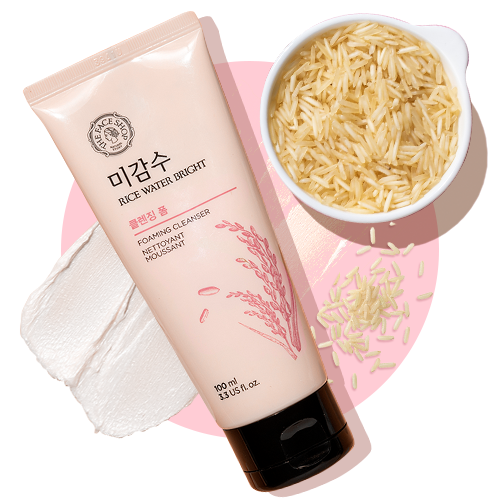
Many Indian users unknowingly use harsh or foaming cleansers that strip the skin barrier, especially after a long day outdoors. Dermatologists recommend switching to gentle, low-pH cleansers that remove dirt without over-drying.
- Check if your skin feels tight after washing - this means your cleanser is too harsh.
- For oily or combination skin, try a charcoal-based cleanser from our Charcoal & Detox Cleanser for Oily Skin collection for deep yet gentle cleansing.
5. Ingredient Mismatches: What Works in Korea May Not Suit Indian Skin
K-Beauty is famous for ingredients like snail mucin, centella, and hyaluronic acid. While these are effective, Indian skin often needs extra support against pigmentation and pollution. Dermatologists suggest looking for products with niacinamide, rice extracts, and ceramides for brightening and barrier repair.
-
Mini-checklist for Indian skin:
- Barrier repair: Ceramides, rice extract
- Hydration: Hyaluronic acid, birch sap
- Brightening: Niacinamide, vitamin C (in stable, gentle forms)
- Always patch test new actives, especially if you have sensitive or reactive skin.
6. Over-Exfoliation: The Hidden Saboteur of Glass Skin
Many Indian users are tempted to use exfoliating acids (AHAs, BHAs) daily, hoping for faster results. Dermatologists warn this can backfire, causing irritation, dark spots, and breakouts - especially on melanin-rich skin, which is more prone to post-inflammatory hyperpigmentation (PIH).
- Limit exfoliation to 1-2 times a week, and always follow with sunscreen.
- For gentle daily exfoliation, consider Tea Tree Toner Pads - they help control oil and refine pores without over-stripping.
7. Sunscreen: The Non-Negotiable Step for Indian Skin
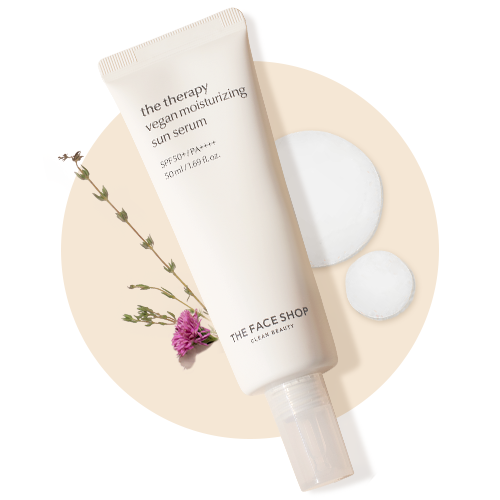
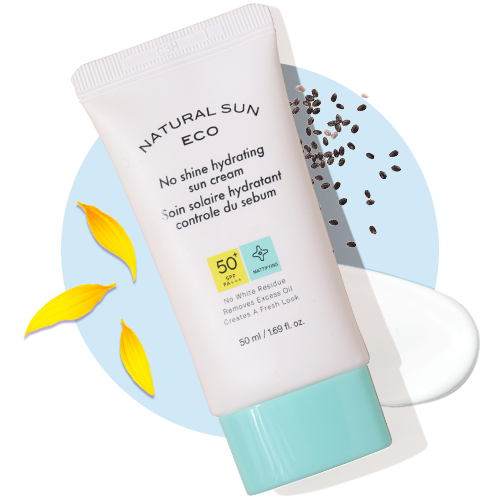
Even the best K-Beauty routine will not deliver glass skin if you skip sunscreen. India’s UV index is among the highest globally, and sun exposure can worsen pigmentation and dullness. Dermatologists stress that sunscreen is the most important step for all Indian skin tones.
- Choose broad-spectrum SPF 30 or higher, and reapply every 2-3 hours if outdoors.
- Look for lightweight, non-greasy formulas that suit Indian humidity.
8. Realistic Results: How Long Does It Take to See ‘Glass Skin’ on Indian Skin?
Social media often shows instant transformations, but dermatologists emphasize that real skin changes take time - especially for Indian skin dealing with pigmentation, pollution, and climate stressors.
- Expect visible improvements in texture and glow within 4-8 weeks of a consistent, gentle routine.
- Track progress with photos and adjust products based on your skin’s feedback.
- For persistent concerns, consult a dermatologist for personalized advice.
9. Building Your India-Friendly Glass Skin Routine: Step-by-Step
Ready to adapt your routine? Here’s a dermatologist-approved, India-specific glass skin routine:
- Gentle Cleanser: Use a low-pH or charcoal-based cleanser morning and night.
- Hydrating Toner: Apply a water-based toner from our Hydrating Toner collection for a plump, dewy base.
- Barrier Repair: Layer a lightweight emulsion or ceramide-rich moisturizer.
- Targeted Serum: Use niacinamide or vitamin C for brightening if needed.
- Sunscreen: Never skip this step during the day.
For best results, choose products designed for Indian skin and climate. The Face Shop offers dermatologist-formulated options for every step.
10. Price vs. Performance: Is K-Beauty Worth It in India?
K-Beauty products in India range from INR 500 to INR 2,500. Dermatologists recommend investing in essentials - like a gentle cleanser, hydrating toner, and barrier-repairing emulsion - rather than buying every trending product. Look for value kits or bundles, such as the Ceramide & Rice Moisturizing Skincare kit, to maximize results without overspending.
- Tip: Prioritize products that suit your skin type and local climate over viral trends.
- Check for offers in our POS B2G1 collection to save on your routine essentials.
FAQ
Why doesn’t my Indian skin look like Korean glass skin even after using K-Beauty products?
Indian skin has higher melanin, faces more sun and pollution, and reflects light differently. Glass skin is about healthy, hydrated skin—not a mirror finish. Focus on even texture and glow, not perfection.
Can I use the same K-Beauty routine in India as shown by Korean influencers?
Not always. India’s climate is hotter and more humid, so heavy creams or too many layers can clog pores. Adapt routines with lightweight, water-based products and always use sunscreen.
How do I know if my skin barrier is damaged?
Signs include tightness, stinging, redness, or sudden breakouts. If you notice these, reduce actives and focus on ceramide-rich, barrier-repairing products.
How long will it take to see results from a glass skin routine on Indian skin?
Visible improvements usually appear in 4-8 weeks with a consistent, gentle routine. Results may vary based on skin type, climate, and sun exposure.
Are K-Beauty products worth the price in India?
Yes, if you invest in essentials like a gentle cleanser, hydrating toner, and barrier-repairing emulsion. Look for value kits and offers to maximize results without overspending.