
Quick Summary
Struggling with redness after your glass skin routine in humid Indian weather? Dermatologists explain why it happens and which K-Beauty ingredients truly soothe and repair sensitive skin.
Dreaming of that luminous, poreless 'glass skin' but ending up with redness or irritation - especially in India's sticky, humid weather? You're not alone. Many Indian skincare enthusiasts find their K-Beauty routines backfire, causing sensitivity instead of glow. Here, dermatologists and ingredient experts break down why this happens and which Korean ingredients can truly help your skin recover.
1. The Glass Skin Dream: Why Redness Happens in Indian Humidity
Glass skin routines often involve multiple steps - cleansing, exfoliating, layering serums, and sealing with moisturisers. But India's high humidity and pollution levels can make skin more reactive. Dermatologists note that:
- Over-cleansing and frequent exfoliation can strip your skin barrier, especially when sweat and pollution already weaken it.
- Heavy layering of products may trap sweat and heat, leading to redness, clogged pores, or even fungal acne.
- Some popular actives (like AHAs, BHAs, or retinol) can be too harsh for sensitive Indian skin in summer.
Counterintuitive fact: Even lightweight serums can irritate if your barrier is compromised. In a 2023 survey by the Indian Association of Dermatologists, over 40% of urban respondents reported increased redness after starting multi-step routines during the monsoon.
2. Understanding the Skin Barrier: Your First Line of Defense
The skin barrier is a protective layer made of lipids, ceramides, and proteins. When healthy, it keeps moisture in and irritants out. In humid Indian cities like Mumbai or Chennai, constant sweating and pollution can:
- Wash away natural oils, making the barrier fragile.
- Increase the risk of irritation from actives or fragrances.
- Lead to redness, stinging, or patchy dryness - even if your skin feels oily.
Dermatologists recommend focusing on barrier repair before chasing glow. Look for signs like tightness, flaking, or sudden sensitivity as clues your barrier needs help.
3. K-Beauty Ingredients That Actually Repair Redness
Not all K-Beauty is created equal. For Indian skin prone to redness, experts recommend these evidence-backed ingredients:
- Centella Asiatica (Cica): Soothes inflammation, speeds up healing, and is gentle enough for sensitive skin. Studies show it reduces redness by up to 30% in two weeks.
- Panthenol (Vitamin B5): Deeply hydrates and calms irritation. Works well in humid climates without feeling greasy.
- Ceramides: Restore the skin barrier, locking in moisture and preventing further redness. Essential for anyone using actives or exfoliants.
- Rice Extract: Brightens and hydrates, with a long history in Asian skincare for calming sensitivity.
For best results, choose fragrance-free and alcohol-free formulas. Avoid essential oils, which can trigger reactions in humidity.
4. How to Choose Cleansers and Moisturisers That Won't Trigger Redness
In India, the wrong cleanser or moisturiser can undo all your hard work. Here’s how to pick wisely:
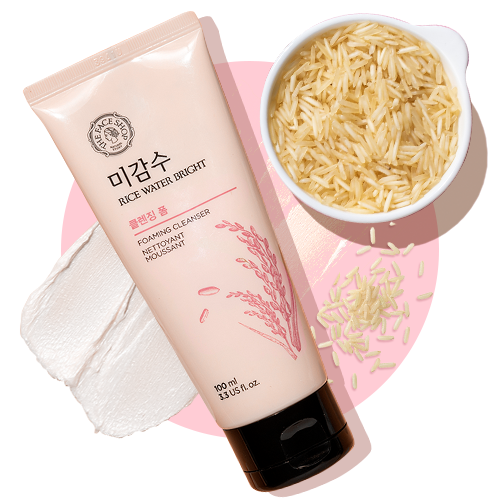
- Cleansers: Opt for low pH, sulfate-free formulas. The Rice Water Bright Cleansing Foam from The Face Shop is gentle, brightening, and suitable for sensitive skin.
- Moisturisers: Lightweight creams with ceramides and rice extract are ideal. The Ceramide & Rice Moisturizing Cream delivers barrier repair without heaviness, making it perfect for humid weather.
Pro tip: Always patch test new products, especially if your skin is already red or irritated.
5. Emulsion vs. Cream: Which Is Better for Glass Skin in Humid Indian Weather?
Many Indians wonder whether to use an emulsion or a cream. Here’s a quick comparison:
| Emulsion | Cream |
|---|---|
| Lightweight, water-based, absorbs quickly | Richer, more occlusive, seals in moisture |
| Ideal for oily/combination skin in humidity | Best for dry or barrier-compromised skin |
| Less likely to clog pores | Can feel heavy if over-applied in summer |
Expert tip: If your skin is red and sensitive, start with an emulsion and layer a small amount of cream only on dry patches. This prevents overheating and congestion in Indian weather.
6. Ingredient Spotlights: Centella Asiatica, Panthenol, and Ceramides
Let’s break down why these ingredients are dermatologist favorites for Indian skin:
- Centella Asiatica: Contains madecassoside and asiaticoside, which calm inflammation and support healing. In Indian clinical trials, cica creams reduced redness and itching in eczema-prone patients by over 25%.
- Panthenol: At 2-5% concentration, it strengthens the barrier and reduces water loss. Especially helpful after sun exposure or exfoliation.
- Ceramides: Essential for rebuilding the lipid matrix. The Ceramide & Rice Moisturizing Skincare kit offers a complete routine for barrier repair at an accessible INR price point.
Look for products that combine these ingredients for maximum soothing and repair.
7. Avoiding Common Triggers: Fragrance, Alcohol, and Over-Exfoliation
Even the best K-Beauty formulas can cause problems if they contain:
- Fragrance: A top cause of redness, especially in hot, humid weather.
- Alcohol denat: Can dry out and irritate sensitive skin.
- Over-exfoliation: Using AHAs, BHAs, or scrubs more than twice a week can break down your barrier.
Check ingredient lists and stick to gentle, hydrating products. If you must exfoliate, use a mild formula and follow with a ceramide-rich moisturiser.
8. Building a Redness-Repairing Routine: A Step-by-Step Guide
Here’s a dermatologist-approved routine for Indian humidity:
- Cleanse: Use a gentle, low pH cleanser like Rice Water Bright Cleansing Foam.
- Tone: Apply a hydrating, alcohol-free toner (see Hydrating Toner collection for options).
- Treat: Layer a serum with Centella Asiatica or Panthenol.
- Moisturise: Use a ceramide-rich cream or emulsion. Try the Ceramide & Rice Moisturizing Cream for INR-friendly barrier repair.
- Protect: Always finish with sunscreen, even on cloudy days.
Mini-checklist for humid weather:
- Patch test new products
- Use lightweight layers
- Limit actives to 1-2 times a week
- Reapply sunscreen every 2-3 hours outdoors
9. When to See a Dermatologist: Red Flags and Limitations
If redness persists for more than two weeks, or if you notice swelling, burning, or pus, consult a dermatologist. Some conditions (like rosacea or fungal acne) need prescription treatment. While K-Beauty ingredients can help most mild cases, severe or persistent redness may signal an underlying issue.
10. Making K-Beauty Work for Indian Skin: Smart Shopping and INR Value
With so many options, how do you choose? Look for:
- Products with transparent ingredient lists
- INR-friendly kits, like the Ceramide & Rice Moisturizing Skincare kit, which offers full routines at better value than buying items separately
- Fragrance-free and alcohol-free formulas
- Trusted retailers with clear return policies
Remember, the best routine is one you can stick to. Start simple, listen to your skin, and upgrade as needed.
FAQ
Why does my skin get red after following a glass skin routine in India?
High humidity, pollution, and overuse of actives can weaken your skin barrier, making it prone to redness and irritation. Layering too many products or using harsh exfoliants amplifies this effect in Indian weather.
Which K-Beauty ingredients are best for repairing redness and sensitivity?
Centella Asiatica, Panthenol (Vitamin B5), and Ceramides are top choices. They soothe inflammation, hydrate deeply, and rebuild the skin barrier—ideal for Indian skin prone to redness.
Should I use an emulsion or a cream for glass skin in humid Indian weather?
Emulsions are lighter and better for oily or combination skin in humidity. Creams are more suitable for dry or barrier-compromised skin, but use sparingly to avoid heaviness.
How can I prevent redness when trying K-Beauty routines in India?
Use gentle, fragrance-free products, limit exfoliation to once or twice a week, and patch test new items. Focus on barrier repair with ceramides and soothing ingredients.
When should I see a dermatologist for skin redness?
If redness lasts more than two weeks, or if you notice swelling, burning, or pus, consult a dermatologist. Persistent redness may indicate an underlying skin condition.