
Quick Summary
Indian skin that's sensitive and redness-prone can still achieve the coveted 'glass skin' look. Dermatologists explain how to use K-Beauty actives safely, layer products, and soothe irritation in India's humid climate.
Dreaming of that luminous, poreless 'glass skin' glow, but worried your sensitive, redness-prone Indian skin will react to potent K-Beauty actives? You're not alone. Many Indian consumers want the radiance of Korean skincare but hesitate to use strong ingredients, especially in our humid, pollution-heavy climate. We asked dermatologists and K-Beauty experts to answer your top questions, so you can make informed, confident choices for your skin.
What Exactly Is 'Glass Skin' - and Is It Realistic for Sensitive Indian Skin?
'Glass skin' refers to a complexion that's smooth, intensely hydrated, and almost translucent - like glass. While this look is achievable for many, Indian skin often faces unique challenges: higher melanin, increased risk of post-inflammatory hyperpigmentation, and a tendency toward sensitivity or redness, especially in cities with high pollution or hard water.
- Fact: Over 30% of Indian urban adults report skin sensitivity, according to a 2022 survey by the Indian Association of Dermatologists.
- Expert tip: Glass skin is about healthy, hydrated skin - not perfection. For sensitive skin, the goal is calm, even-toned radiance, not aggressive exfoliation.
Are K-Beauty Actives Safe for Sensitive, Redness-Prone Indian Skin?
Many K-Beauty actives - like niacinamide, centella asiatica (cica), and snail mucin - are known for their soothing and barrier-repairing properties. However, ingredients like AHAs, BHAs, and retinoids can trigger irritation, especially in humid Indian weather where sweat and pollution increase sensitivity.
- Choose actives with proven calming effects, such as centella asiatica and ceramides.
- Start with low concentrations (e.g., 2-5% niacinamide) and patch test before full application.
- Limit exfoliating acids to once a week, and always follow with a barrier-repairing moisturizer.
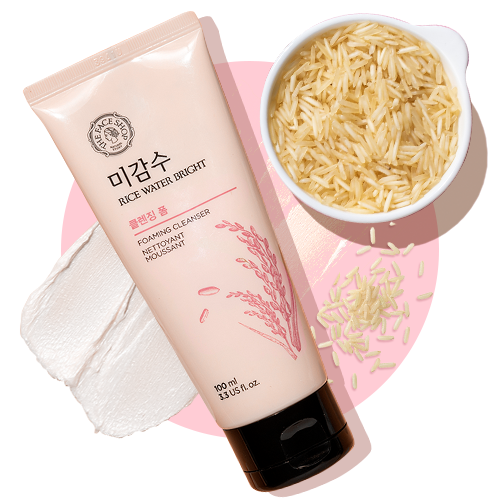
For a gentle start, try a hydrating cleanser like Rice Water Bright Cleansing Foam and layer with a ceramide-rich emulsion such as Ceramide & Rice Lightweight Emulsion for Barrier Repair.
How Should I Layer Actives for Sensitive Skin in India's Humid Climate?
Layering is key in K-Beauty, but for sensitive Indian skin, less is more. Humidity can make skin more reactive, so focus on lightweight, non-comedogenic formulas.
- Cleanse: Use a gentle, non-stripping cleanser to remove sweat, oil, and pollution.
- Tone: Apply a hydrating, alcohol-free toner to prep and soothe.
- Treat: Use a single active (like niacinamide or cica serum) at night, not multiple actives together.
- Moisturize: Lock in hydration with a lightweight emulsion or gel-cream.
- Protect: Finish with a broad-spectrum sunscreen every morning, even indoors.
Mini-checklist for layering in Indian weather:
- Wait 1-2 minutes between layers for better absorption.
- Skip heavy oils or occlusives if you live in a coastal or humid city.
- Introduce one new product at a time to monitor reactions.
Which Actives Are Best - and Which to Avoid - for Redness-Prone Indian Skin?
Not all actives are created equal for sensitive, redness-prone skin. Dermatologists recommend:
- Best for soothing and barrier repair: Centella asiatica (cica), panthenol, madecassoside, ceramides, snail mucin, and low-dose niacinamide.
- Use with caution: AHAs (glycolic, lactic acid), BHAs (salicylic acid), and retinoids. These can worsen redness if overused or layered incorrectly.
- Pro tip: Always patch test new actives behind your ear or on your jawline for 48 hours.
Indian skin is more prone to pigmentation after irritation, so gentle actives are crucial for long-term glow.
How Can I Soothe and Strengthen My Skin Barrier After Using Actives?
Barrier repair is the foundation of any glass skin routine, especially for sensitive types. In India's climate, pollution and hard water can weaken your skin barrier, making it more reactive to actives.
- Look for products with ceramides, rice extract, and panthenol to replenish lost moisture.
- Apply a calming toner after cleansing - see options in our Hydrating Toner collection.
- Use a lightweight emulsion like Ceramide & Rice Lightweight Emulsion for Barrier Repair to seal in hydration without heaviness.
Tip: If you notice stinging, tightness, or increased redness, pause actives and focus on barrier repair for at least one week.
What Are the Most Common Mistakes Indians Make with K-Beauty Actives?
Even the best products can backfire if used incorrectly. Dermatologists see these mistakes often:
- Over-exfoliating: Using acids daily or combining multiple actives leads to irritation and pigmentation.
- Skipping sunscreen: Sun exposure after actives increases redness and dark spots, especially on Indian skin tones.
- Ignoring patch tests: Sensitive skin needs extra caution - always test before full use.
- Layering too many products: Stick to 3-4 steps for best results in humid weather.
Remember, consistency and patience are more important than chasing quick results.
How Can I Tell If My Skin Is Reacting Badly to Actives?
Signs of irritation include:
- Persistent redness or flushing
- Stinging or burning sensation
- Peeling, dryness, or rough patches
- Sudden breakouts or bumps
If you notice these, stop all actives immediately and switch to a gentle, hydrating routine. Consult a dermatologist if symptoms persist for more than a week.
How Much Should I Budget for a Sensitive Skin Glass Skin Routine in India?
Building a gentle, effective routine doesn't have to break the bank. Many K-Beauty essentials are available in India for INR 500–1500 per product. For example:
- Rice Water Bright Cleansing Foam (INR 650–800): Gentle, brightening cleanser for daily use.
- Ceramide & Rice Lightweight Emulsion (INR 1200–1400): Soothes and repairs the barrier without heaviness.
- Hydrating Toner (INR 900–1200): Calms and preps sensitive skin for actives.
Pro tip: Watch for bundle offers to maximize value without compromising on quality.
Can I Achieve Glass Skin Without Any Actives?
Absolutely. While actives can speed up results, a consistent routine focused on gentle cleansing, hydration, and sun protection can deliver a healthy, radiant glow over time. For extremely sensitive or allergy-prone skin, stick to fragrance-free, minimal-ingredient products and consult a dermatologist before adding actives.
Key Takeaways: Your Sensitive Skin Glass Skin Routine Checklist
- Prioritize barrier repair and hydration over aggressive exfoliation.
- Choose actives like centella, ceramides, and low-dose niacinamide for redness-prone skin.
- Layer products lightly and introduce one new product at a time.
- Always patch test and use sunscreen daily.
- Budget INR 500–1500 per step for quality, gentle K-Beauty essentials in India.
FAQs: Sensitive Skin and Glass Skin in India
- 1. Can I use vitamin C serums if my skin is sensitive and gets red easily?
- Yes, but choose low-concentration (5-10%) formulas and patch test first. Avoid using vitamin C with exfoliating acids or retinoids on the same day.
- 2. How often should I exfoliate if I have sensitive, redness-prone skin?
- Limit exfoliation to once a week with a gentle, non-abrasive formula. Over-exfoliation can worsen redness and sensitivity.
- 3. Are fragrance-free products always better for sensitive Indian skin?
- Fragrance-free is generally safer, but some natural extracts can still cause reactions. Always check the full ingredient list and patch test.
- 4. Is it safe to use K-Beauty actives during the Indian summer and monsoon?
- Yes, but stick to lightweight, non-comedogenic products and avoid layering too many actives. Humidity can increase sensitivity.
- 5. What should I do if my skin reacts badly to a new active?
- Stop using all actives, switch to a gentle routine, and consult a dermatologist if irritation persists beyond a week.
FAQ
Can I use vitamin C serums if my skin is sensitive and gets red easily?
Yes, but choose low-concentration (5-10%) formulas and patch test first. Avoid using vitamin C with exfoliating acids or retinoids on the same day.
How often should I exfoliate if I have sensitive, redness-prone skin?
Limit exfoliation to once a week with a gentle, non-abrasive formula. Over-exfoliation can worsen redness and sensitivity.
Are fragrance-free products always better for sensitive Indian skin?
Fragrance-free is generally safer, but some natural extracts can still cause reactions. Always check the full ingredient list and patch test.
Is it safe to use K-Beauty actives during the Indian summer and monsoon?
Yes, but stick to lightweight, non-comedogenic products and avoid layering too many actives. Humidity can increase sensitivity.
What should I do if my skin reacts badly to a new active?
Stop using all actives, switch to a gentle routine, and consult a dermatologist if irritation persists beyond a week.