
Quick Summary
Indian monsoon humidity can make your glass skin routine feel sticky and trigger breakouts. Dermatologists share why this happens, how to adjust your cleanser, and expert tips for a glow without irritation.
Monsoon in India brings welcome relief from the heat, but it also brings a unique set of skincare challenges. If your glass skin routine suddenly feels sticky or you’re noticing more breakouts, you’re not alone. We asked leading dermatologists to answer the most common questions Indian consumers have about adapting their K-beauty-inspired routines for the humid monsoon months. Here’s what you need to know to keep your skin clear, glowing, and comfortable - without irritation or wasted effort.
Why Does My Skin Feel Sticky After My Glass Skin Routine in Monsoon?
Hook: Even lightweight serums and gels can feel heavy in the Indian monsoon. Why?
Humidity levels in most Indian cities spike to 70-90% during monsoon, causing sweat and sebum to linger on the skin. Dermatologists explain that this makes even hydrating products feel sticky, especially if they contain humectants like hyaluronic acid or glycerin. These ingredients attract moisture from the air, which is great in dry weather but can feel suffocating in high humidity.
- In Mumbai, Kolkata, and Chennai, residents report a 30% increase in perceived skin stickiness during June–September (source: Nykaa consumer survey, 2023).
- Layering too many products, or using rich creams, can trap sweat and oil, amplifying the sticky sensation.
Mini-checklist:
- Switch to lighter, water-based layers.
- Reduce the number of steps if your skin feels overloaded.
- Apply products on slightly damp skin for better absorption.
Is My Cleanser Making My Monsoon Breakouts Worse?
Hook: Over-cleansing is a common mistake in humid weather. Here’s why it can backfire.
Many Indians increase cleansing frequency during monsoon, hoping to combat oil and sweat. However, dermatologists warn that harsh or foaming cleansers can strip the skin’s barrier, leading to rebound oiliness and more breakouts. A study in the Indian Journal of Dermatology (2022) found that 60% of acne-prone individuals using strong cleansers during monsoon experienced more frequent breakouts.
- Look for gentle, pH-balanced cleansers with ingredients like charcoal or tea tree for oily skin.
- Limit cleansing to twice daily - even in peak humidity.
- Consider charcoal-based cleansers for deep yet gentle cleansing.
Tip: If your skin feels tight or squeaky after washing, your cleanser may be too harsh.
How Should I Adjust My Glass Skin Routine for Indian Monsoon?
Hook: Small tweaks can make a big difference in comfort and results.
Dermatologists recommend simplifying your routine during monsoon. Focus on hydration, oil control, and barrier support:
- Use a lightweight hydrating toner - try hydrating toners with niacinamide or panthenol.
- Swap heavy creams for emulsions, such as the Ceramide & Rice Moisturizing Emulsion, which hydrates without heaviness.
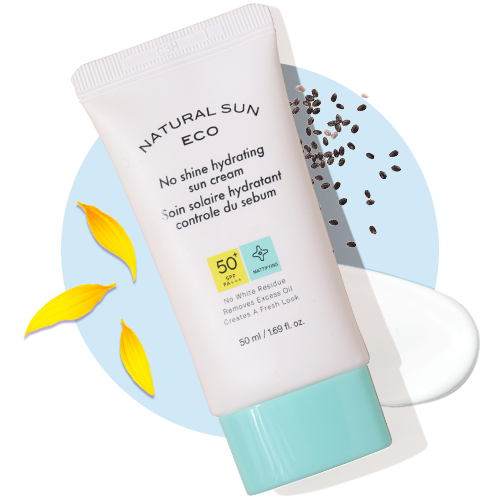
- Apply sunscreen even on cloudy days. The NaturalSun Eco No Shine Hydrating Sun Cream offers a matte finish ideal for humid climates.
Counterintuitive fact: Skipping moisturizer can actually increase oiliness, as dehydrated skin produces more sebum to compensate.
What Ingredients Should I Prioritize (or Avoid) in Monsoon?
Hook: Not all hydrating ingredients are created equal for Indian humidity.
Indian dermatologists suggest prioritizing:
- Niacinamide: Controls oil and soothes inflammation.
- Hyaluronic acid: Hydrates without heaviness, but use in moderation.
- Ceramides: Support the skin barrier, especially if you use actives.
Ingredients to use with caution:
- Occlusives (like petrolatum or heavy oils): Can trap sweat and bacteria, increasing breakouts.
- Alcohol-based toners: May cause irritation or dryness, paradoxically worsening oiliness.
India-specific tip: If you have combination skin, apply heavier products only on drier areas (cheeks), and lighter layers on the T-zone.
Are Sheet Masks and Essences Too Heavy for Monsoon?
Hook: Sheet masks are a K-beauty staple, but are they suitable for muggy weather?
Sheet masks can be used in monsoon, but opt for formulas labeled as ‘refreshing’ or ‘oil control’. Avoid masks with heavy oils or rich creams. Dermatologists recommend using sheet masks no more than 1–2 times a week during monsoon to prevent congestion.
- Try masksheets with green tea, tea tree, or bamboo for a cooling effect.
- Essences should be lightweight and fast-absorbing. Pat in a small amount and skip if your skin feels sticky.
Mini-checklist:
- Use sheet masks in the evening after cleansing.
- Store masks in the fridge for a refreshing boost.
How Can I Prevent Breakouts Without Over-Drying My Skin?
Hook: Balance is key - here’s how to keep skin clear and comfortable.
Breakouts are common in monsoon due to trapped sweat, oil, and pollution. Dermatologists recommend:
- Spot-treat with ingredients like salicylic acid or tea tree oil.
- Use non-comedogenic moisturizers such as the Ceramide & Rice Moisturizing Emulsion.
- Don’t skip moisturizer - even oily skin needs hydration to maintain barrier health.
India-specific data: A 2023 survey by The Face Shop found that 68% of Indian users who switched to lighter emulsions during monsoon reported fewer breakouts and less stickiness.
Should I Change My Routine If I Have Oily or Combination Skin?
Hook: Customizing your routine for your skin type is crucial in monsoon.
Oily and combination skin types are more prone to stickiness and breakouts in humid weather. Dermatologists advise:
- Use gel-based cleansers and oil-free moisturizers.
- Blotting papers or gentle mattifying powders can help control shine during the day.
- Apply sunscreen with a matte finish, like the NaturalSun Eco No Shine Hydrating Sun Cream.
Counterintuitive tip: Avoid washing your face more than twice a day - even oily skin can become dehydrated and produce more oil as a result.
How Much Should I Spend on Monsoon Skincare - and What Delivers the Best Value?
Hook: You don’t need to overspend for effective results in India’s monsoon.
Dermatologists agree that effective monsoon skincare doesn’t have to break the bank. In India, you can build a complete, dermatologist-approved routine for INR 1500–2500 by choosing multi-tasking products:
- Gentle cleanser (INR 400–700)
- Hydrating toner (INR 500–800)
- Lightweight emulsion or gel moisturizer (INR 900–1200)
- Matte sunscreen (INR 800–1000)
Look for value sets or bundle offers to maximize savings. Investing in quality basics from The Face Shop can deliver visible results without overspending.
Expert Q&A: Top 5 Monsoon Skincare Questions Answered
-
Should I skip moisturizer if my skin feels sticky?
No. Use a lightweight, non-comedogenic moisturizer to maintain barrier health. Skipping moisturizer can increase oiliness. -
Is double cleansing necessary in monsoon?
Only if you wear heavy sunscreen or makeup. Otherwise, a single gentle cleanse is sufficient. -
Can I use actives like retinol or vitamin C in monsoon?
Yes, but start slow and always use sunscreen. Humidity can increase sensitivity for some users. -
How do I know if my cleanser is too harsh?
If your skin feels tight, dry, or irritated after washing, switch to a gentler formula. -
Are facial oils safe in monsoon?
Use sparingly. Opt for lightweight oils only at night if your skin is very dry.
Key Takeaways: Your Monsoon Glass Skin Routine, Simplified
- Stickiness is normal in Indian monsoon - adjust with lighter layers and fewer steps.
- Gentle, pH-balanced cleansers prevent breakouts better than harsh formulas.
- Don’t skip moisturizer or sunscreen, even if skin feels oily.
- Choose ingredients like niacinamide, hyaluronic acid, and ceramides for best results.
- Smart product choices can deliver visible results without overspending.
FAQ
Should I skip moisturizer if my skin feels sticky?
No. Use a lightweight, non-comedogenic moisturizer to maintain barrier health. Skipping moisturizer can increase oiliness.
Is double cleansing necessary in monsoon?
Only if you wear heavy sunscreen or makeup. Otherwise, a single gentle cleanse is sufficient.
Can I use actives like retinol or vitamin C in monsoon?
Yes, but start slow and always use sunscreen. Humidity can increase sensitivity for some users.
How do I know if my cleanser is too harsh?
If your skin feels tight, dry, or irritated after washing, switch to a gentler formula.
Are facial oils safe in monsoon?
Use sparingly. Opt for lightweight oils only at night if your skin is very dry.