
Quick Summary
Discover why Indian skin develops uneven tone and dark spots in summer, and how K-beauty secrets like rice water and vitamin C can help you achieve spotless, radiant glass skin.
Dreaming of that luminous, poreless 'glass skin' but finding your complexion looks patchy or dull as soon as summer hits? If you're in India, you're not alone. The combination of intense sun, humidity, and pollution can sabotage even the best skincare routines. But there's good news: K-beauty offers science-backed solutions tailored for Indian skin's unique needs. Let's decode why uneven tone and dark spots are so common - and how you can achieve that coveted, radiant glow.
1. The Indian Summer Skin Dilemma: Why Pigmentation Gets Worse
Indian summers bring soaring temperatures and relentless UV exposure. Melanin-rich Indian skin is naturally more prone to pigmentation, and the sun's rays trigger even more melanin production. This means:
- Dark spots and uneven patches often appear or worsen, especially on cheeks and forehead.
- Pollution particles stick to sweaty skin, leading to clogged pores and dullness.
- Humidity can increase oiliness, making spots look more prominent.
According to a 2023 survey by the Indian Association of Dermatologists, over 60% of urban Indian women cite pigmentation as their top summer skin concern. The challenge? Most traditional routines don't address both sun-induced and pollution-related pigmentation.
2. What Is 'Glass Skin' - And Why Is It So Hard to Achieve in India?
'Glass skin' is a K-beauty term for skin that's clear, even-toned, and almost translucent with hydration. But in India, achieving this look is tricky because:
- Heat and humidity can cause dehydration and excess oil, leading to patchiness.
- Frequent sun exposure deepens existing spots and triggers new ones.
- Many products leave a white cast or feel too heavy for Indian summers.
But here's a counterintuitive fact: Hydration is just as important as sun protection for preventing pigmentation. Dehydrated skin is more likely to develop uneven tone.
3. The Science Behind Dark Spots: Why Indian Skin Needs Special Care
Indian skin has more active melanocytes (pigment cells) than lighter skin types. This is protective, but it also means:
- Even minor sun exposure can cause visible spots.
- Post-acne marks linger longer due to higher melanin response.
- Pollution and heat can trigger inflammation, worsening pigmentation.
Dermatologists recommend a routine that combines antioxidants, gentle exfoliation, and targeted brightening ingredients - exactly what K-beauty excels at.
4. K-Beauty’s Secret Weapons: Rice Water, Vitamin C, and More
Korean skincare is famous for gentle, effective ingredients that target pigmentation without harshness. For Indian skin, the most effective include:
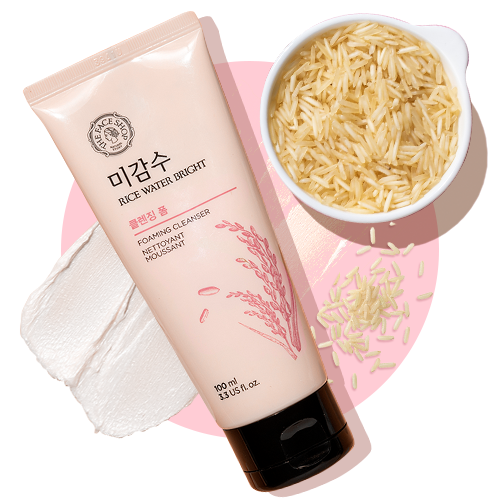
- Rice water: Used for centuries in Asia, it brightens and soothes. The Face Shop's Rice Water Bright Cleansing Oil is a cult favorite for dissolving pollution and prepping skin for treatment.
- Vitamin C: Fights sun damage and fades spots. Look for stabilized forms for Indian heat.
- Niacinamide: Reduces inflammation and evens tone without irritation.
- Alpha arbutin and licorice extract: Target stubborn pigmentation gently.
Pro tip: Layering these ingredients, rather than using a single 'miracle' product, delivers the best results in India's climate.
5. Building a Glass Skin Routine for Indian Summers: Step-by-Step
Ready to start? Here’s a practical, evidence-led routine tailored for Indian skin:
- Double cleanse: Start with an oil cleanser like The Face Shop's Rice Water Bright Cleansing Oil, followed by a gentle foaming cleanser. This removes sunscreen, sweat, and pollution.
- Exfoliate (2-3 times/week): Use a mild BHA or AHA to clear dead skin and prevent clogged pores. Avoid harsh scrubs that can worsen pigmentation.
- Hydrating toner/essence: Look for hyaluronic acid or fermented ingredients to replenish moisture lost in the heat.
- Targeted serum: Apply vitamin C or niacinamide serum to fade spots and boost radiance.
- Lightweight moisturizer: Gel-based creams suit humid Indian weather. For value, explore options in the 2 at 799 collection.
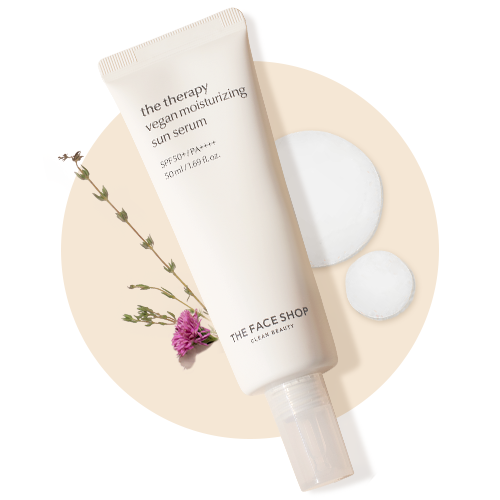
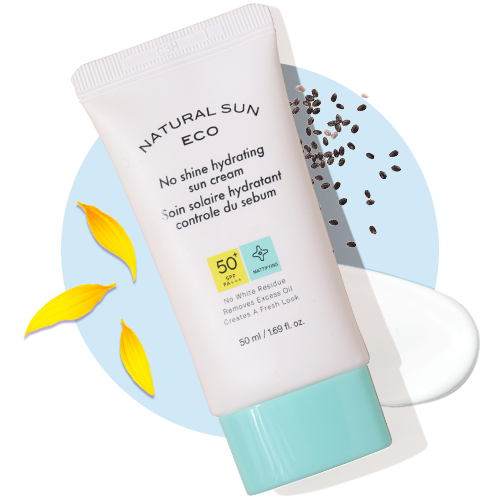
- Broad-spectrum sunscreen: SPF 50, non-comedogenic, and no white cast. Reapply every 2-3 hours outdoors.
Mini-checklist for summer:
- Always remove sunscreen thoroughly at night.
- Patch test new actives to avoid irritation.
- Adjust moisturizer texture based on your region’s humidity.
6. Ingredient Spotlight: Why Rice Water Is a Game-Changer for Indian Skin
Rice water is rich in amino acids and antioxidants. Studies show it can:
- Brighten dull skin and reduce the appearance of dark spots.
- Calm inflammation from heat and pollution.
- Support the skin barrier, crucial for Indian summers.
Unlike some harsh brighteners, rice water is gentle enough for daily use - even on sensitive skin. For best results, use it as a first cleanse or in a toner step.
7. Vitamin C in the Indian Context: What Actually Works?
Vitamin C is a gold-standard brightener, but not all formulas suit Indian summers. Look for:
- Stable forms (like ascorbyl glucoside) that resist oxidation in heat.
- Lightweight, non-sticky textures that layer well under sunscreen.
- Packaging that protects from light and air - essential in India’s climate.
Evidence from Indian dermatology clinics shows that consistent vitamin C use can reduce pigmentation by up to 30% over 12 weeks. However, always pair with sunscreen for maximum effect.
8. Cost vs. Results: Are K-Beauty Products Worth It in India?
Many Indian consumers worry about the price of imported skincare. Here’s what to consider:
- Value for money: K-beauty products often last longer due to concentrated formulas. For example, a 150ml bottle of cleansing oil (around INR 900-1200) can last 2-3 months.
- Results: Gentle actives mean less risk of irritation, so you’re less likely to waste money on products that don’t suit your skin.
- Accessibility: With collections like 2 at 799, you can try multiple products without overspending.
Trade-off: While initial costs may be higher than local drugstore options, the visible improvement in tone and texture often justifies the investment for those struggling with stubborn pigmentation.
9. Common Mistakes to Avoid for Spotless Summer Skin
- Skipping sunscreen on cloudy days - UV rays penetrate clouds and glass.
- Over-exfoliating, which can inflame skin and worsen dark spots.
- Using heavy creams that clog pores in humid weather.
- Not patch testing new actives, leading to unexpected reactions.
Remember: Consistency and patience are key. Most brightening routines show visible results in 8-12 weeks.
10. Real Results: What to Expect (and What Not to)
With a tailored K-beauty routine, you can expect:
- Gradual fading of dark spots and more even tone.
- Smoother, hydrated skin with a natural glow.
- Less irritation and fewer breakouts compared to harsher regimens.
Limitations: Genetics, hormonal changes, and deep-set pigmentation may require professional treatments. Always consult a dermatologist if spots persist or worsen.
FAQ
How long does it take to see results from a K-beauty routine for dark spots?
Most users notice visible improvement in 8-12 weeks with consistent use of targeted products and sunscreen.
Can I use rice water and vitamin C together?
Yes, rice water can be used as a cleanser or toner before applying vitamin C serum. Always follow with sunscreen in the morning.
Are K-beauty products suitable for sensitive Indian skin?
Most are formulated to be gentle, but always patch test new products to avoid irritation, especially in summer.
Is sunscreen really necessary indoors?
Yes, UV rays penetrate windows. Daily sunscreen is crucial for preventing pigmentation, even indoors.
What’s the best way to layer products in humid Indian weather?
Use lightweight, water-based layers: cleanser, toner, serum, gel moisturizer, then sunscreen. Avoid heavy creams during peak humidity.