
Quick Summary
Struggling with uneven skin tone and dark spots despite a glass skin routine? Discover the real reasons Indian skin faces these issues and how K-beauty can help you achieve a truly luminous, spotless complexion.
Dreaming of that luminous, poreless 'glass skin' look but still battling stubborn dark spots and uneven tone? You're not alone. Many Indians follow multi-step routines yet find their complexion lacks that truly even, radiant finish. Let's uncover the real reasons - and how K-beauty can help you finally achieve the spotless glow you want.
What Does 'Glass Skin' Really Mean for Indian Skin?
'Glass skin' is more than just a trend - it's a skincare philosophy focused on clarity, hydration, and a healthy, even glow. But for Indian skin, which is naturally rich in melanin and exposed to unique environmental stressors, achieving this look comes with extra challenges. Indian skin is more prone to post-inflammatory hyperpigmentation (PIH), uneven tone, and dark spots, especially after acne or sun exposure. This means your glass skin journey needs a tailored approach.
- Fact: Studies show Indian skin is 2-4 times more likely to develop PIH than lighter skin tones (NCBI).
- Tip: Focus on gentle brightening, barrier repair, and consistent sun protection for best results.
Pollution: The Invisible Saboteur of Even Skin Tone
India's urban air quality is among the world's most challenging. Pollution particles can penetrate the skin barrier, causing oxidative stress, inflammation, and triggering melanin production. This leads to dullness, patchiness, and stubborn dark spots - making glass skin seem out of reach.
- Counterintuitive fact: Even indoor pollution (from cooking or incense) can worsen uneven tone.
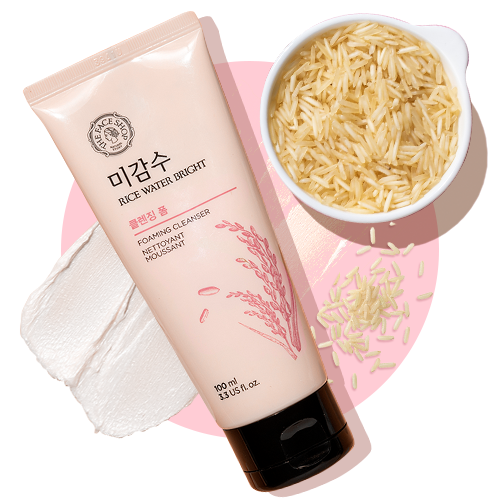
- Routine tip: Use antioxidant-rich cleansers like Rice Water Bright Cleansing Foam to gently remove pollutants without stripping your skin.
Sun Exposure: The #1 Cause of Dark Spots in India
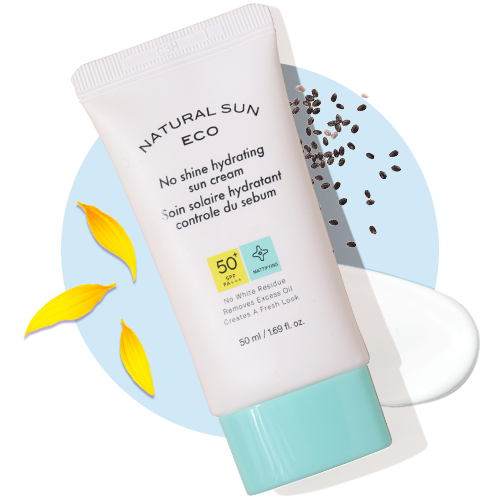
UV rays are the top trigger for pigmentation and uneven skin tone in Indian climates. Even short periods outdoors can activate melanin, especially if you have a history of acne or inflammation. Many Indians skip sunscreen due to stickiness or white cast, but this leaves skin vulnerable to new spots and unevenness.
- Data point: Over 80% of visible skin aging and pigmentation in India is linked to sun exposure (NCBI).
- Checklist: Choose lightweight, non-greasy sunscreens and reapply every 2-3 hours, especially if commuting or working near windows.
Post-Inflammatory Hyperpigmentation: Why Spots Linger After Pimples
Ever notice that even after a pimple heals, a dark mark remains for weeks or months? This is PIH - when skin produces extra pigment as it heals from inflammation. Indian skin is especially prone to PIH, making it a major barrier to a spotless glass skin look.
- Mini-guide: Avoid picking or scrubbing blemishes. Instead, use gentle brightening serums like White Seed Brightening Serum to fade marks over time.
- Limitation: PIH can take 3-6 months to fade, even with the best products. Consistency is key.
Barrier Damage: The Hidden Reason Your Tone Isn’t Evening Out
Over-exfoliation, harsh cleansers, and skipping moisturizer can weaken your skin barrier. When the barrier is compromised, skin becomes more reactive, leading to redness, patchiness, and uneven tone. In India's humid summers and dry winters, barrier health is often overlooked.
- Practical tip: Switch to barrier-repairing moisturizers like Ceramide & Rice Lightweight Emulsion for daily hydration without heaviness.
- Checklist: Avoid alcohol-heavy toners and limit physical scrubs to once a week at most.
Ingredient Spotlight: K-Beauty’s Brightening Heroes for Indian Skin
K-beauty is celebrated for its gentle yet effective approach to brightening and evening out skin tone. Key ingredients to look for:
- Rice Extract: Naturally brightens and soothes, ideal for daily use in cleansers and emulsions.
- Niacinamide: Reduces dark spots and strengthens the barrier - look for it in serums and moisturizers.
- Vitamin C: Fights pigmentation but can be irritating; start with lower concentrations and always use sunscreen.
- Licorice Root & White Seed Complex: Gentle, plant-based brighteners found in White Seed Brightening Serum.
Always patch test new actives, especially if you have sensitive or reactive skin.
Routine Guide: Layering for a Spotless, Even Glow
Here’s a sample K-beauty routine tailored for Indian skin struggling with uneven tone:
- Cleanse: Use Rice Water Bright Cleansing Foam to remove dirt and pollution.
- Tone: Opt for alcohol-free, hydrating toners with niacinamide.
- Treat: Apply White Seed Brightening Serum to target dark spots and uneven tone.
- Moisturize: Lock in hydration with Ceramide & Rice Lightweight Emulsion.
- Protect: Finish with a broad-spectrum sunscreen, even indoors.
For best results, maintain this routine daily and adjust products seasonally.
INR Value Guide: Investing in Spotless Skin
Achieving glass skin doesn’t require breaking the bank. Many K-beauty essentials are available in India at accessible price points:
- Rice Water Bright Cleansing Foam: Around INR 650 for 100ml - lasts 2-3 months with daily use.
- White Seed Brightening Serum: INR 1,690 for 30ml - targeted treatment for stubborn spots.
- Ceramide & Rice Lightweight Emulsion: INR 990 for 150ml - lightweight hydration for all seasons.
Look for bundle offers in collections like 2 at 799 to maximize value.
Common Mistakes: Why Your Glass Skin Routine May Backfire
Even the best products can’t deliver if common pitfalls are ignored:
- Skipping sunscreen or not reapplying during the day
- Overusing exfoliants, leading to irritation and rebound pigmentation
- Ignoring barrier repair, especially after active treatments
- Switching products too frequently - give each step at least 4-6 weeks
Patience and consistency are your best friends on the journey to even, luminous skin.
When to See a Dermatologist: Knowing Your Limits
If you’ve followed a gentle, brightening routine for 3-6 months with little improvement, or if you notice rapidly spreading pigmentation, consult a dermatologist. Some forms of pigmentation (like melasma or hormonal spots) require prescription treatments or in-clinic procedures.
- Trust cue: Professional guidance ensures you don’t waste money or risk irritation with the wrong products.
Key Takeaways: Your Path to Spotless Glass Skin
- Indian skin faces unique challenges - pollution, sun, and PIH are major culprits behind uneven tone.
- K-beauty routines, with a focus on gentle brightening and barrier repair, are effective for Indian skin.
- Choose products with proven ingredients like rice extract, niacinamide, and licorice root.
- Consistency, sun protection, and patience are essential for visible results.
- Shop smart - look for value bundles and invest in multi-tasking products.
FAQ
Why does Indian skin develop dark spots so easily?
Indian skin contains more melanin, which protects against sun damage but also makes it more prone to hyperpigmentation and dark spots, especially after inflammation or sun exposure.
Can K-beauty routines really help with uneven skin tone in India?
Yes, K-beauty routines emphasize gentle brightening, barrier repair, and hydration, which are effective for Indian skin's unique needs. Consistency and sun protection are key.
How long does it take to see results from brightening products?
Most users notice improvement in 4-8 weeks, but stubborn pigmentation like PIH may take 3-6 months to fade. Patience and daily routine are essential.
Is it necessary to use sunscreen indoors in India?
Yes, UV rays can penetrate windows and contribute to pigmentation. Daily sunscreen use, even indoors, is recommended for best results.
What should I do if my dark spots are not improving?
If you see little improvement after 3-6 months of consistent care, consult a dermatologist. Some pigmentation types require prescription treatments or in-clinic procedures.