
Quick Summary
Discover why Indian skin gets oily and dull during monsoon and how K-Beauty routines can help you achieve a radiant, glass skin glow. Practical, evidence-based tips for lasting results.
Every year, as the monsoon clouds roll in, countless Indians notice a frustrating shift: skin that feels greasy yet looks lacklustre. If you’re tired of battling both excess oil and dullness, you’re not alone. This guide uncovers the real science behind these changes and reveals how a K-Beauty-inspired routine can help you achieve the coveted 'glass skin' glow, even in peak humidity.
Why Does Indian Skin Become Oily and Dull During Monsoon?
Monsoon brings soaring humidity, which triggers your skin’s sebaceous glands to produce more oil. But here’s the twist: while your face looks shiny, it can also appear dull. This is because:
- Excess oil traps dead skin cells and pollutants, leading to clogged pores and a lacklustre complexion.
- Frequent rain and sweat wash away natural moisturizing factors, causing dehydration beneath the oily surface.
- Indian skin, rich in melanin, is more prone to post-inflammatory hyperpigmentation and uneven tone when exposed to humidity and pollution.
According to a 2022 survey by Nykaa, over 60% of urban Indian consumers reported increased oiliness and dullness during monsoon months, especially in cities like Mumbai, Chennai, and Kolkata.
Common Mistakes in Monsoon Skincare (And How to Avoid Them)
Many Indians unknowingly worsen their skin issues during monsoon by:
- Over-cleansing: Stripping the skin with harsh face washes can increase oil production.
- Skipping moisturizer: Oily skin still needs hydration, especially in humid weather.
- Neglecting sunscreen: UV rays penetrate clouds, and skipping SPF can worsen pigmentation and dullness.
Mini-checklist:
- Use a gentle, pH-balanced cleanser.
- Opt for lightweight, non-comedogenic moisturizers.
- Apply broad-spectrum sunscreen daily, even indoors.
The Science: How Humidity Affects Indian Skin Physiology
Humidity increases sebum (oil) production, but it also disrupts the skin barrier. For Indian skin types, this means:
- More visible pores and shine, especially in the T-zone.
- Higher risk of fungal acne due to moisture-loving microbes.
- Dehydration beneath the oily layer, leading to a tight or rough feel.
Dermatologists in India note that monsoon-related skin issues are not just about oil - they’re about imbalance. Addressing both oil control and hydration is key.
K-Beauty’s 'Glass Skin' Philosophy: Why It Works for Indian Monsoon
K-Beauty routines focus on gentle cleansing, layering hydration, and using targeted actives. This approach is ideal for Indian monsoon because:
- It emphasizes water-based, lightweight products that hydrate without clogging pores.
- Ingredients like niacinamide, hyaluronic acid, and green tea help control oil, soothe inflammation, and brighten skin.
- The routine can be customized for different levels of oiliness or acne severity.
For example, a simplified 4-step routine (cleanse, tone, treat, protect) is practical for busy Indian lifestyles and delivers visible results.
Step-by-Step: The Ultimate Monsoon Skincare Routine for Oily, Dull Indian Skin
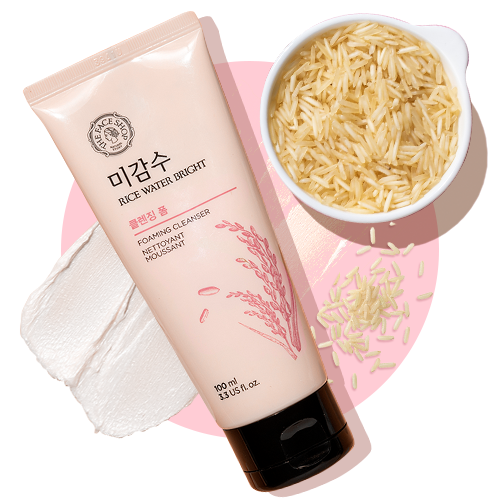
- Cleanse: Use a gentle foaming cleanser like Rice Water Bright Cleansing Foam to remove excess oil and pollutants without stripping skin.
- Tone: Apply a hydrating toner with ingredients like glycerin or green tea to balance pH and prep skin for actives. Explore options in our Hydrating Toner collection.
- Treat: Use a lightweight serum with niacinamide or hyaluronic acid to target dullness and dehydration. For acne-prone skin, look for products with salicylic acid or tea tree.
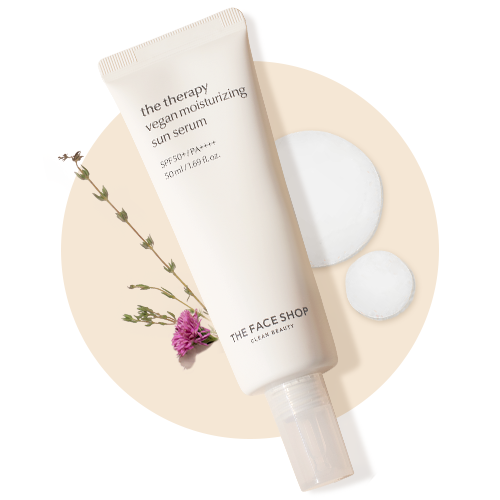
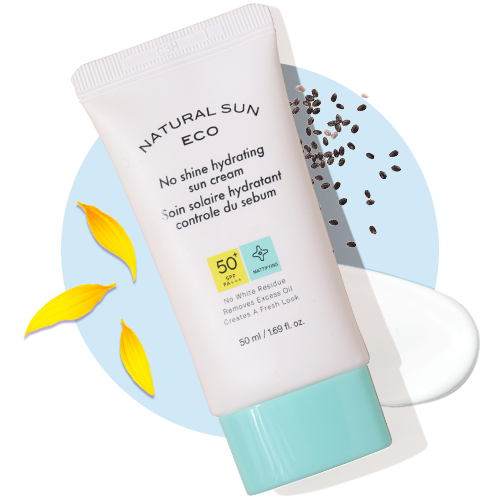
- Protect: Finish with a non-greasy sunscreen like NaturalSun Eco No Shine Hydrating Sun Cream to prevent UV-induced pigmentation and further dullness.
Tip: For very oily skin, consider double cleansing at night with a gentle oil cleanser followed by a foaming wash.
Ingredient Spotlight: What to Look for (and What to Avoid) in Monsoon
- Must-haves: Hyaluronic acid, niacinamide, green tea, glycerin, and salicylic acid.
- Skip: Heavy oils, thick creams, and alcohol-based toners that can clog pores or strip skin.
Niacinamide (Vitamin B3) is especially effective for Indian skin - it controls oil, fades dark spots, and strengthens the barrier. Hyaluronic acid hydrates deeply without adding grease, making it ideal for humid climates.
Real-World Example: INR-Friendly K-Beauty Routine for Indian Budgets
Achieving glass skin doesn’t have to break the bank. Here’s a sample routine with estimated costs:
- Cleanser: Rice Water Bright Cleansing Foam (approx. ₹650 for 150 ml, lasts 2-3 months)
- Toner: Hydrating Toner (from ₹700, lasts 2 months)
- Serum: Look for niacinamide or hyaluronic acid serums (₹800-₹1200, 1-2 months)
- Sunscreen: NaturalSun Eco No Shine Hydrating Sun Cream (₹999, 1 month)
For those with very oily skin, explore the Charcoal & Detox Cleanser for Oily Skin collection for deeper cleansing options.
Adapting Your Routine: Tips for Different Levels of Oiliness and Acne
Not all oily skin is the same. Here’s how to tweak your routine:
- Very oily or acne-prone: Use a clay or charcoal cleanser 2-3 times a week. Spot-treat with salicylic acid.
- Moderate oiliness: Stick to gel-based moisturizers and avoid layering too many products.
- Sensitive or combination skin: Patch-test new actives and introduce one product at a time.
Remember, consistency is key. Results typically show in 2-4 weeks with regular use.
Long-Term Maintenance: Lifestyle and Habits for Lasting Glow
- Stay hydrated - aim for 2-3 litres of water daily, especially in humid weather.
- Eat antioxidant-rich foods (fruits, leafy greens) to support skin health.
- Change pillowcases and face towels frequently to prevent bacterial buildup.
- Avoid touching your face and keep your phone screen clean.
These small habits, combined with a tailored skincare routine, can help you maintain your glass skin glow all season.
When to See a Dermatologist: Knowing Your Limits
If you experience severe acne, persistent irritation, or sudden pigmentation changes, consult a certified dermatologist. Some skin issues may require prescription treatments or professional guidance. Always patch-test new products and introduce actives gradually.
Key Takeaways: Your Monsoon Glow-Getter Checklist
- Oily and dull skin in Indian monsoon is caused by humidity-driven oil production and hidden dehydration.
- A K-Beauty-inspired routine with gentle cleansing, hydration, and targeted actives can restore glow.
- Choose lightweight, INR-friendly products tailored for Indian skin and climate.
- Consistency, lifestyle tweaks, and sun protection are essential for lasting results.
- When in doubt, seek expert advice for persistent or severe skin concerns.
FAQ
Why does my skin feel oily but look dull during the monsoon?
Humidity triggers excess oil production, but also causes dehydration beneath the surface. This combination traps dead skin cells and pollutants, making skin appear shiny yet lacklustre.
Can I skip moisturizer if my skin is oily in humid weather?
No. Even oily skin needs hydration, especially in humidity. Use a lightweight, non-comedogenic moisturizer to prevent dehydration and balance oil production.
What ingredients should I look for in monsoon skincare products?
Focus on hyaluronic acid, niacinamide, green tea, glycerin, and salicylic acid. Avoid heavy oils, thick creams, and alcohol-based toners.
How often should I cleanse my face during monsoon?
Twice daily is ideal. For very oily skin, consider double cleansing at night with an oil cleanser followed by a gentle foaming wash.
Is sunscreen necessary during monsoon in India?
Absolutely. UV rays penetrate clouds and can worsen pigmentation and dullness. Use a broad-spectrum, non-greasy sunscreen daily.