
Quick Summary
Discover why sun spots linger on Indian skin despite your best efforts, and learn which K-beauty actives and routines can visibly fade stubborn pigmentation in India's climate.
Have you ever wondered why, despite using brightening creams and sunscreen, those stubborn sun spots and dark patches just won’t budge? If you live in India, you’re not alone. The unique combination of intense UV exposure, humidity, and pollution makes fading sun spots on Indian skin especially challenging. But there’s good news: Korean skincare science offers targeted solutions that actually work for our climate and skin types.
Why Sun Spots Are So Stubborn in Indian Weather
Sun spots, also known as hyperpigmentation or age spots, are caused by excess melanin production triggered by UV rays. In India, the situation is compounded by:
- High UV Index: Most Indian cities experience UV levels above 8 for much of the year, leading to deeper, more persistent pigmentation.
- Humidity and Sweat: Excess moisture can break down sunscreen faster, reducing its protective effect and allowing more UV-induced damage.
- Air Pollution: Studies from the Indian Journal of Dermatology show that particulate matter increases oxidative stress, worsening dark spots.
Even with regular sunscreen, these factors mean Indian skin needs extra help to fade sun spots. The usual brightening creams may not be enough.
The Overlooked Culprit: Damaged Skin Barrier
Many Indians unknowingly have a compromised skin barrier due to harsh cleansers, over-exfoliation, or environmental stress. When your barrier is weak, skin becomes more sensitive to UV and less able to repair pigmentation. Signs include dryness, tightness, or stinging after washing your face.
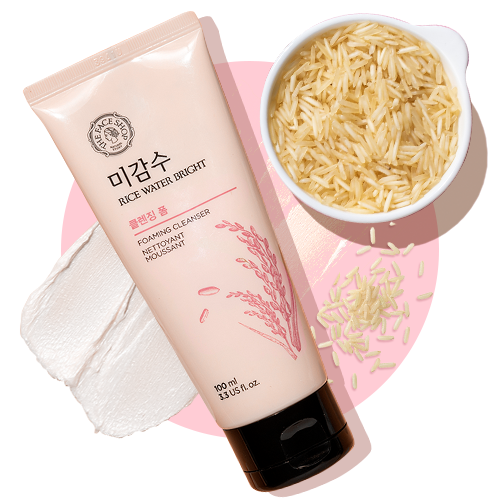
Quick check: If your skin feels rough or irritated after cleansing, it’s time to switch to a gentler routine. Consider using the Rice Water Bright Cleansing Foam for a mild, non-stripping cleanse.
Why Typical Brightening Creams Fall Short in India
Many over-the-counter creams in India rely on hydroquinone or high-dose vitamin C. While these can help, they often:
- Cause irritation in humid, polluted environments
- Lose potency quickly due to heat and light exposure
- Don’t address underlying inflammation or barrier damage
Instead, K-beauty actives focus on gentle, multi-step routines that strengthen skin while fading spots - ideal for Indian weather.
Meet the K-Beauty Actives Proven to Fade Sun Spots
Korean skincare is rooted in layering lightweight, effective ingredients. The following actives are especially suited for Indian skin:
- Niacinamide: Reduces melanin transfer, brightens uneven tone, and calms inflammation. Clinical studies show visible fading of dark spots in 8-12 weeks.
- Rice Extract: A traditional Asian remedy, rice water is rich in antioxidants and amino acids. It gently brightens and soothes, making it perfect for sensitive Indian skin. Try the Rice Water Bright Light Cleansing Oil for double cleansing.
- PHA (Polyhydroxy Acids): Milder than AHAs/BHAs, PHAs exfoliate without irritation, ideal for humid Indian summers.
- Centella Asiatica: Repairs skin barrier and reduces post-inflammatory pigmentation, common after acne or rashes.
These actives are often found in Korean serums and emulsions, designed for layering and compatibility with Indian weather.
Routine Guide: How to Layer K-Beauty for Fading Sun Spots
Consistency is key. Here’s a sample routine tailored for Indian skin:
- Gentle Cleanser: Start with a mild cleanser like Rice Water Bright Cleansing Foam to remove sweat and pollution without stripping.
- Hydrating Toner: Look for formulas with niacinamide or rice extract to prep skin for actives.
- Targeted Serum: Apply a serum with niacinamide or PHAs. Layering is safe; just introduce one new active at a time.
- Barrier-Repair Emulsion: Lock in moisture and strengthen your skin with Ceramide & Rice Lightweight Emulsion.
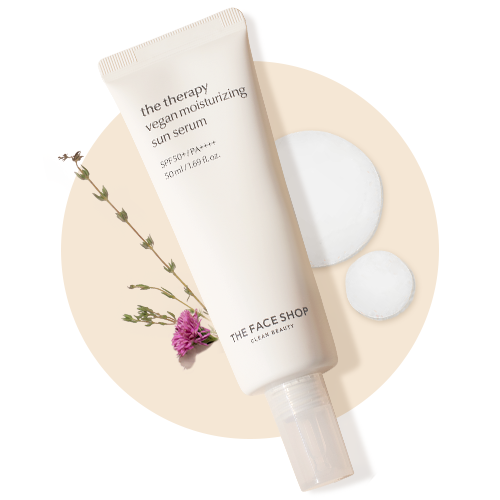
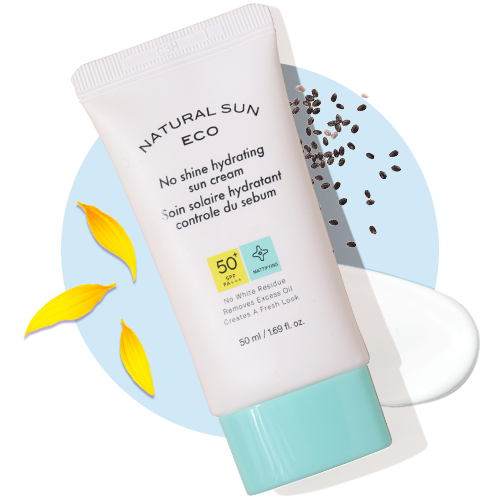
- Broad-Spectrum Sunscreen: Reapply every 2-3 hours, especially if outdoors or sweating.
Tip: Patch test new products, especially if you have sensitive skin or are prone to irritation.
Trade-Offs: K-Beauty vs. Traditional Indian Remedies
Many Indian households use lemon juice, turmeric, or sandalwood for pigmentation. While these can offer mild brightening, they often:
- Cause irritation or allergic reactions, especially lemon on sun-exposed skin
- Work slowly compared to clinically tested actives
- Are difficult to standardize for consistent results
K-beauty actives are formulated for safety, stability, and visible results - often within 2-3 months. However, they require consistent use and sun protection for best results.
How to Choose the Right K-Beauty Products in India
With so many options, focus on:
- Ingredient List: Look for niacinamide, rice extract, PHAs, and centella in the top five ingredients.
- Texture: Lightweight gels and emulsions suit humid Indian weather and prevent clogged pores.
- Value for Money: Many K-beauty products last 2-3 months. For example, a 150ml emulsion can cost between INR 900 and INR 1,500, but delivers visible results with daily use.
- Authenticity: Buy from trusted retailers to avoid counterfeit products.
Check out the 2 at 799 collection for value bundles tailored to Indian skin needs.
Common Mistakes That Slow Down Fading
Even with the right actives, results can stall if you:
- Skip sunscreen or don’t reapply during the day
- Over-exfoliate, causing irritation and rebound pigmentation
- Layer too many new actives at once, leading to sensitivity
- Neglect hydration, which is crucial for even skin tone
Stick to a simple, consistent routine and adjust based on how your skin responds.
What to Expect: Realistic Timelines and Limitations
Fading sun spots is a marathon, not a sprint. Most users in India see visible improvement in 8-12 weeks with daily use of K-beauty actives and strict sun protection. However:
- Very deep or old pigmentation may require dermatologist treatments (like chemical peels or lasers)
- Results vary based on genetics, skin type, and lifestyle
- Maintenance is key - stop using actives or sunscreen, and spots may return
Always consult a dermatologist if you have rapidly changing spots or new growths.
Next Steps: Building Your Spot-Fading Routine
Ready to start? Here’s a mini-checklist:
- Switch to a gentle, hydrating cleanser
- Add a niacinamide or rice extract serum
- Use a barrier-repair emulsion daily
- Never skip sunscreen, even indoors
- Track your progress with monthly photos
Explore New B2g1 offers for the latest K-beauty launches suited for Indian skin.
Conclusion: Brighter Skin Is Possible in Indian Weather
While Indian weather and pollution make sun spots more stubborn, the right K-beauty actives and routines can deliver visible, lasting results. Focus on gentle, barrier-supporting products and consistent sun protection. With patience and the right choices, you can achieve a more even, radiant complexion - no matter the season.
FAQ
Why do my sun spots take so long to fade in India?
High UV exposure, humidity, and pollution in India make pigmentation deeper and more persistent. A damaged skin barrier and inconsistent sun protection also slow down fading.
Which K-beauty ingredients are best for fading dark spots on Indian skin?
Niacinamide, rice extract, PHAs, and centella asiatica are gentle, clinically proven actives that suit Indian skin and climate.
How long does it take to see results with K-beauty routines?
Most people notice visible fading of sun spots in 8-12 weeks with daily use of actives and strict sun protection.
Can I use traditional Indian remedies with K-beauty products?
You can, but be cautious. Some home remedies like lemon can irritate skin, especially when combined with actives. Always patch test and avoid mixing harsh ingredients.
What should I do if my dark spots are not improving?
If you see no improvement after 3 months of consistent routine, consult a dermatologist. Some deep pigmentation may need professional treatments.