
Quick Summary
Discover how hyaluronic acid in K-beauty routines delivers glass skin hydration without stickiness, even in India's humid climate. Learn science-backed tips, product picks, and practical routines.
Dreaming of that luminous, poreless 'glass skin' look but worried about sticky, heavy products in India's humid weather? You're not alone. The answer lies in a superstar K-beauty ingredient: hyaluronic acid. This guide unpacks how hyaluronic acid works, why it's ideal for Indian climates, and how to use it for hydrated, glowing skin - without the dreaded stickiness.
Why 'Glass Skin' Is More Than Just a Trend in India
'Glass skin' - a term made famous by K-beauty - refers to skin that's so clear, smooth, and hydrated it almost looks reflective. While the trend started in Korea, it's resonated deeply with Indian skincare enthusiasts. Why? Because Indian skin often faces a unique mix of dehydration, humidity, and pollution. Achieving glass skin here means finding hydration that feels weightless, not greasy or sticky.
- Fact: Over 60% of Indian consumers report increased oiliness and stickiness during monsoon and summer months (source: Nykaa consumer survey, 2023).
- Glass skin routines focus on deep hydration and barrier repair - two needs that Indian skin shares with Korean skin, but with added climate challenges.
What Makes Hyaluronic Acid a K-Beauty Staple?
Hyaluronic acid (HA) is a naturally occurring molecule in our skin that can hold up to 1000 times its weight in water. In K-beauty, it's prized for its ability to deliver intense hydration without heaviness. Unlike traditional creams that can feel suffocating in Indian humidity, HA-based products absorb quickly and leave a fresh finish.
- HA is a humectant, meaning it draws moisture into the skin from the environment and deeper layers.
- K-beauty formulations often use multiple molecular weights of HA for layered hydration - ideal for India's variable weather.
- Clinical studies (see: NCBI) show HA improves skin elasticity and reduces fine lines with regular use.
Sticky Skin in Indian Humidity: The Real Challenge
Many Indians avoid hydrating serums and creams fearing they'll feel sticky or clog pores, especially in coastal cities like Mumbai or Chennai. But dehydration can actually trigger more oil production, making skin look dull and greasy.
- Counterintuitive fact: Oily skin can still be dehydrated. When skin lacks water, it compensates by producing more oil.
- Traditional heavy creams can trap sweat and sebum, worsening breakouts in humid weather.
- K-beauty hyaluronic acid serums are typically water-light, fast-absorbing, and non-comedogenic - perfect for Indian summers.
How K-Beauty Formulations Solve the Stickiness Problem
K-beauty brands, including The Face Shop, have mastered the art of layering hydration. Their hyaluronic acid products often combine:
- Low and high molecular weight HA for both surface and deep hydration
- Lightweight gel or essence textures that absorb instantly
- Soothing botanicals like rice extract and centella asiatica to calm and balance
For example, The Face Shop's Ceramide & Rice Moisturizing Cream uses both HA and rice ceramides for a non-sticky, barrier-boosting finish. Many Indian users report it feels "like water on the skin" - even in peak humidity.
Routine Guide: Achieving Glass Skin Hydration in India
Ready to build your own non-sticky, glass skin routine? Here’s a step-by-step guide tailored for Indian weather:
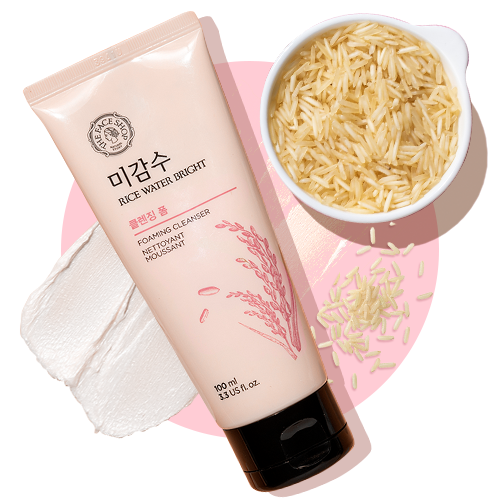
- Gentle Cleanse: Use a mild, non-stripping cleanser like Rice Water Bright Cleansing Foam to remove sweat and pollution without drying out your skin.
- Hydrating Toner/Essence: Apply a watery toner with HA and soothing extracts. Pat in for better absorption.
- Hyaluronic Acid Serum: Choose a serum with multi-weight HA. Apply to damp skin for best results.
- Lightweight Moisturizer: Lock in hydration with a gel-cream or emulsion. Try The Face Shop's Ceramide & Rice Moisturizing Cream for a non-greasy finish.
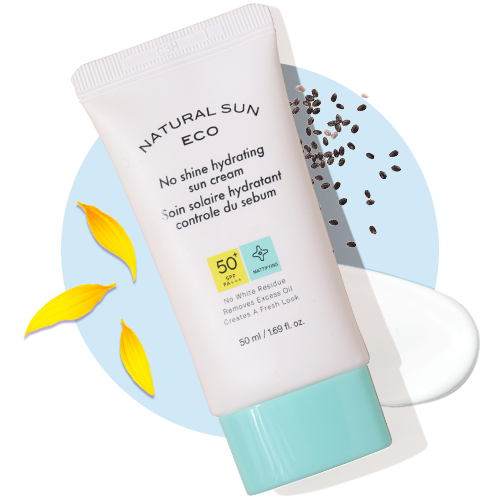
- Sunscreen: Always finish with a broad-spectrum sunscreen, even indoors, to protect your glow.
Mini-checklist for humid days:
- Layer thin, water-based products
- Avoid heavy oils or occlusives in the day
- Reapply sunscreen every 2-3 hours if outdoors
Comparing K-Beauty Hydration to Traditional Indian Moisturizers
Traditional Indian moisturizers often rely on rich oils or butters, which can feel heavy in hot, humid weather. K-beauty’s HA-based products offer:
- Faster absorption - no greasy residue
- Layering flexibility - customize hydration for your skin’s needs
- Non-comedogenic formulas - less risk of breakouts
While traditional creams may suit dry winters or mature skin, HA serums and gel-creams excel in Indian summers and for oily or combination skin types. For those on a budget, many K-beauty HA serums are available in India for under INR 1000, making them accessible for most routines.
How to Maximize Hyaluronic Acid Benefits in Indian Weather
To get the most from your HA products, follow these India-specific tips:
- Apply HA serums to slightly damp skin - this helps lock in more moisture.
- Seal with a lightweight moisturizer to prevent water loss, especially if you use AC or live in dry regions.
- During monsoon, avoid layering too many products to prevent congestion.
- For dry skin, consider pairing HA with ceramides or peptides. Explore peptide serums for extra barrier support.
Limitation: In extremely dry climates (like Delhi winters), HA alone may not be enough - pair it with richer creams at night.
India-Specific Results: What to Expect (and What Not To)
With consistent use, most Indian users report:
- Plumper, smoother skin within 2 weeks
- Reduced dullness and dehydration lines
- Less oiliness and fewer breakouts due to balanced hydration
However, HA is not a cure-all. It won’t fade deep pigmentation or replace sunscreen. For brightening, consider layering with a Vitamin C serum or using targeted treatments.
Choosing the Right Hyaluronic Acid Product for Your Skin Type
Not all HA products are created equal. Here’s how to choose for Indian skin:
- Oily/Combination: Go for water-light serums and gel creams.
- Dry/Sensitive: Look for HA paired with ceramides or rice extracts for extra comfort.
- Budget: Many K-beauty HA serums are available in India for INR 700–1500. Prioritize ingredient lists over fancy packaging.
Always patch test new products, especially if you have reactive skin or allergies.
FAQs: Hyaluronic Acid and Glass Skin in Indian Humidity
-
Can hyaluronic acid make my skin sticky in humid Indian weather?
Not if you choose lightweight, K-beauty style formulations. These are designed to absorb quickly and leave no residue. -
Is hyaluronic acid safe for sensitive Indian skin?
Yes, HA is generally non-irritating. Choose fragrance-free options if you have sensitive or allergy-prone skin. -
How often should I use hyaluronic acid in my routine?
HA serums can be used twice daily, morning and night, for best results. -
Can I use hyaluronic acid with other actives like Vitamin C?
Absolutely. HA pairs well with Vitamin C, peptides, and ceramides. Just layer HA before heavier serums or creams. -
Do I need to spend a lot for good hyaluronic acid products in India?
No. Many effective K-beauty HA serums are available for INR 700–1500. Focus on ingredient quality and reviews.
FAQ
Can hyaluronic acid make my skin sticky in humid Indian weather?
Not if you choose lightweight, K-beauty style formulations. These are designed to absorb quickly and leave no residue.
Is hyaluronic acid safe for sensitive Indian skin?
Yes, HA is generally non-irritating. Choose fragrance-free options if you have sensitive or allergy-prone skin.
How often should I use hyaluronic acid in my routine?
HA serums can be used twice daily, morning and night, for best results.
Can I use hyaluronic acid with other actives like Vitamin C?
Absolutely. HA pairs well with Vitamin C, peptides, and ceramides. Just layer HA before heavier serums or creams.
Do I need to spend a lot for good hyaluronic acid products in India?
No. Many effective K-beauty HA serums are available for INR 700–1500. Focus on ingredient quality and reviews.