
Quick Summary
Confused about K-Beauty actives for 'Glass Skin'? Discover how to choose the right ingredients for Indian skin, climate, and concerns. Get expert-backed, practical tips and a smart buying checklist.
Dreaming of the luminous, poreless 'Glass Skin' look? If you've tried K-Beauty products but feel underwhelmed, you're not alone. Many Indian shoppers buy into the hype without understanding which actives truly deliver results for our unique skin tones, climate, and concerns. This guide demystifies K-Beauty actives, explains what works (and why), and arms you with a smart buying checklist - so you can shop smarter, not harder.
1. Why 'Glass Skin' Means Something Different in India
In Korea, 'Glass Skin' is all about a translucent, hydrated, and even-toned complexion. But Indian skin faces extra hurdles: higher melanin, humidity, pollution, and sun exposure. These factors mean that what works in Seoul may not always suit Mumbai or Chennai. For example, heavy occlusive creams can clog pores in humid Indian summers, while strong exfoliants may trigger pigmentation on deeper skin tones. Understanding these differences is step one to making actives work for you.
- Fact: Indian skin (Fitzpatrick types III-V) is more prone to post-inflammatory hyperpigmentation (PIH) and uneven tone than lighter skin types.
- Tip: Prioritize actives that target dullness, texture, and pigmentation - without risking irritation or over-exfoliation.
2. The K-Beauty Actives That Actually Work for Indian Skin
Not all actives are created equal, especially for Indian skin. Here are the most effective, evidence-backed ingredients to look for:
- Niacinamide: Brightens, controls oil, and reduces dark spots. Safe for daily use, even on sensitive skin.
- Peptides: Support skin barrier and boost firmness - ideal for early signs of aging.
- Ginseng Extract: Antioxidant-rich and energizing, helps with dullness and environmental stress.
- Gentle Exfoliants (AHAs/PHAs): Lactic acid and gluconolactone smooth texture without harshness. Avoid high-strength glycolic acid if you have deeper skin tones or sensitivity.
- Rice Extract: Traditional in both K-Beauty and Indian routines, it soothes and brightens without irritation.
For a curated selection, explore our Shop All collection, which features actives tailored for Indian skin needs.
3. How to Match Actives to Your Skin Concerns
Choosing the right active starts with knowing your main concern. Here’s a quick guide:
- Dullness & Uneven Tone: Niacinamide, rice extract, and vitamin C derivatives.
- Texture & Large Pores: PHAs (gentler than AHAs), niacinamide, and peptides.
- Early Aging: Peptides, ginseng, and ceramides for barrier support.
- Minor Breakouts: Niacinamide and low-strength BHA (salicylic acid) for oil control.
Remember, more is not always better. Over-layering actives can backfire, especially in hot, humid Indian weather.
4. Ingredient Myths Busted: What Indian Shoppers Get Wrong
There’s a lot of misinformation about actives in India. Let’s clear up a few:
-
Myth: “Actives will lighten my natural skin tone.”
Fact: Actives like niacinamide and vitamin C even out uneven tone and fade dark spots, but won’t bleach your skin. -
Myth: “Natural ingredients are always safer.”
Fact: Many natural extracts can irritate sensitive Indian skin. Lab-tested actives are often safer and more effective. -
Myth: “More actives = faster results.”
Fact: Layering too many actives can cause irritation and worsen pigmentation, especially in our climate.
5. How Indian Climate and Lifestyle Affect Your Results
India’s climate is diverse - what works in Delhi’s dry winters may not suit Kerala’s monsoon. Pollution, sweat, and frequent sun exposure all impact how actives perform. For example:
- Humid Regions: Choose lightweight, non-comedogenic serums and emulsions. Heavy creams can trap sweat and clog pores.
- Dry/AC Environments: Layer hydrating toners and ceramide-rich moisturizers to prevent dehydration.
- Polluted Cities: Antioxidant-rich actives like ginseng and niacinamide help combat free radical damage.
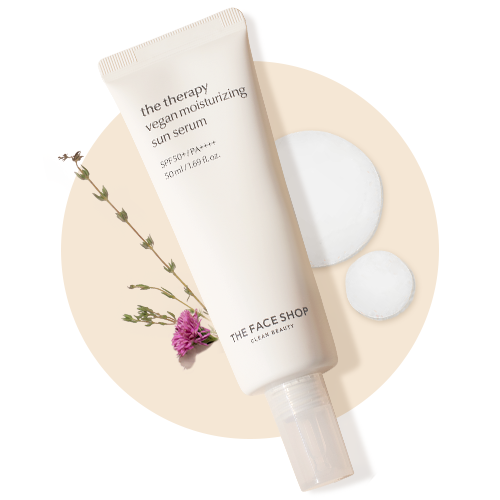
Always finish with sunscreen during the day - actives make skin more sensitive to UV rays, and skipping SPF can undo your progress.
6. Smart Buying Checklist: How to Shop for K-Beauty Actives in India
Before you add to cart, run through this India-specific checklist:
- Check ingredient concentrations - look for niacinamide (2-5%), peptides (listed in top 10 ingredients), and gentle exfoliants (AHA/PHA below 5%).
- Read reviews from Indian users - see how the product performs in our climate and on deeper skin tones.
- Compare INR price per ml/g - sometimes smaller sizes offer better value for beginners.
- Look for fragrance-free or low-fragrance options if you have sensitive skin.
- Buy from trusted stores like The Face Shop to ensure authenticity and freshness.
For trial sizes and value deals, check our Trial Store and BOGO offers.
7. How to Introduce Actives Safely: A Beginner’s Routine
Jumping into actives can overwhelm your skin. Here’s a gentle, stepwise approach:
- Patch test: Apply a small amount behind your ear or on your jawline for 3 days.
- Start slow: Use 2-3 times a week, then increase frequency as tolerated.
- Layer wisely: Avoid mixing strong acids and vitamin C in the same routine. Pair niacinamide with peptides or rice extract for a balanced effect.
- Monitor skin: Watch for redness, stinging, or new pigmentation. If these occur, stop and consult a dermatologist.
- Always apply sunscreen: Especially when using brightening or exfoliating actives.
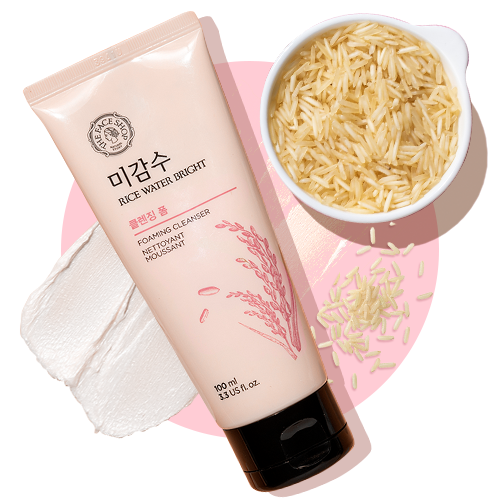
For a gentle cleanse, try Rice Water Bright Cleansing Foam - a K-Beauty staple that suits most Indian skin types.
8. Traditional Wisdom Meets Modern Actives: Can They Coexist?
Many Indian consumers use home remedies like turmeric masks or sandalwood paste. While these can soothe skin, they may not address deeper concerns like pigmentation or texture. The good news: you can combine traditional and modern approaches - just avoid using strong actives immediately after potent home remedies to prevent irritation.
- Use gentle actives (like rice extract or peptides) on alternate days with traditional masks.
- Always patch test new combinations.
- Consult a dermatologist if you have persistent pigmentation or sensitivity.
Modern K-Beauty actives offer targeted, clinically tested solutions - making them a smart upgrade for Indian routines seeking real 'Glass Skin' results.
9. Realistic Expectations: How Long Until You See Results?
Patience is key. Most actives take 4-8 weeks to show visible improvement, especially for concerns like dark spots or uneven texture. Consistency, gentle layering, and sun protection are your best friends. If you don’t see results after 3 months, or if irritation occurs, seek professional advice.
- Pro tip: Take before-and-after photos in natural light to track progress.
- Remember: 'Glass Skin' is about healthy, hydrated skin - not instant perfection.
FAQ
Which K-Beauty actives are best for Indian skin with pigmentation?
Niacinamide, vitamin C derivatives, and rice extract are top choices for fading pigmentation on Indian skin. They brighten without causing irritation or bleaching. Always use sunscreen to prevent further darkening.
Can I use K-Beauty actives with traditional Indian home remedies?
Yes, but avoid using strong actives immediately after potent home remedies like turmeric or sandalwood. Alternate days and always patch test to prevent irritation.
How do I know if a K-Beauty product is suitable for Indian climate?
Look for lightweight, non-comedogenic formulas for humid regions and hydrating, ceramide-rich products for dry or AC environments. Reading reviews from Indian users helps gauge real-world performance.
How long does it take to see results from K-Beauty actives?
Most actives show visible improvement in 4-8 weeks with consistent use. For stubborn pigmentation or texture, it may take up to 3 months. Patience and sun protection are key.
Is it safe to layer multiple K-Beauty actives?
Layering is safe if you avoid combining strong acids and vitamin C in the same routine. Start with one active, introduce others gradually, and monitor your skin for any signs of irritation.