
Quick Summary
Confused about mixing K-Beauty actives for glass skin on sensitive Indian skin? Dermatologists share what not to combine, why, and safer alternatives for a radiant, irritation-free glow.
Dreaming of that coveted 'glass skin' glow but worried about irritation? If you have sensitive Indian skin, combining the wrong Korean skincare actives can backfire, causing redness, stinging, or breakouts. We asked dermatologists to break down which K-Beauty ingredients to avoid mixing, why these combos can be risky, and what safer alternatives work best for Indian skin types and climates. Read on for a practical, evidence-backed buying guide tailored for Indian consumers.
1. Why Mixing K-Beauty Actives Matters More for Sensitive Indian Skin
Indian skin is often prone to pigmentation, sensitivity, and environmental stressors like heat, humidity, and pollution. Dermatologists note that layering multiple potent actives - especially those popular in K-Beauty - can trigger irritation or worsen existing issues. For example, a 2022 study in the Indian Journal of Dermatology found that over 30% of Indian patients with sensitive skin experienced adverse reactions when combining exfoliating acids and vitamin C serums.
- Indian climate: High humidity can increase product absorption, amplifying irritation risk.
- Melanin-rich skin: More prone to post-inflammatory hyperpigmentation if skin barrier is compromised.
- Budget factor: Wasting expensive actives (often INR 1,000+) due to misuse can be frustrating.
2. The Most Problematic K-Beauty Combos: What to Avoid
Some ingredient pairings are especially risky for sensitive Indian skin. Here’s what dermatologists recommend steering clear of:
- Vitamin C + AHAs/BHAs: Both are acidic and can cause stinging, redness, and peeling when layered.
- Niacinamide + Vitamin C: While newer research shows this combo isn’t always harmful, sensitive skin may still react, especially with high concentrations.
- Retinol + Exfoliating Acids: This pairing can disrupt the skin barrier, leading to flaking and increased pigmentation risk.
- Peptides + Acids: Acids can destabilize peptides, reducing their effectiveness.
Counterintuitive fact: Many Indian consumers believe more actives mean faster results, but over-layering can actually delay progress by causing inflammation and rebound pigmentation.
3. Safe K-Beauty Actives Combinations for Sensitive Indian Skin
Instead of mixing high-strength actives, dermatologists suggest these gentle yet effective pairings for a glass skin glow:
- Niacinamide + Hyaluronic Acid: Brightens and hydrates without irritation. Ideal for humid Indian summers.
- Vitamin C (AM) + Ceramides (PM): Use vitamin C in the morning and barrier-repairing ceramides at night.
- Snail Mucin + Peptides: Both support repair and glow, suitable for sensitive skin.
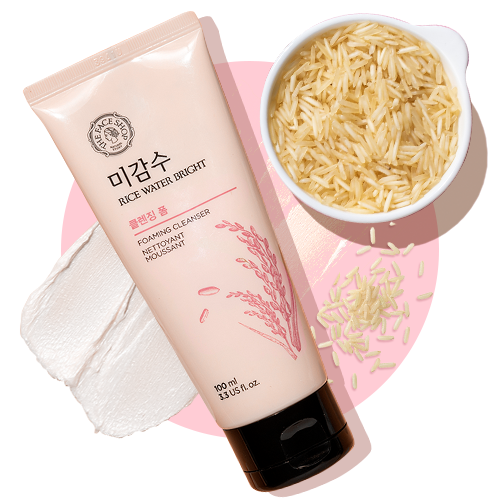
For example, after cleansing with Rice Water Bright Cleansing Foam, follow with a hydrating toner and a gentle niacinamide serum for a balanced routine.
4. Ingredient Deep Dive: What Works Best for Indian Skin Tones?
Indian skin tones (Fitzpatrick IV-VI) are more susceptible to pigmentation and require actives that brighten without triggering inflammation. Here’s what to look for:
- Rice Extract: A K-Beauty staple, rice extract is gentle, brightening, and well-tolerated by Indian skin. It’s featured in many products from The Face Shop.
- Galactomyces Ferment Filtrate: Fermented ingredients help even tone and boost radiance without harshness.
- Snail Mucin: Soothes, hydrates, and supports repair - ideal for post-sun exposure common in India.
Tip: Always patch test new actives on your jawline for 48 hours before full-face use, especially in summer.
5. How to Layer K-Beauty Actives Safely: A Step-by-Step Guide
Layering is key in K-Beauty, but sensitive Indian skin needs a cautious approach. Here’s a dermatologist-approved order:
- Cleanser: Start with a gentle, non-stripping cleanser like Rice Water Bright Cleansing Foam.
- Toner: Opt for a hydrating toner from the Hydrating Toner collection.
- Serum: Apply a single active (e.g., niacinamide or vitamin C), not both together.
- Moisturizer: Lock in hydration with a ceramide-rich emulsion.
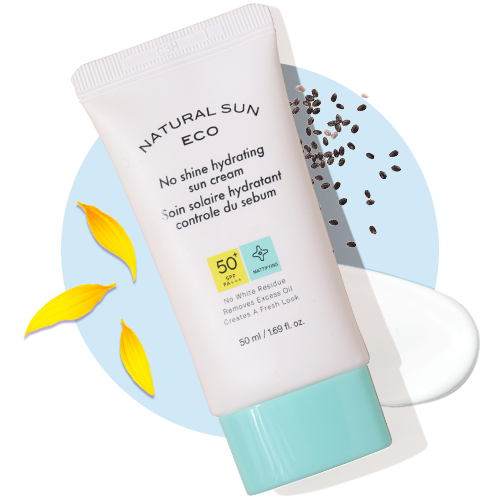
- Sunscreen: Always finish with broad-spectrum SPF, especially after using actives.
Mini-checklist:
- Introduce one new active at a time.
- Space out actives (AM vs. PM) to reduce irritation risk.
- Monitor for redness, itching, or stinging - pause use if these occur.
6. Budgeting for Glass Skin: INR-Smart Choices
Many K-Beauty actives and serums in India range from INR 800 to 2,500 per bottle. To avoid wasting money:
- Invest in multi-tasking products (e.g., a toner with niacinamide and hyaluronic acid).
- Prioritize essentials: gentle cleanser, hydrating toner, single active serum, and moisturizer.
- Look for value packs or bundles from The Face Shop for better per-use cost.
Did you know? Over 60% of Indian K-Beauty users surveyed by Nykaa in 2023 reported better results when simplifying their routines to 3-4 steps, rather than layering multiple actives.
7. Real-World Routine: Sample Glass Skin Regimen for Sensitive Indian Skin
Here’s a dermatologist-inspired routine using gentle K-Beauty actives, tailored for Indian skin and climate:
- AM: Cleanse with Rice Water Bright Cleansing Foam → Hydrating toner → Vitamin C serum (low concentration) → Lightweight moisturizer → Sunscreen
- PM: Cleanse → Hydrating toner → Niacinamide serum → Ceramide & Rice Moisturizing Emulsion
This routine avoids risky combos, supports barrier health, and fits Indian budgets (approx. INR 2,000-3,500 for a full set lasting 2-3 months).
8. Common Myths and Mistakes: What Indian Consumers Get Wrong
Even experienced K-Beauty fans in India make these mistakes:
- Myth: "More actives = faster glass skin." Fact: Overuse can worsen sensitivity and pigmentation.
- Mistake: Using actives daily without breaks. Sensitive skin often needs 2-3x/week application.
- Myth: "Natural means safe." Some plant extracts can still irritate Indian skin, especially in summer.
- Mistake: Skipping sunscreen after actives. This can undo all your brightening efforts.
Always check ingredient lists and consult with a dermatologist if unsure, especially if you have a history of eczema or allergies.
9. When to See a Dermatologist: Red Flags for Sensitive Indian Skin
If you notice any of the following, pause your actives and consult a professional:
- Persistent redness or burning
- Sudden dark patches (PIH)
- Peeling that lasts more than 3 days
- Swelling or hives
Indian dermatologists can help customize your routine and recommend patch testing, especially before trying new K-Beauty trends.
10. The Bottom Line: Achieving Glass Skin Safely in India
For sensitive Indian skin, less is more. Avoid mixing high-strength actives, focus on gentle hydrating ingredients, and always protect your skin barrier. With the right approach, you can achieve a luminous, even-toned glass skin glow - without the risk of irritation or wasted investment.
FAQ
Can I use niacinamide and vitamin C together on sensitive Indian skin?
While some newer studies suggest this combination can be safe, sensitive Indian skin may still react, especially with high concentrations or in humid weather. For best results, use them at different times of day or on alternate days.
What is the safest way to start a K-Beauty routine for glass skin in India?
Begin with a gentle cleanser, hydrating toner, and a single active serum (like niacinamide or vitamin C). Introduce one new product at a time, patch test, and always use sunscreen.
How often should I use exfoliating acids if I have sensitive skin?
Limit exfoliating acids (AHAs/BHAs) to 1-2 times per week for sensitive Indian skin. Overuse can cause irritation and pigmentation, especially in hot or humid climates.
Are K-Beauty products suitable for all Indian skin tones?
Yes, but choose actives that are gentle and proven to work for melanin-rich skin, such as rice extract, galactomyces, and snail mucin. Always patch test and monitor for reactions.
What should I do if I experience redness or stinging after using actives?
Stop using all actives immediately, switch to a simple hydrating routine, and consult a dermatologist if symptoms persist or worsen.