
Quick Summary
Struggling with stubborn dark spots on Indian skin? Discover why common treatments fail and how a proven K-Beauty active duo can deliver glass skin clarity—plus practical tips, INR value insights, and expert-backed routines.
Dark spots, post-acne marks, and stubborn pigmentation are among the top skincare frustrations for Indian consumers. If you’ve tried every cream, home remedy, or trending serum and still see those spots staring back in the mirror, you’re not alone. Indian skin, with its higher melanin content, faces unique challenges - especially in our humid climate and intense sun. But what if the answer isn’t just another product, but a smarter, evidence-backed K-Beauty approach? Let’s break down why most treatments fail and how a specific active duo can finally deliver the luminous, even-toned ‘glass skin’ clarity you crave.
1. Why Dark Spots Are Extra Stubborn on Indian Skin
Indian skin (Fitzpatrick types IV-VI) is genetically prone to hyperpigmentation. Even minor pimples or insect bites can leave behind lingering marks - sometimes for months. Here’s why:
- Melanin Overdrive: Our skin produces more melanin as a protective response, but this also means higher risk of post-inflammatory hyperpigmentation (PIH).
- Sun Exposure: India’s UV index is among the world’s highest. Even short sun exposure can worsen dark spots.
- Humidity & Pollution: These environmental factors trigger inflammation, making pigmentation harder to fade.
Counterintuitive fact: Many ‘whitening’ creams popular in India contain harsh ingredients that can actually irritate skin and worsen pigmentation over time. Instead, gentle, targeted actives are safer and more effective for our skin type.
2. Why Common Treatments Fail: The Indian Context
Most over-the-counter spot correctors in India rely on outdated actives or low concentrations. Here’s what often goes wrong:
- Hydroquinone Risks: Still found in some local products, hydroquinone can cause rebound pigmentation and irritation, especially on darker skin.
- Low-Strength Vitamin C: Many serums use unstable forms that oxidize quickly in Indian humidity, losing potency and sometimes causing sensitivity.
- Skipping Sun Protection: Without daily SPF, even the best actives can’t prevent new spots from forming.
Result: You spend INR 500–2000 on products that barely make a difference. The solution? A strategic K-Beauty duo that addresses both pigment and barrier health.
3. The K-Beauty Philosophy: Gentle, Layered, Proven
K-Beauty isn’t just about glass skin glow - it’s about science-backed, gentle routines that respect your skin barrier. For Indian skin, this means:
- Layering Actives: Using compatible ingredients in the right order for maximum effect.
- Barrier Support: Hydration and barrier repair are prioritized to prevent irritation and rebound pigmentation.
- Consistent, Long-Term Results: K-Beauty routines focus on gradual, sustainable improvement - ideal for persistent Indian pigmentation.
Evidence shows that a combination approach, rather than a single ‘miracle’ ingredient, delivers the best results for stubborn dark spots (NCBI, 2018).
4. Meet the Active Duo: Niacinamide + Vitamin C (Ethyl Ascorbic Acid)
After analyzing dozens of clinical studies and real-world results, two actives stand out for Indian skin:
- Niacinamide (Vitamin B3): Reduces melanin transfer, calms inflammation, and strengthens the skin barrier. It’s gentle, non-irritating, and suitable for all skin tones.
- Vitamin C (Ethyl Ascorbic Acid): A stable, potent antioxidant that fades pigmentation, boosts collagen, and protects against pollution. Ethyl Ascorbic Acid is less likely to oxidize in Indian humidity compared to traditional L-Ascorbic Acid.
Why this duo? Used together (but not mixed in the same bottle), they target both the cause and appearance of dark spots - without the irritation risk of harsher actives.
5. How to Layer for Maximum Results: A Simple Routine
Here’s a practical, step-by-step routine tailored for Indian skin and climate:
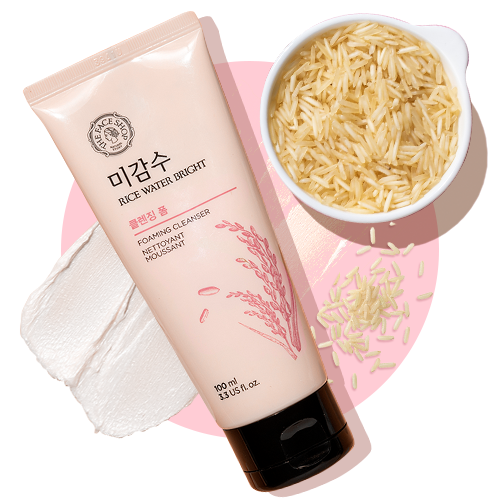
- Gentle Cleanser: Start with a hydrating cleanser like Rice Water Bright Cleansing Foam from The Face Shop to remove impurities without stripping moisture.
- Vitamin C Serum (AM): Apply a few drops of a stable Ethyl Ascorbic Acid serum on clean skin. Let it absorb for 1–2 minutes.
- Niacinamide Serum (PM): Use a 5–10% niacinamide serum in your evening routine to calm inflammation and support repair.
- Barrier-Repair Moisturizer: Lock in hydration with a lightweight emulsion like Ceramide & Rice Lightweight Emulsion.
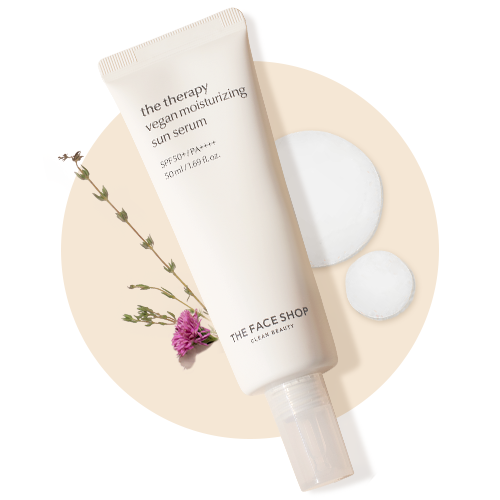
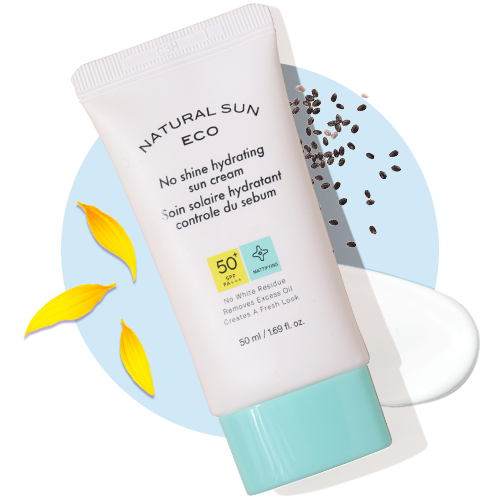
- Daily SPF: Never skip sunscreen in the morning, even indoors. This is non-negotiable for fading dark spots.
Mini-Checklist:
- Patch test new actives on your jawline for 48 hours.
- Introduce one new product at a time.
- Be patient - visible fading takes 6–12 weeks with consistent use.
6. Safe Brightening Actives for Indian Skin: What to Look For
Not all brightening ingredients are created equal. Here’s what’s safe and effective for Indian skin:
- Niacinamide: Multi-tasker for pigmentation, oil control, and barrier repair.
- Ethyl Ascorbic Acid: Stable Vitamin C derivative, less irritating than pure ascorbic acid.
- Alpha Arbutin: Targets localized dark spots, gentle on melanin-rich skin.
- Licorice Extract: Soothes and brightens, reduces risk of PIH.
- Tranexamic Acid: Especially effective for melasma and sun-induced pigmentation.
Tip: Avoid products with high alcohol, fragrance, or harsh exfoliants, which can trigger more pigmentation in Indian skin.
7. INR Value: Are K-Beauty Actives Worth the Investment?
Many Indian consumers hesitate at the INR 1000–2000 price tag for K-Beauty serums. But consider:
- Concentration & Efficacy: K-Beauty actives are often more potent and clinically tested, so you use less product for better results.
- Long-Term Savings: Fewer failed purchases and less need for corrective treatments (like peels or lasers) save money over time.
- Barrier-Friendly Formulas: Reduced risk of irritation means less money spent on repairing damage.
For example, a 30ml serum may last 2–3 months with daily use, costing as little as INR 15–30 per day for visible improvement.
8. Real Results: What to Expect (and What Not To)
What you can expect:
- Gradual fading of dark spots and post-acne marks in 6–12 weeks.
- Brighter, more even skin tone - no ‘whitening’, just clarity.
- Smoother texture and less visible pores.
Limitations:
- Deep melasma or old scars may require dermatologist intervention.
- Results depend on consistent use and sun protection.
- Temporary purging (mild breakouts) can occur as skin adjusts.
Always consult a dermatologist for persistent or severe pigmentation.
9. The Glass Skin Routine: Adapting K-Beauty for Indian Climate
‘Glass skin’ is about healthy, hydrated, luminous skin - not unrealistic perfection. For Indian weather:
- Lightweight Layers: Use hydrating toners and emulsions instead of heavy creams. Explore our Hydrating Toner collection for options suited to humid climates.
- Double Cleansing: At night, double cleanse to remove sunscreen and pollution.
- Barrier Repair: Incorporate ceramides and rice extracts to strengthen skin against environmental stressors.
With the right K-Beauty actives and routine, glass skin is achievable for every Indian skin tone.
10. Choosing the Right Products: What to Avoid and What to Try
Avoid:
- Bleaching creams or high-dose hydroquinone
- Harsh scrubs and peels
- Fragrance-heavy formulas
Try:
- Gentle, pH-balanced cleansers like Rice Water Bright Cleansing Foam
- Barrier-repairing moisturizers such as Ceramide & Rice Lightweight Emulsion
- Hydrating toners from our Hydrating Toner collection
Look for products with clear ingredient lists and patch test before full use.
11. FAQs: Your Top Questions Answered
How long does it take to see results from K-Beauty actives on dark spots?
Most users notice visible fading in 6–12 weeks with consistent use and sun protection. Patience is key.
Can I use niacinamide and vitamin C together?
Yes, but apply them in separate steps (Vitamin C in the morning, Niacinamide at night) for best results.
Are K-Beauty products safe for sensitive Indian skin?
Most K-Beauty actives are formulated to be gentle, but always patch test and avoid products with high alcohol or fragrance.
Do I need to use sunscreen if I’m treating dark spots?
Absolutely. Without daily SPF, pigmentation will persist or worsen, no matter which actives you use.
What should I do if my dark spots don’t fade after 3 months?
Consult a dermatologist. Some pigmentation (like deep melasma) may require prescription treatments or in-clinic procedures.
12. Key Takeaways: Your Path to Glass Skin Clarity
- Indian skin needs gentle, layered actives - avoid harsh treatments.
- The proven K-Beauty duo of Niacinamide and stable Vitamin C (Ethyl Ascorbic Acid) targets both pigment and barrier health.
- Consistent routine, daily SPF, and patience are essential for fading dark spots.
- Investing in quality K-Beauty actives offers better INR value and long-term results.
- Glass skin is achievable for all Indian skin tones with the right approach.
FAQ
How long does it take to see results from K-Beauty actives on dark spots?
Most users notice visible fading in 6–12 weeks with consistent use and sun protection. Patience is key.
Can I use niacinamide and vitamin C together?
Yes, but apply them in separate steps (Vitamin C in the morning, Niacinamide at night) for best results.
Are K-Beauty products safe for sensitive Indian skin?
Most K-Beauty actives are formulated to be gentle, but always patch test and avoid products with high alcohol or fragrance.
Do I need to use sunscreen if I’m treating dark spots?
Absolutely. Without daily SPF, pigmentation will persist or worsen, no matter which actives you use.
What should I do if my dark spots don’t fade after 3 months?
Consult a dermatologist. Some pigmentation (like deep melasma) may require prescription treatments or in-clinic procedures.