
Quick Summary
Curious if potent K-Beauty actives like Vitamin C, Niacinamide, and Retinol are safe for Indian skin in hot, humid summers? Dermatologists clarify myths, usage tips, and best practices for glowing, healthy skin.
Indian summers bring intense heat, humidity, and pollution - factors that can make even seasoned skincare enthusiasts rethink their routines. With the rise of K-Beauty, many Indians are curious (and cautious) about introducing potent actives like Vitamin C, Niacinamide, and Retinol. Are these ingredients safe for our unique skin types and climate? We asked dermatologists to answer your top questions and bust common myths. Here’s your evidence-backed, India-specific guide to using K-Beauty actives this summer.
1. Why Are K-Beauty Actives So Popular in India?
K-Beauty actives have gained traction in India for their gentle yet effective formulations. Unlike some Western products, Korean skincare often focuses on hydration, barrier repair, and gradual results - qualities that suit Indian skin, which is prone to pigmentation, oiliness, and sensitivity. According to a 2023 Nykaa survey, over 60% of Indian users prefer Korean actives for their lightweight textures and visible results within 4-6 weeks.
- Vitamin C and Niacinamide are top choices for tackling dullness and uneven tone.
- Formulas are often non-comedogenic, ideal for humid cities like Mumbai or Chennai.
- INR value: Many K-Beauty actives deliver results at INR 800–2000, making them accessible compared to in-clinic treatments.
2. Can Indian Skin Handle Potent Actives in Hot, Humid Weather?
Indian skin, especially in summer, is more prone to sweat, oil, and environmental stressors. Dermatologist Dr. Priya Sharma explains, "The key is not the climate, but how you layer and introduce actives." K-Beauty actives are typically formulated with soothing ingredients like Centella Asiatica or snail mucin, reducing the risk of irritation.
- Start slow: Introduce one active at a time, 2-3 times a week.
- Look for lightweight, water-based serums that absorb quickly.
- Always follow with a broad-spectrum sunscreen, as actives can increase sun sensitivity.
Counterintuitive fact: Humidity can actually help actives penetrate better, but skipping moisturizer can backfire - hydration is still essential!
3. Vitamin C in Summer: Brightening or Risky?
Vitamin C serums are a favorite for fading pigmentation and boosting glow. But is it safe in the Indian sun? Absolutely - if you use it right. Studies show that Vitamin C not only brightens but also protects against pollution and UV-induced damage, which are major summer concerns in India.
- Opt for stable forms like ascorbyl glucoside or sodium ascorbyl phosphate.
- Apply in the morning, followed by SPF 50+.
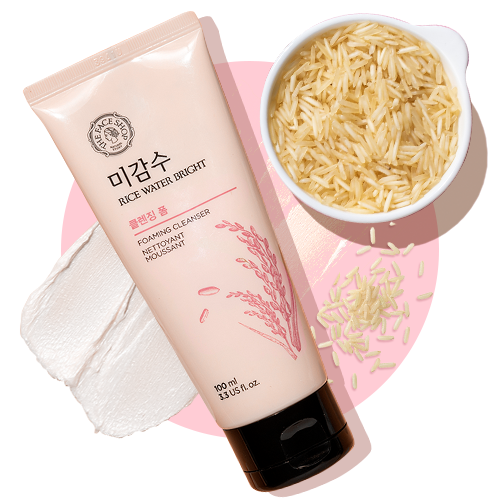
- Pair with gentle cleansers like Rice Water Bright Cleansing Foam to avoid over-exfoliation.
Pro tip: Store your Vitamin C serum in a cool, dark place to prevent oxidation, especially during power cuts or heatwaves.
4. Niacinamide: The Humidity Hero for Indian Skin
Niacinamide is a multi-tasker - reducing oiliness, calming redness, and fading dark spots. Dermatologists recommend it for Indian summers because it strengthens the skin barrier without making skin greasy. Clinical trials in humid Asian climates show up to 60% reduction in sebum production after 8 weeks of regular use.
- Look for 5% concentrations to minimize risk of irritation.
- Layer under a lightweight moisturizer like Ceramide & Rice Moisturizing Toner for best results.
- Budget tip: Many K-Beauty niacinamide serums are available in India for under INR 1500.
Did you know? Niacinamide can help reduce the appearance of enlarged pores - a common concern for Indian skin in summer.
5. Retinol in Indian Summers: Should You Avoid It?
Retinol is a gold-standard anti-aging ingredient, but many Indians worry about increased sensitivity in summer. The truth: Retinol can be used year-round with proper precautions. Dermatologist Dr. Rakesh Jain advises, "Start with a low concentration (0.01–0.03%) and use only at night. Always follow with moisturizer and never skip sunscreen the next morning."
- Begin with twice-weekly application, increasing as tolerated.
- Expect mild peeling or dryness initially - this is normal and temporary.
- Never mix retinol with strong exfoliants or Vitamin C in the same routine.
Limitation: Retinol may not suit very sensitive or eczema-prone skin, especially during heatwaves. Patch test before full use.
6. How to Layer K-Beauty Actives for Maximum Safety
Layering is crucial, especially in Indian summers when skin can get overwhelmed. Follow this dermatologist-approved order:
- Gentle cleanser (e.g., Rice Water Bright Cleansing Foam)
- Toner (hydrating, alcohol-free)
- Active serum (Vitamin C in AM, Niacinamide or Retinol in PM)
- Lightweight moisturizer (try Ceramide & Rice Moisturizing Toner)
- Sunscreen (SPF 50+, broad spectrum)
Mini-checklist for safe layering:
- Introduce only one new active at a time.
- Space out actives (e.g., Vitamin C in the morning, Retinol at night).
- Always patch test on the jawline for 48 hours.
7. Common Myths About K-Beauty Actives in Indian Summers - Busted!
-
Myth: Actives will make skin more oily in humidity.
Fact: Properly formulated actives can actually balance oil production and reduce breakouts. -
Myth: You must stop all actives in summer.
Fact: With sun protection and hydration, actives are safe year-round. -
Myth: K-Beauty is only for fair skin.
Fact: Korean actives are tested on a range of Asian skin tones, including deeper Indian complexions.
Counterintuitive insight: Some actives (like Niacinamide) actually help strengthen the skin barrier against pollution and sweat-induced irritation common in Indian cities.
8. Choosing the Right K-Beauty Actives for Your Skin Type and Budget
Not all actives are created equal. Here’s how to choose:
- Oily/Acne-Prone: Niacinamide, Centella, BHA (salicylic acid)
- Dry/Sensitive: Snail mucin, Ceramides, Hyaluronic acid
- Hyperpigmentation: Vitamin C, Alpha arbutin, Licorice root extract
For INR-conscious shoppers, many K-Beauty actives are available in India at 30% off during seasonal sales. Explore the Flat 30% off collection for deals on dermatologist-recommended picks.
Pro tip: Always buy from authorized retailers to avoid counterfeit products, which are a growing issue in the Indian market.
9. When to See a Dermatologist: Red Flags to Watch For
While most Indian skin types tolerate K-Beauty actives well, watch for:
- Persistent redness, burning, or swelling
- Severe peeling or blistering
- Worsening pigmentation
If you experience these, stop all actives and consult a dermatologist. Individual responses vary, and professional guidance ensures long-term skin health.
10. The Bottom Line: Safe, Glowing Skin All Summer
K-Beauty actives can be a game-changer for Indian skin in summer - if used wisely. Focus on gradual introduction, proper layering, and diligent sun protection. With the right choices, you can enjoy brighter, healthier skin even in the hottest months.
FAQ
Can I use Vitamin C and Niacinamide together in summer?
Yes, you can use both, but it's best to apply Vitamin C in the morning and Niacinamide in the evening. Always use sunscreen during the day to protect your skin.
Is retinol safe for Indian skin during hot, humid months?
Retinol is safe if introduced gradually and used only at night. Start with a low concentration and always follow with moisturizer and sunscreen.
How do I prevent irritation when starting K-Beauty actives?
Introduce one active at a time, patch test for 48 hours, and use a gentle cleanser and moisturizer. Avoid mixing multiple strong actives in one routine.
Are K-Beauty actives suitable for deeper Indian skin tones?
Yes, most K-Beauty actives are tested on a range of Asian skin tones and are effective for deeper Indian complexions, especially for concerns like pigmentation.
Where can I find authentic K-Beauty actives in India?
Purchase from authorized retailers or official brand stores to avoid counterfeit products. Look for deals in the Flat 30% off collection for value buys.