
Quick Summary
Discover which K-Beauty actives should never be mixed for glass skin on Indian skin, why these combos can backfire, and safe, dermatologist-approved alternatives for a radiant, irritation-free glow.
Indian skincare enthusiasts are embracing the K-Beauty glass skin trend, but mixing powerful actives without guidance can lead to irritation, breakouts, or even worsen pigmentation. We asked dermatologists and K-Beauty experts to clarify which actives are risky to combine on Indian skin, why these combos can backfire, and how to safely layer for a radiant, healthy glow. Read on for evidence-led advice, India-specific examples, and practical alternatives that work in our climate and for our skin tones.
Why Mixing K-Beauty Actives Can Backfire on Indian Skin
Indian skin is often more prone to hyperpigmentation, sensitivity, and post-inflammatory darkening compared to lighter skin types. The humid climate, pollution, and frequent sun exposure can further compromise the skin barrier. Dermatologists warn that combining potent actives like acids, retinoids, and vitamin C without a strategy can trigger redness, stinging, or uneven tone.
- Fact: A 2021 Indian Journal of Dermatology study found that 38% of Indian patients using multiple actives reported increased irritation or pigmentation.
- Tip: Always introduce one active at a time and patch test behind the ear for 48 hours.
The Top 3 K-Beauty Actives You Should Never Mix
Some actives are simply incompatible, especially for Indian skin. Here are the three most problematic combos, with dermatologist-backed explanations:
- Vitamin C + AHAs/BHAs: Both are acidic and can overwhelm the skin barrier, leading to burning or dark spots - especially on medium to deep skin tones.
- Retinol + Vitamin C: Using these together can destabilize both ingredients and increase the risk of peeling or sensitivity.
- Retinol + AHAs/BHAs: This pairing can cause excessive exfoliation, triggering redness, flaking, and post-inflammatory hyperpigmentation.
Dr. Meera, a Mumbai-based dermatologist, notes: “Indian skin often reacts more strongly to over-exfoliation. Mixing these actives is a common cause of stubborn pigmentation in my clinic.”
How to Safely Layer K-Beauty Actives for Glass Skin in India
Layering is the secret to K-Beauty, but it must be done with care. Here’s a dermatologist-approved approach for Indian skin:
- Morning: Use a gentle antioxidant (like Vitamin C) after cleansing, followed by a hydrating serum and broad-spectrum sunscreen.
- Evening: Alternate between exfoliating acids (like AHAs/BHAs) and retinoids - never on the same night.
- Hydration: Always sandwich actives between hydrating layers, such as a hyaluronic acid essence or sheet mask.
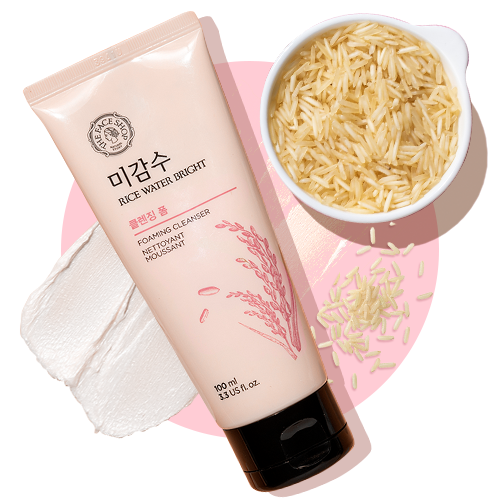
For example, after cleansing with the Rice Water Bright Cleansing Foam, apply a hydrating toner, then your chosen active, and finish with a moisturizer.
India-Specific Risks: Humidity, Pollution, and Sun Exposure
Indian weather and urban environments add unique challenges. High humidity can make actives penetrate faster, increasing irritation risk. Pollution particles can inflame skin, making it more reactive. And strong sun exposure means actives like AHAs and retinoids can worsen pigmentation if not paired with SPF.
-
Checklist:
- Always use SPF 50+ daily, even indoors.
- Consider antioxidant-rich serums to combat pollution.
- Limit actives to 2-3 times a week if you’re new to them.
INR value tip: Investing in a high-quality sunscreen and antioxidant serum can prevent costly treatments for pigmentation later.
Safe Alternatives: What to Use Instead for a Glass Skin Glow
If you have sensitive or reactive Indian skin, try these safer K-Beauty actives and combinations:
- Niacinamide + Hyaluronic Acid: Brightens and hydrates without irritation. Suitable for all skin types and budgets (often available for under INR 700).
- Snail Mucin + Centella Asiatica: Repairs and soothes, ideal for humid Indian summers. Look for lightweight serums in the Glass Skin Serum collection.
- Rice Extract Cleansers: Gently brighten without stripping. The Rice Water Bright Cleansing Foam is a top pick for dull skin.
These combos are less likely to cause irritation and are easy to find in India at various price points.
Counterintuitive Fact: More Actives Don’t Always Mean Better Results
It’s tempting to layer multiple actives for faster results, but Indian dermatologists caution that less is often more. Overuse can damage the skin barrier, leading to more pigmentation and sensitivity - a common issue in Indian cities.
- Data point: A 2022 survey by an Indian skincare forum found that 60% of users who mixed more than two actives reported increased breakouts or dullness.
- Pro tip: Focus on consistency with 1-2 actives rather than chasing trends.
Mini-Guide: Building a Simple, Effective K-Beauty Routine for Indian Skin
Here’s how to build a routine that delivers glass skin without the risk:
- Cleanse: Use a gentle cleanser like Rice Water Bright Cleansing Foam.
- Tone: Apply a hydrating toner (look for rice or centella extracts).
- Treat: Choose ONE active (Vitamin C in the morning, or a gentle acid or retinol at night).
- Hydrate: Layer a hyaluronic acid or snail mucin serum.
- Moisturize: Use a lightweight, non-comedogenic moisturizer.
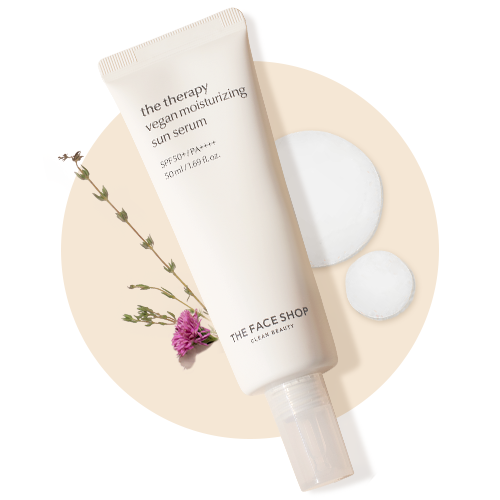
- Protect: Finish with SPF 50+ every morning.
For extra glow, try a weekly sheet mask from the Sheet Masks collection.
Expert Q&A: Your Top K-Beauty Actives Mixing Questions, Answered
-
Q: Can I use Vitamin C and Niacinamide together?
A: Yes, recent studies show they are safe and can boost brightening when layered (Vitamin C first, then Niacinamide). -
Q: How often should I use exfoliating acids on Indian skin?
A: Start with once a week, increase to 2-3 times if tolerated. Always follow with SPF. -
Q: What’s the best way to patch test a new active?
A: Apply a small amount behind your ear or on your jawline for 48 hours. Watch for redness, itching, or bumps. -
Q: Are K-Beauty actives suitable for deeper Indian skin tones?
A: Yes, but avoid aggressive exfoliation and always prioritize barrier repair and sun protection. -
Q: Where can I find dermatologist-approved K-Beauty serums in India?
A: Explore the Glass Skin Serum and Dark Spot Serum collections for safe, effective options.
When to Seek Professional Help: Warning Signs of Over-Mixing
If you notice persistent redness, burning, or dark patches after starting new actives, stop use and consult a dermatologist. Indian skin can develop post-inflammatory hyperpigmentation quickly, so early intervention is key.
-
Checklist:
- Unusual stinging or burning
- Peeling or flaking
- New dark spots or patches
- Persistent breakouts
Remember, healthy skin is the real glass skin - prioritize barrier repair and gentle care over aggressive actives.
FAQ
Can I use Vitamin C and Niacinamide together?
Yes, recent studies show they are safe and can boost brightening when layered (Vitamin C first, then Niacinamide).
How often should I use exfoliating acids on Indian skin?
Start with once a week, increase to 2-3 times if tolerated. Always follow with SPF.
What’s the best way to patch test a new active?
Apply a small amount behind your ear or on your jawline for 48 hours. Watch for redness, itching, or bumps.
Are K-Beauty actives suitable for deeper Indian skin tones?
Yes, but avoid aggressive exfoliation and always prioritize barrier repair and sun protection.
Where can I find dermatologist-approved K-Beauty serums in India?
Explore the Glass Skin Serum and Dark Spot Serum collections for safe, effective options.