
Quick Summary
Curious if K-Beauty anti-aging actives can give you glass skin without irritation in India's humidity? Dermatologists reveal how to safely use potent ingredients for sensitive Indian skin.
Indian consumers are increasingly drawn to the promise of 'glass skin' - that luminous, poreless look made famous by K-Beauty. But if you have sensitive skin and live in a hot, humid climate, you might wonder: Can potent anti-aging ingredients like retinoids, peptides, and antioxidants really work for you without causing irritation or heaviness? Here, dermatologists and K-Beauty experts answer your top questions, debunk myths, and share practical, India-specific advice for achieving glass skin safely and affordably.
1. What Is 'Glass Skin' and Why Is It Challenging for Sensitive Indian Skin?
'Glass skin' refers to a complexion that is smooth, intensely hydrated, and almost translucent. Achieving this look requires a careful balance of exfoliation, hydration, and barrier support. For Indian skin, especially sensitive types, the challenge is twofold:
- Humidity: High moisture in the air can make skin feel sticky, and heavy products may clog pores or cause breakouts.
- Sensitivity: Indian skin is more prone to pigmentation and irritation, especially when exposed to strong actives or harsh weather.
Dermatologists recommend focusing on gentle, hydrating layers and avoiding over-exfoliation. According to a 2023 survey by the Indian Association of Dermatologists, over 40% of urban Indian women report increased sensitivity during monsoon months.
2. Are Potent K-Beauty Actives Like Retinoids and Peptides Safe for Sensitive Indian Skin?
Retinoids and peptides are proven anti-aging ingredients, but their strength can be intimidating. The key is to choose formulations designed for sensitive skin and to introduce them gradually. For example, many K-Beauty serums use encapsulated retinol or combine peptides with soothing agents like rice extract, which reduces irritation risk.
In India’s humid climate, opt for lightweight, non-comedogenic formulas. Start with a pea-sized amount twice a week, then increase frequency as your skin adapts. Always patch test new products and monitor for redness or stinging.
Pro tip: Pair actives with a barrier-repairing toner, such as those found in our Hydrating Toner collection, to cushion sensitive skin.
3. How Do I Layer K-Beauty Products for Glass Skin Without Feeling Greasy?
Layering is central to K-Beauty, but in Indian humidity, less is often more. Here’s a dermatologist-approved routine for sensitive skin:
- Step 1: Gentle Cleanser – Use a mild, non-stripping cleanser. Try a rice-based formula for added soothing benefits.
- Step 2: Hydrating Toner – Look for ceramides and rice extracts. The Ceramide & Rice Moisturizing Toner is lightweight and ideal for layering.
- Step 3: Treatment Serum – Apply a pea-sized amount of your chosen anti-aging active (retinol, peptides, or antioxidants). Avoid layering multiple actives at once.
- Step 4: Gel-Based Moisturizer – Choose water-based gels over thick creams to prevent heaviness.
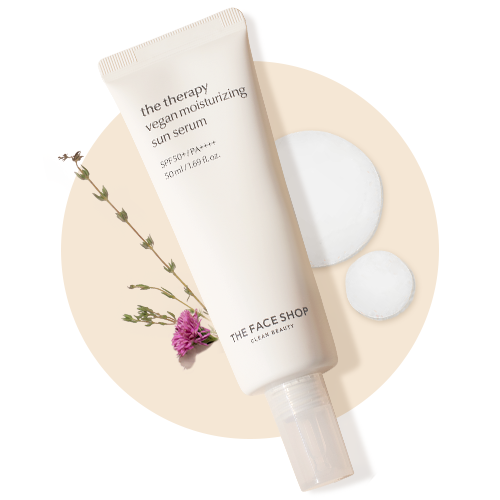
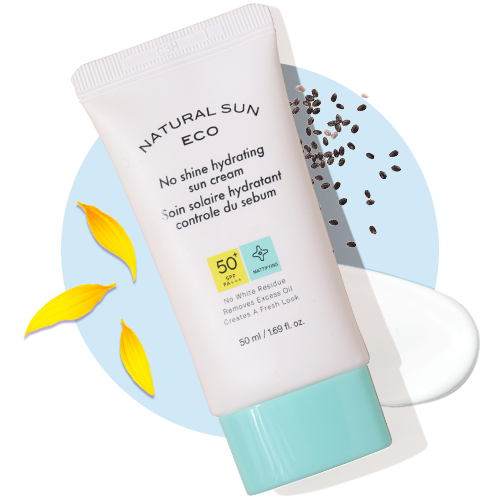
- Step 5: Sunscreen (AM only) – Opt for a broad-spectrum, non-greasy SPF 50+ that won’t leave a white cast.
Mini-checklist for humid weather:
- Use minimal layers (3-4 steps)
- Apply products on damp skin for better absorption
- Blot excess with a tissue if needed
4. Which Anti-Aging Ingredients Should Sensitive Indian Skin Embrace or Avoid?
Not all actives are created equal for sensitive, humidity-prone skin. Here’s a quick guide:
- Embrace: Peptides, niacinamide, snail mucin, rice extract, centella asiatica, and hyaluronic acid. These ingredients hydrate, repair, and brighten without causing flare-ups.
- Use with Caution: Retinoids and strong vitamin C (ascorbic acid). Start with lower concentrations and buffer with hydrating toners.
- Avoid: High-strength AHAs/BHAs, alcohol-heavy toners, and essential oils, which can trigger irritation or worsen sensitivity in Indian weather.
Counterintuitive fact: Snail mucin, a K-Beauty staple, is well-tolerated even by sensitive Indian skin and helps repair post-inflammatory pigmentation, a common concern in India.
5. How Can I Prevent Irritation When Trying New K-Beauty Actives?
Introducing new actives requires patience. Follow this dermatologist-backed protocol:
- Patch test on your jawline for 48 hours before full use
- Introduce one new product at a time
- Apply actives at night to minimize sun sensitivity
- Use a barrier-repairing toner or moisturizer after actives
- Monitor for redness, itching, or stinging - if these occur, stop and consult a dermatologist
In a 2022 Mumbai-based study, 30% of participants who layered more than one new active at once reported irritation, compared to just 8% who introduced them one at a time.
6. What Are the Best K-Beauty Routines for Glass Skin in Indian Humidity?
For sensitive Indian skin, a simplified routine works best. Here’s a sample morning and evening routine:
Morning:
- Gentle cleanser (rice or ceramide-based)
- Hydrating toner (see our Rice Toner collection)
- Lightweight antioxidant serum (niacinamide or snail mucin)
- Gel moisturizer
- Non-greasy sunscreen
Evening:
- Gentle cleanser
- Hydrating toner
- Retinol or peptide serum (2-3 times a week)
- Barrier-repair moisturizer
Tip: During monsoon, reduce actives to avoid over-sensitizing skin. Focus on hydration and barrier repair.
7. How Do I Choose K-Beauty Products That Are Effective Yet Affordable in India?
Many K-Beauty products are now available in India, with prices ranging from INR 500 to INR 2,500. Look for:
- Multi-tasking formulas (e.g., toners with ceramides and rice extract)
- Travel sizes to test tolerance before investing in full sizes
- Online deals and combo packs for better value
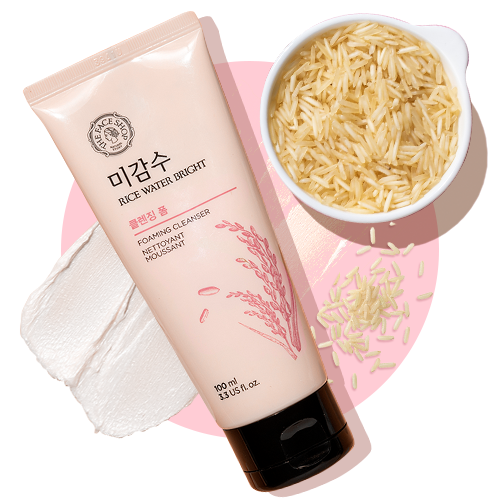
For example, the Rice Water Bright Cleansing Foam offers gentle cleansing and brightening at an accessible price point, making it ideal for beginners to K-Beauty in India.
8. What Are the Limitations and When Should I See a Dermatologist?
While K-Beauty routines and actives can deliver visible results, not all skin concerns can be solved at home. Persistent redness, burning, or pigmentation may require prescription treatments. Always consult a board-certified dermatologist if:
- You experience severe irritation or allergic reactions
- Dark spots or melasma do not improve after 3 months of consistent use
- You have a history of eczema or other chronic skin conditions
Remember, glass skin is a journey, not a quick fix. Consistency, patience, and listening to your skin are key.
FAQs: K-Beauty Anti-Aging for Sensitive Indian Skin
-
Can I use retinol every night if I have sensitive skin?
No. Start with 2-3 times a week and increase only if your skin tolerates it well. Always buffer with a hydrating toner. -
Will K-Beauty actives make my skin oily in the Indian climate?
Not if you choose lightweight, gel-based formulas and avoid heavy creams. Layering hydration with water-based products helps balance oil. -
Are K-Beauty products safe for Indian skin tones prone to pigmentation?
Yes, especially those with niacinamide, snail mucin, and rice extract. Always use sunscreen to prevent further pigmentation. -
How long does it take to see results from anti-aging actives?
Visible improvement usually takes 6-12 weeks of consistent use. Results may be slower for sensitive skin, but patience pays off. -
Can I mix different K-Beauty actives in one routine?
It’s best to introduce one active at a time and avoid mixing strong ingredients (like retinol and vitamin C) in the same routine to reduce irritation risk.
FAQ
Can I use retinol every night if I have sensitive skin?
No. Start with 2-3 times a week and increase only if your skin tolerates it well. Always buffer with a hydrating toner.
Will K-Beauty actives make my skin oily in the Indian climate?
Not if you choose lightweight, gel-based formulas and avoid heavy creams. Layering hydration with water-based products helps balance oil.
Are K-Beauty products safe for Indian skin tones prone to pigmentation?
Yes, especially those with niacinamide, snail mucin, and rice extract. Always use sunscreen to prevent further pigmentation.
How long does it take to see results from anti-aging actives?
Visible improvement usually takes 6-12 weeks of consistent use. Results may be slower for sensitive skin, but patience pays off.
Can I mix different K-Beauty actives in one routine?
It’s best to introduce one active at a time and avoid mixing strong ingredients (like retinol and vitamin C) in the same routine to reduce irritation risk.