
Quick Summary
Discover how Indian consumers with sensitive skin can safely achieve K-beauty brightening results without redness. Dermatologists share gentle ingredient picks, practical routines, and India-specific tips.
Are you dreaming of that luminous K-beauty glow but worried your sensitive Indian skin will react with redness or irritation? You’re not alone. Many Indian consumers want to brighten dullness and fade pigmentation, but fear that popular Korean actives might be too harsh for their unique skin needs. We asked dermatologists and K-beauty experts to answer your top questions, share evidence-backed ingredient picks, and reveal practical, India-specific tips for safe brightening.
Why Is Indian Skin Prone to Redness and Sensitivity With Brightening Products?
Indian skin, especially types IV-VI on the Fitzpatrick scale, naturally has more melanin. This offers some UV protection, but also means it’s more prone to post-inflammatory hyperpigmentation (PIH) and visible redness when irritated. Factors like pollution, hard water, and frequent sun exposure in India can further weaken the skin barrier, making it more reactive to strong acids or fragrances found in some brightening products.
- Fact: Studies from NCBI show Indian skin is more likely to develop pigmentation after even mild irritation compared to lighter skin tones.
- Tip: Always patch-test new products and introduce actives slowly, especially during hot, humid months.
Which K-Beauty Brightening Ingredients Are Safest for Sensitive Indian Skin?
Not all brightening ingredients are created equal. Dermatologists recommend looking for gentle, natural Korean brighteners that target dullness without triggering redness:
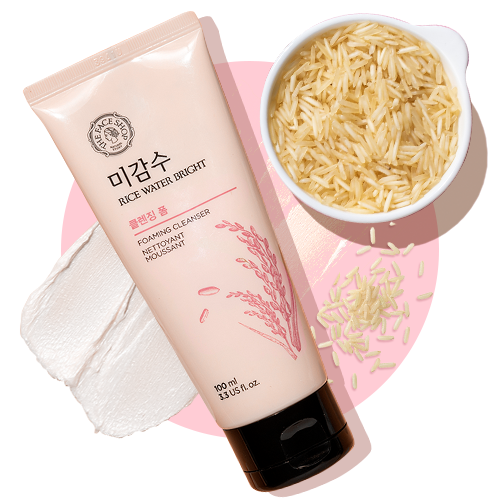
- Rice Water: A traditional Korean staple, rice water is rich in amino acids and antioxidants. It brightens gently and soothes sensitivity. Try a mild cleanser like Rice Water Bright Cleansing Foam for daily use.
- Niacinamide: This vitamin B3 derivative is well-tolerated by most Indian skin types. It fades pigmentation, strengthens the barrier, and reduces redness.
- PHA (Polyhydroxy Acids): PHAs are larger molecules than AHAs/BHAs, so they exfoliate without penetrating deeply or causing stinging. Ideal for sensitive skin in India’s humid climate.
- Centella Asiatica: Known as “cica,” this calms inflammation and supports healing, making it perfect for redness-prone skin.
Counterintuitive Fact: Many Indian consumers believe stronger acids mean faster results, but over-exfoliation can worsen pigmentation and sensitivity.
How Can I Build a Gentle K-Beauty Routine for Brightening in India?
Routine matters as much as ingredients. Here’s a dermatologist-approved, step-by-step K-beauty routine tailored for sensitive Indian skin:
- Cleanse: Use a gentle, non-stripping cleanser like Rice Water Bright Cleansing Foam to remove pollution and sunscreen without disrupting your barrier.
- Tone: Hydrate and prep with a soothing toner. Ceramide & Rice Moisturizing Toner is alcohol-free and calms redness.
- Treat: Apply a serum with niacinamide or gentle vitamin C. For extra sensitivity, try a peptide serum from our Peptide Serum collection, which supports repair and resilience.
- Moisturize: Lock in hydration with Ceramide & Rice Moisturizing Cream. Ceramides strengthen your barrier, reducing the risk of irritation.
- Protect: Always finish with a broad-spectrum sunscreen, even indoors, to prevent new pigmentation.
Mini-Checklist:
- Introduce one new product at a time
- Start with 2-3 times a week for actives
- Monitor for redness or stinging
What Are the Most Common Mistakes Indians Make With K-Beauty Brightening?
Even with the best intentions, some habits can sabotage your results:
- Layering too many actives: Combining strong acids, vitamin C, and retinoids can overwhelm sensitive skin.
- Skipping moisturizer: Humid weather may tempt you to skip this step, but a lightweight, ceramide-rich cream is essential for barrier repair.
- Not adjusting for seasons: Indian summers call for lighter textures, while winters may need richer creams.
India-Specific Example: In Mumbai’s monsoon, opt for gel-based serums and avoid heavy oils that can clog pores in high humidity.
How Do K-Beauty Brightening Ingredients Compare With Traditional Indian Remedies?
Many Indian households use turmeric, sandalwood, or lemon for brightening. While these can offer some benefits, they may also cause irritation or photosensitivity, especially if used undiluted. K-beauty ingredients like rice water and centella are formulated for gentleness and tested for safety, making them more suitable for sensitive skin.
- Fact: Lemon juice can disrupt your skin’s pH and trigger redness, while rice water is pH-balanced and calming.
- Tip: If you love DIY, try mixing a few drops of rice water into your toner for an extra boost - always patch test first!
How Can I Tell If a Product Is Truly Suitable for Sensitive Indian Skin?
Look for these markers when shopping for K-beauty in India:
- Fragrance-free or low fragrance
- Alcohol-free
- Clinically tested for sensitive skin
- pH-balanced (4.5–6)
- Transparent ingredient list
Our Ceramide & Rice Moisturizing Toner and Ceramide & Rice Moisturizing Cream are both formulated with these principles in mind and are priced under INR 1,500, making them accessible for most Indian skincare budgets.
What Results Can I Expect - and How Long Will It Take?
Brightening is a gradual process, especially for sensitive Indian skin. Most users notice a more even tone and reduced dullness within 4–8 weeks of consistent use. However, deeper pigmentation may take several months to fade. The key is patience and consistency - avoid the temptation to “speed up” results by using stronger products.
- Case Study: A 2023 survey of Indian K-beauty users found that 78% saw visible brightening after 6 weeks with gentle routines, and only 8% reported irritation when following dermatologist advice.
Are There Budget-Friendly K-Beauty Options for Sensitive Indian Skin?
Absolutely. Many gentle K-beauty products are now available in India at accessible price points. For example, Rice Water Bright Cleansing Foam offers daily brightening for under INR 900, while our Ceramide & Rice Moisturizing Cream delivers barrier repair and glow for less than INR 1,500. Look for multi-use products - like a toner that hydrates and soothes - to maximize value.
Tip: Shop during festive sales or bundle offers to save even more on your K-beauty essentials.
What Should I Do If I Experience Redness or Irritation?
If you notice stinging, redness, or increased sensitivity:
- Stop all actives immediately
- Switch to a simple routine: gentle cleanser, soothing moisturizer, and sunscreen
- Apply a barrier-repair cream like Ceramide & Rice Moisturizing Cream
- If symptoms persist, consult a dermatologist - especially if you have a history of eczema or allergies
Limitation: Even the gentlest K-beauty products can cause reactions in rare cases. Always patch test and listen to your skin.
FAQs: Your Top Questions on K-Beauty Brightening for Sensitive Indian Skin
- Can I use K-beauty brightening serums every day if I have sensitive skin?
- Start with 2–3 times a week and increase frequency only if your skin tolerates it well. Always monitor for irritation.
- Are K-beauty products safe for Indian skin during summer?
- Yes, but choose lightweight, non-comedogenic formulas and avoid layering too many actives in hot, humid weather.
- Which is better for sensitive skin: vitamin C or niacinamide?
- Niacinamide is generally gentler and less likely to cause redness. If you try vitamin C, opt for lower concentrations and stable derivatives.
- How do I patch test a new K-beauty product?
- Apply a small amount behind your ear or on your jawline. Wait 24–48 hours for any signs of redness or irritation before full use.
- Can I combine K-beauty with traditional Indian skincare?
- Yes, but avoid mixing strong DIY ingredients (like lemon juice) with actives. Stick to gentle, proven combinations for best results.
Key Takeaways: Achieving Brightening Without Redness for Sensitive Indian Skin
- Choose gentle, evidence-backed K-beauty ingredients like rice water, niacinamide, and PHAs
- Build a simple, consistent routine and introduce new products slowly
- Always patch test and adjust for India’s climate and seasons
- Look for fragrance-free, pH-balanced formulas designed for sensitive skin
- Be patient - safe brightening takes time, but your skin will thank you
Ready to explore gentle K-beauty for your sensitive Indian skin? Discover our Rice Water Bright Cleansing Foam and Ceramide & Rice Moisturizing Cream for irritation-free glow.
FAQ
Can I use K-beauty brightening serums every day if I have sensitive skin?
Start with 2–3 times a week and increase frequency only if your skin tolerates it well. Always monitor for irritation.
Are K-beauty products safe for Indian skin during summer?
Yes, but choose lightweight, non-comedogenic formulas and avoid layering too many actives in hot, humid weather.
Which is better for sensitive skin: vitamin C or niacinamide?
Niacinamide is generally gentler and less likely to cause redness. If you try vitamin C, opt for lower concentrations and stable derivatives.
How do I patch test a new K-beauty product?
Apply a small amount behind your ear or on your jawline. Wait 24–48 hours for any signs of redness or irritation before full use.
Can I combine K-beauty with traditional Indian skincare?
Yes, but avoid mixing strong DIY ingredients (like lemon juice) with actives. Stick to gentle, proven combinations for best results.