
Quick Summary
Struggling with combination skin in India's humidity? Discover a step-by-step K-Beauty routine tailored for Indian weather, balancing oil and dryness for true glass skin.
Combination skin in India’s humid climate is a challenge: oily T-zones, dry cheeks, and constant stickiness. If your K-Beauty routine leaves you shiny but not dewy, or patchy instead of glassy, you’re not alone. This guide breaks down a step-by-step Korean skincare routine for combination skin, tailored for Indian weather, with practical advice, INR-value framing, and evidence-backed tips. Let’s help you achieve that coveted glass skin glow - without the grease or dryness.
Why Most K-Beauty Routines Fail in Indian Humidity
Many routines popular online are designed for temperate climates, not India’s heat and monsoon stickiness. Using heavy creams or skipping hydration can backfire, making oily areas oilier and dry patches flakier. According to a 2023 survey by Nykaa, over 60% of Indian K-Beauty users reported increased breakouts or dullness during the monsoon. The key? Adapt every step for our unique weather and skin needs.
- Common mistake: Over-cleansing or using harsh exfoliants, which strip the skin barrier.
- Quick fix: Choose gentle, pH-balanced products and layer lightweight hydration.
Step 1: Double Cleansing - But Make It Monsoon-Proof
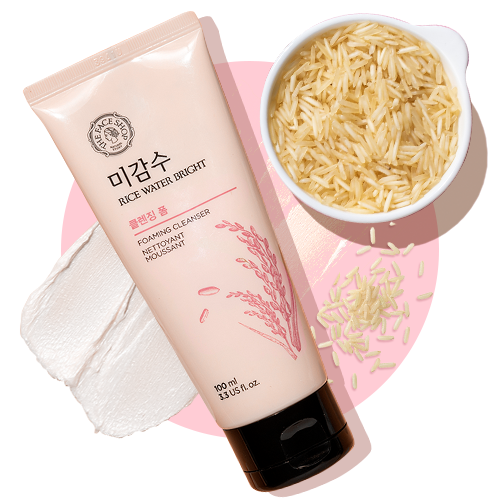
Double cleansing is a K-Beauty staple, but in India’s humidity, oil-based cleansers can feel heavy. Opt for a lightweight cleansing oil or micellar water, followed by a gentle foaming cleanser. Rice Water Bright Cleansing Foam is a top pick for combination skin: it removes sweat, sunscreen, and pollution without over-drying, and costs under INR 800 for 150ml, making it a value buy for daily use.
- Use lukewarm water to avoid shocking your skin.
- Pat dry with a soft towel - never rub, as friction can worsen oiliness and sensitivity.
Step 2: Toner - Hydrate, Don’t Strip
Alcohol-based toners are a no-go for combination skin in India. Instead, pick a hydrating, pH-balancing toner. The Ceramide & Rice Moisturizing Toner is formulated for Indian skin, offering lightweight hydration and barrier support. Its ceramide and rice extracts help soothe dry cheeks while controlling T-zone shine. At INR 450 for 70ml, it’s a smart investment for daily use.
- Apply with hands, not cotton pads, to minimize waste and maximize absorption.
- Layer if needed - two thin coats are better than one heavy application.
Step 3: Essence - The Secret to Dewy, Not Greasy, Skin
Essences are lightweight hydrators packed with actives. Look for formulas with hyaluronic acid, rice, or snail mucin - ingredients proven to boost hydration without clogging pores. In India’s humidity, a watery essence absorbs quickly and helps balance both oily and dry zones. Apply right after toner for best results.
- Mini-checklist: Non-sticky, fragrance-free, and suitable for sensitive skin.
- Pro tip: Store in the fridge for a cooling, pore-tightening effect during hot months.
Step 4: Serum - Targeted Actives for Indian Concerns
Combination skin in India often faces pigmentation, dullness, and occasional breakouts. Serums with niacinamide, propolis, or green tea extract are ideal. Niacinamide helps regulate oil and fade dark spots, while propolis soothes and repairs. Look for serums that mention “non-comedogenic” and “suitable for humid climates” on the label.
- Apply only on problem areas if your cheeks are sensitive or dry.
- Don’t layer too many actives at once - this can irritate Indian skin, especially in summer.
Step 5: Moisturizer - Lightweight, Yet Long-Lasting
Skip heavy creams. Instead, use gel-based or emulsion moisturizers that hydrate without feeling greasy. Products with rice, ceramides, or birch sap are especially effective for Indian skin. The Ceramide & Rice Moisturizing Skincare kit offers a complete solution, balancing hydration and oil control for under INR 1,500 - a solid value for a full routine.
- Apply a pea-sized amount, focusing on drier areas first.
- During monsoon, use less product and reapply only if needed.
Step 6: Sunscreen - Your Glass Skin Insurance
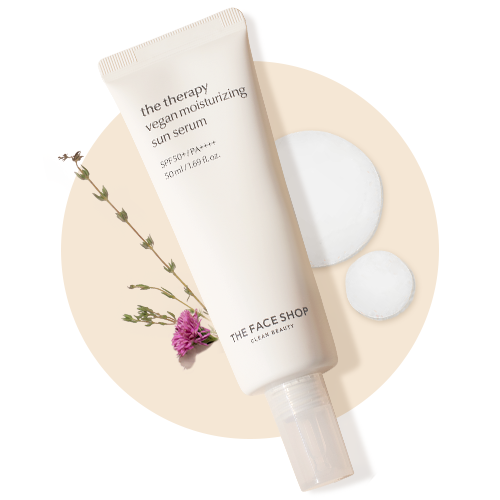
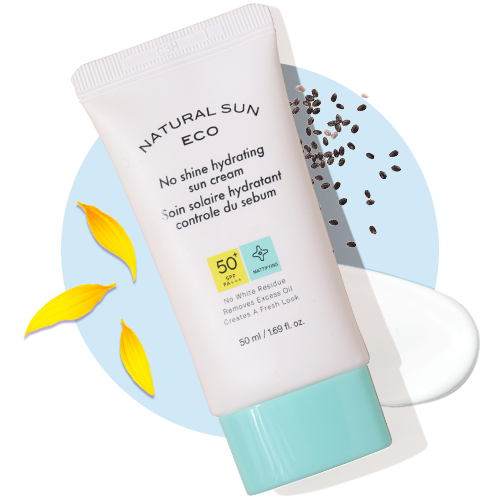
Many skip sunscreen in humid weather, fearing more oiliness. This is a myth. Modern Korean sunscreens are lightweight, non-greasy, and protect against UV and pollution. Look for SPF 50+ with PA+++ and water resistance. Apply generously every morning - even indoors, as UV rays penetrate windows in Indian homes.
- Reapply every 2-3 hours if outdoors or sweating.
- Choose a formula labeled “no white cast” for Indian skin tones.
Step 7: Weekly Extras - Exfoliation and Masks for Indian Skin
Exfoliate gently once a week with a PHA or rice-based scrub to avoid over-stripping. Clay or sheet masks can help balance oil and soothe dryness. In India, avoid harsh scrubs or alcohol-heavy masks, which can worsen sensitivity. Sheet masks with green tea or ginseng are ideal for calming post-sun skin.
- Patch test new products on your jawline before full use.
- Budget tip: Multi-use masks offer better INR value than single-use sachets.
Routine Tweaks for Monsoon, Summer, and Winter in India
Indian weather demands seasonal adjustments. In summer, switch to lighter textures and increase cleansing frequency if you sweat more. During monsoon, focus on barrier repair and fungal acne prevention. In winter, layer hydrating toners and richer creams on dry areas only. Flexibility is key for glass skin all year round.
- Keep blotting papers handy for T-zone shine in summer.
- Use a humidifier indoors during dry winter months for extra hydration.
How to Shop Smart: INR Value and Ingredient Checks
With so many K-Beauty options in India, focus on ingredient lists and INR-per-ml value. Multi-step kits like the Ceramide & Rice Moisturizing Skincare kit offer bundled savings. Always check for “suitable for all skin types” or “combination skin” on labels. For more options, explore our All Skin Types collection for curated picks.
- Look for expiry dates and batch numbers - freshness matters in India’s heat.
- Buy from authorized retailers to avoid counterfeits.
Common Myths About Combination Skin in India - Busted
Myth: Oily skin doesn’t need moisturizer. Fact: Skipping hydration triggers more oil production. Myth: Scrubbing hard removes oil. Fact: Over-exfoliation damages the barrier and worsens breakouts. Trust science-backed routines, not old wives’ tales.
- Always patch test new actives.
- Consult a dermatologist for persistent concerns like pigmentation or cystic acne.
FAQ
How do I prevent my T-zone from getting oily in Indian humidity?
Use lightweight, non-comedogenic products and blotting papers. Avoid over-cleansing, which can trigger more oil production. Gel-based moisturizers and mattifying sunscreens help control shine.
Can I skip moisturizer if my skin feels greasy?
No. Skipping moisturizer can make your skin produce more oil. Opt for a gel or emulsion moisturizer that hydrates without heaviness.
How often should I exfoliate combination skin in India?
Once a week is ideal. Use gentle PHAs or rice-based scrubs to avoid over-stripping, especially during monsoon or summer.
Are Korean products safe for Indian skin tones?
Yes, most K-Beauty products are formulated for sensitive skin and are suitable for Indian skin tones. Always patch test new products and check for 'all skin types' on the label.
What’s the best way to shop for authentic K-Beauty in India?
Buy from authorized retailers or official brand stores. Check for expiry dates, batch numbers, and avoid deals that seem too good to be true.