
Quick Summary
Discover the gentle K-Beauty exfoliation method tailored for Indian skin. Achieve glass skin without redness by choosing the right products and layering techniques for India’s climate.
Dreaming of that luminous, poreless 'glass skin' look but worried about redness or irritation? You're not alone. Many Indian skincare enthusiasts want the glow of K-Beauty but need a routine that respects our unique skin tones, climate, and sensitivities. This guide breaks down the gentle K-Beauty exfoliation method, step by step, with practical advice for Indian skin. You'll learn how to exfoliate safely, what products to choose, and how to layer for maximum glow - without the risk of overdoing it.
Why Exfoliation is Essential for Indian Skin: The Science and the Struggle
Exfoliation removes dead skin cells, unclogs pores, and helps fade dullness - a common concern for Indian skin due to pollution, humidity, and sun exposure. However, aggressive scrubs or harsh acids can trigger redness, post-inflammatory hyperpigmentation, or even breakouts, especially on melanin-rich skin. K-Beauty's philosophy is all about gentle, consistent care. Studies show that mild chemical exfoliants like AHAs (alpha hydroxy acids), BHAs (beta hydroxy acids), and PHAs (polyhydroxy acids) can improve texture and brightness without the irritation often caused by physical scrubs (source).
- Indian climate factor: High humidity can lead to clogged pores, while dry winters may cause flakiness. Exfoliation helps balance both, but only if done gently.
- Value tip: Investing in a gentle exfoliant (often INR 500–1500) can save you from costly treatments for pigmentation or acne later.
Physical vs. Chemical Exfoliation: What Works Best for Indian Skin?
Physical exfoliants (like walnut scrubs) are popular but can cause microtears, especially on sensitive or pigmented skin. Chemical exfoliants, a K-Beauty staple, use mild acids to dissolve dead skin cells without abrasion. For Indian skin, chemical exfoliation is usually safer and more effective for achieving glass skin.
- AHAs (like glycolic and lactic acid): Brighten and smooth, best for dry or uneven skin.
- BHAs (like salicylic acid): Penetrate pores, ideal for oily or acne-prone skin.
- PHAs: Even gentler, suitable for sensitive skin types.
Counterintuitive fact: Over-exfoliation can actually make skin look duller and more uneven. Less is more, especially in the Indian context.
Step 1: Start With a Gentle Cleanser - Why Your First Step Matters
Proper cleansing preps your skin for exfoliation. In India, pollution and sweat can leave residue that blocks exfoliants from working. Opt for a mild, pH-balanced cleanser that doesn't strip your skin.
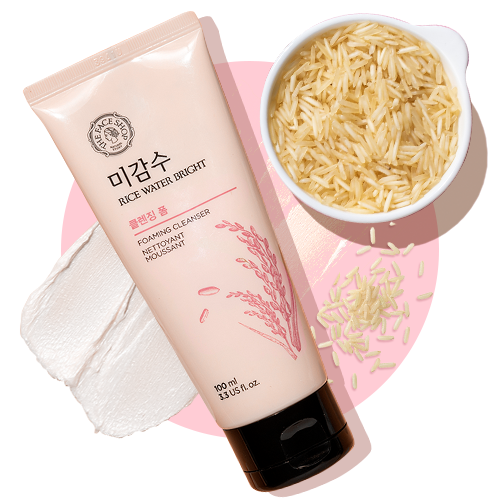
- Try Rice Water Bright Cleansing Foam for a gentle yet effective cleanse. Rice water is a traditional Asian ingredient known for brightening and soothing, making it ideal for Indian skin prone to dullness.
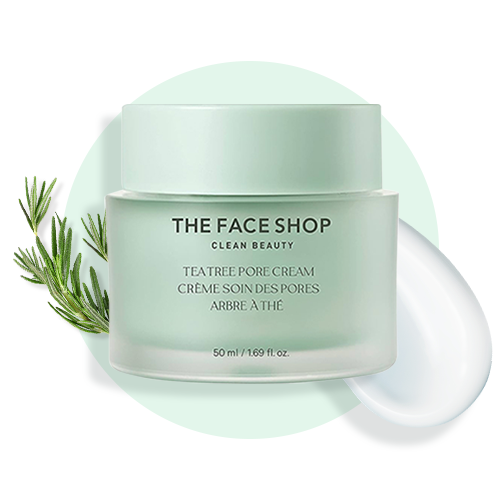
- For oily or acne-prone skin, Tea Tree Pore Clarifying Gel Cleanser helps control excess oil without drying out your face.
Mini-checklist: Avoid cleansers with strong fragrances or sulfates, which can increase irritation risk.
Step 2: Choose the Right Exfoliant for Your Skin Type and Climate
Not all exfoliants are created equal. In India, where skin can be both oily and dehydrated, picking the right formula is crucial.
- Dry or mature skin: Look for AHAs like lactic acid or mandelic acid. These are less irritating and help with pigmentation.
- Oily or acne-prone skin: BHAs (like salicylic acid) are oil-soluble and penetrate deep into pores.
- Sensitive skin: PHAs or enzyme-based exfoliants are the gentlest options.
India-specific tip: During humid summers, use lighter gel-based exfoliants. In winter, opt for hydrating formulas to avoid flakiness.
Step 3: Layering Like a Pro - How to Avoid Redness and Maximize Glow
K-Beauty routines are famous for their layering. The key is to apply products from thinnest to thickest texture, allowing each to absorb fully. After cleansing and exfoliating, follow with a hydrating toner, essence, and lightweight moisturizer.
- Wait at least 10 minutes after exfoliating before applying other actives (like Vitamin C or Niacinamide) to reduce irritation risk.
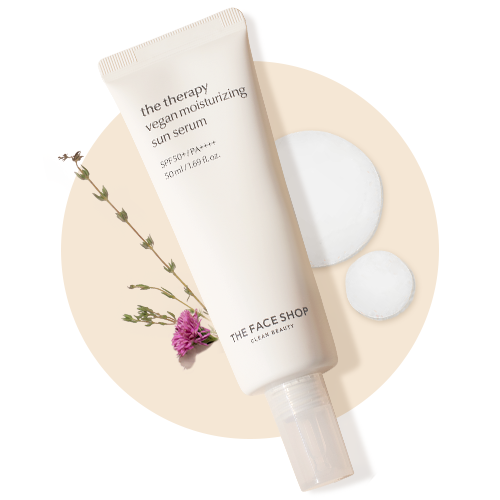
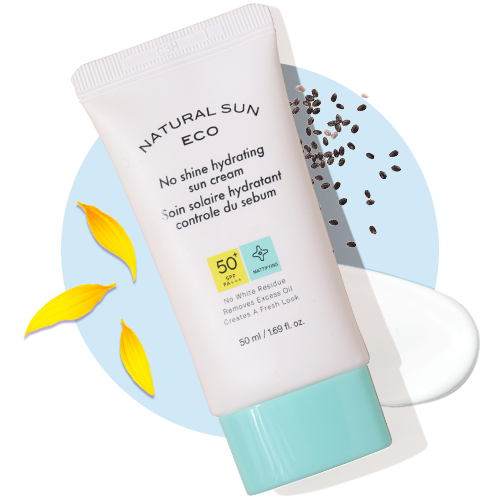
- Always use sunscreen in the morning - exfoliated skin is more sensitive to UV damage, which is a major concern in India.
Counterintuitive fact: Skipping moisturizer after exfoliation can actually increase oiliness, as your skin tries to compensate for lost moisture.
How Often Should You Exfoliate? The Indian Skin Frequency Formula
More isn't always better. For most Indian skin types, exfoliating 1–2 times per week is ideal. Sensitive skin may need just once a week, while oily skin can tolerate up to three times, especially in humid regions.
- Watch for signs of over-exfoliation: Redness, stinging, or increased breakouts mean it's time to cut back.
- Value framing: A 100 ml exfoliant (INR 800–1500) can last 3–4 months if used correctly, making it a smart investment.
India-specific example: If you live in Mumbai or Chennai, where humidity is high, you may need to exfoliate more often than someone in Delhi's dry winter.
Addressing Common Concerns: Pigmentation, Sensitivity, and Indian Skin Tones
Indian skin is more prone to post-inflammatory hyperpigmentation (PIH), which means harsh exfoliation can leave dark spots. Gentle chemical exfoliants, especially those with added soothing ingredients like rice water or centella, help fade pigmentation without triggering new marks.
- Tip: Always patch test new exfoliants on your jawline for 24 hours before full use.
- For sensitive skin: Start with PHAs or enzyme exfoliants and increase frequency only if your skin tolerates it.
Counterintuitive fact: Some Indian skin tones may look dull not because of pigmentation, but due to surface buildup. Gentle exfoliation can restore radiance quickly.
Budgeting for Glass Skin: How to Build a Routine That Works in INR
K-Beauty routines can seem expensive, but you don't need a 10-step regimen to see results. Focus on essentials: a gentle cleanser, a suitable exfoliant, a hydrating toner, and sunscreen. Many effective exfoliants are available between INR 700 and 1500, and a little goes a long way.
- Try travel-sized products from the Trial Store to test what works for your skin before committing to full sizes.
- Look for seasonal discounts, such as those in the Flat 30% off collection, to maximize value.
India-specific tip: Prioritize sunscreen in your budget - no exfoliation routine will deliver glass skin if you skip sun protection.
What Results to Expect: Realistic Timelines and Limitations
With consistent, gentle exfoliation, most Indian skin types notice brighter, smoother skin within 2–4 weeks. However, deep pigmentation or acne scars may take 2–3 months to fade. Results depend on your starting point, climate, and how well you stick to the routine.
- Limitation: Exfoliation alone won't fix hormonal acne or severe pigmentation. Consult a dermatologist for persistent issues.
- Trust cue: All recommendations here are based on evidence-led research and practical experience with Indian skin.
Mini-checklist: Track your progress with before-and-after photos every two weeks to see subtle improvements.
Summary: Your K-Beauty Exfoliation Routine for Indian Skin
- Cleanse with a gentle, pH-balanced face wash.
- Exfoliate 1–2 times per week with a chemical exfoliant suited to your skin type.
- Layer hydrating products and always finish with sunscreen in the morning.
- Patch test new products and adjust frequency based on your skin's response.
- Focus on consistency and patience for best results.
Ready to start your journey to glass skin? Explore gentle exfoliants and cleansers from The Face Shop and discover what works for your unique Indian skin needs.
FAQ
Can I use a physical scrub if I have Indian skin?
Physical scrubs can cause microtears and worsen pigmentation, especially on melanin-rich Indian skin. Chemical exfoliants are generally safer and more effective for achieving glass skin.
How do I know if I’m over-exfoliating?
Signs include redness, stinging, increased breakouts, or tightness. If you notice these, reduce frequency and focus on hydration.
Is it safe to exfoliate during Indian summers?
Yes, but choose lighter, gel-based exfoliants and always follow with sunscreen. Humidity can make skin oilier, so adjust frequency as needed.
What should I do if I have both oily and sensitive skin?
Start with PHAs or enzyme exfoliants, exfoliate once a week, and patch test before full use. Adjust based on your skin’s response.
Do I need to exfoliate if I already use actives like Vitamin C or Niacinamide?
Yes, but space out exfoliation and actives to avoid irritation. Exfoliate on different days or wait at least 10 minutes between steps.