
Quick Summary
Are K-Beauty exfoliators truly effective for Indian skin, or could they be causing more harm than good? Dermatologists weigh in on benefits, risks, and how to choose the right exfoliator for your skin type and climate.
Indian skincare enthusiasts are increasingly drawn to K-Beauty exfoliators, but are these products truly suited for Indian skin types and climates? We asked dermatologists and analyzed the latest research to help you make an informed decision. Here’s what you need to know before adding that trending exfoliator to your cart.
Why Exfoliation Matters for Indian Skin: The Science and the Myths
Exfoliation removes dead skin cells, unclogs pores, and can brighten the complexion. For Indian skin, which is often prone to hyperpigmentation, acne, and uneven texture due to environmental factors like pollution and humidity, exfoliation can be transformative. However, myths abound - many believe more exfoliation equals better results, but overdoing it can cause irritation, redness, and even worsen pigmentation.
- Fact: Indian skin, especially medium to deep tones, is more susceptible to post-inflammatory hyperpigmentation from aggressive exfoliation.
- Tip: Always patch test new exfoliators and start slow, especially if you have sensitive or reactive skin.
K-Beauty Exfoliators: What Makes Them Unique?
K-Beauty exfoliators are celebrated for their gentle, innovative formulas - often combining fruit enzymes, PHAs, and hydrating ingredients. Unlike harsh scrubs, these products aim to exfoliate without stripping the skin barrier. For Indian consumers, this means less risk of irritation and better suitability for humid climates.
- Many K-Beauty exfoliators use PHAs (Polyhydroxy Acids), which are less irritating than AHAs or BHAs and ideal for sensitive Indian skin.
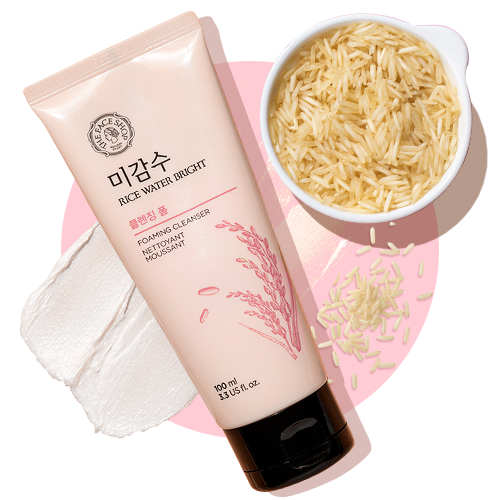
- Ingredients like rice water and apricot blossom extract are gentle yet effective, offering brightening benefits without harshness.
- Products such as Alltimate Panthenol 2% Exfoliating Gel combine soothing panthenol with mild exfoliation, making them suitable for daily use in Indian weather.
Is Your Exfoliator Helping or Harming? Key Signs to Watch For
How do you know if your exfoliator is working - or making things worse? Dermatologists recommend watching for these signs:
- Positive signs: Smoother texture, brighter tone, fewer clogged pores, and no stinging or redness.
- Warning signs: Persistent redness, increased sensitivity, dry patches, or dark spots worsening - these indicate over-exfoliation.
In humid Indian cities like Mumbai or Chennai, over-exfoliation can also trigger fungal acne or exacerbate oiliness. If you notice breakouts or irritation, reduce frequency or switch to a gentler formula.
How Often Should You Exfoliate? Dermatologists’ India-Specific Advice
Frequency depends on your skin type, climate, and the product’s strength. For most Indian skin types:
- Normal to oily skin: 2-3 times per week with a gentle chemical exfoliator.
- Sensitive or dry skin: Once a week, or even less if you experience irritation.
- During humid seasons: Consider reducing frequency, as sweat and increased oil can make skin more reactive.
Always follow exfoliation with a hydrating moisturizer, such as Ceramide & Rice Moisturizing Cream, to support your skin barrier.
Physical vs. Chemical Exfoliators: Which Is Better for Indian Skin?
Physical exfoliators use particles to manually slough off dead skin, while chemical exfoliators rely on acids or enzymes. For Indian skin, dermatologists generally recommend gentle chemical exfoliators:
- Chemical exfoliators (like those with PHA, AHA, or BHA) are less likely to cause microtears or worsen pigmentation.
- Physical scrubs can be too abrasive, especially for deeper skin tones prone to marks.
- Look for products with PHA or fruit enzymes for a mild, effective exfoliation experience.
However, if you prefer a physical exfoliator, choose one with smooth, rounded particles and use it sparingly.
What Ingredients Should Indian Consumers Look For?
Not all exfoliating ingredients are created equal. For Indian skin, dermatologists recommend:
- PHAs: Gentle, hydrating, and suitable for sensitive skin.
- Rice water: Brightens and soothes, ideal for dull or uneven skin.
- Salicylic acid (BHA): Penetrates pores, great for oily and acne-prone skin.
- Fruit enzymes: Such as papaya or apricot, offer mild exfoliation without irritation.
Always check the ingredient list and avoid products with high concentrations of alcohol or fragrance, which can trigger sensitivity in Indian climates.
How Much Should You Spend? Value and Availability in India
K-Beauty exfoliators are now widely available in India, with prices ranging from INR 500 to INR 2,000. While premium options may offer advanced ingredients, many mid-range products deliver excellent results. For example, Alltimate Panthenol 2% Exfoliating Gel offers gentle exfoliation and barrier support at a competitive price point.
- Look for products with proven ingredients and positive Indian user reviews.
- Consider buying from authorized retailers to ensure authenticity and avoid counterfeit products.
Building a Safe Exfoliation Routine: Step-by-Step for Indian Skin
Here’s a dermatologist-approved routine for Indian skin:
- Cleanse: Use a gentle cleanser, such as those in our Best Korean Cleansers collection.
- Exfoliate: Apply your K-Beauty exfoliator as directed, starting with once a week.
- Moisturize: Follow with a hydrating cream to lock in moisture.
- Protect: Always use sunscreen during the day, as exfoliation can increase sun sensitivity.
Mini-checklist:
- Patch test new products.
- Start slow and observe your skin’s response.
- Adjust frequency based on climate and skin needs.
Common Mistakes to Avoid: Lessons from Indian Dermatologists
Even the best exfoliator can backfire if used incorrectly. Dermatologists highlight these common mistakes:
- Using multiple exfoliating products at once (e.g., combining acids and scrubs).
- Skipping moisturizer after exfoliation.
- Not wearing sunscreen, leading to increased risk of pigmentation.
- Ignoring signs of irritation or over-exfoliation.
Remember, less is often more - especially in India’s hot and humid climate.
When to See a Dermatologist: Knowing Your Limits
If you experience persistent redness, burning, or worsening pigmentation, stop exfoliating and consult a dermatologist. Indian skin can react unpredictably to new actives, especially in harsh weather or polluted environments. Professional guidance ensures you get the benefits of exfoliation without the risks.
Conclusion: Making the Right Choice for Your Skin
K-Beauty exfoliators can be highly effective for Indian skin - if you choose the right formula, use it correctly, and listen to your skin’s signals. Prioritize gentle ingredients, start slow, and always protect your skin barrier. With the right approach, you can achieve smoother, brighter skin without the pitfalls of over-exfoliation.
FAQ
Are K-Beauty exfoliators safe for Indian skin tones?
Yes, most K-Beauty exfoliators are formulated to be gentle and hydrating, making them suitable for Indian skin tones. However, always patch test and start with a lower frequency to avoid irritation or hyperpigmentation.
How do I know if my exfoliator is working?
Signs of effective exfoliation include smoother texture, brighter skin, and fewer clogged pores. If you notice redness, stinging, or worsening dark spots, reduce usage or switch to a gentler formula.
Can I use a K-Beauty exfoliator every day in India’s humid climate?
Daily exfoliation is generally not recommended, especially in humid climates where skin can be more reactive. Most Indian skin types benefit from exfoliating 1-3 times per week, depending on sensitivity.
What ingredients should I avoid in exfoliators for Indian skin?
Avoid high concentrations of alcohol, strong fragrances, and harsh physical scrubs, as these can trigger irritation and worsen pigmentation in Indian skin.
Where can I buy authentic K-Beauty exfoliators in India?
Purchase from authorized retailers or official brand stores to ensure authenticity. Look for products with positive Indian user reviews and clear ingredient lists.