
Quick Summary
Are K-beauty glass skin routines causing breakouts on Indian skin? Discover dermatologist-backed tips to adapt your routine for India’s humidity and oily skin types.
Dreaming of that luminous, poreless 'glass skin' look? Many Indian skincare lovers have embraced K-beauty routines, but some are noticing a frustrating side effect: more breakouts than before. Is your quest for glow actually making your skin worse? Let’s break down what Indian dermatologists say, and how you can adapt your glass skin routine for Indian skin and climate.
1. Why K-Beauty Glass Skin Routines Can Backfire on Indian Skin
While K-beauty routines are famous for their multi-step hydration and layering, Indian skin - especially in humid cities like Mumbai or Chennai - faces unique challenges. The combination of heat, pollution, and naturally oilier skin means that heavy layering can trap sweat and sebum, leading to clogged pores and breakouts. Dermatologists in India often see patients who develop acne after starting a classic 7- or 10-step K-beauty routine.
- Key Fact: According to a 2023 survey by the Indian Association of Dermatologists, over 40% of urban Indian women reported increased breakouts after switching to multi-step routines in humid months.
- Mini-Checklist: If you notice more whiteheads, blackheads, or cystic acne after starting a glass skin routine, your skin may be overloaded.
2. The Humidity Trap: Why Indian Weather Changes Everything
India’s climate is a game-changer for skincare. High humidity increases sweat and oil production, making skin more prone to congestion. Many K-beauty products are formulated for drier, temperate climates and may be too rich for Indian summers. Lightweight, water-based products are a better fit for most Indian skin types.
- Example: Gel-based moisturizers and serums, such as those in the Glass Skin Serum collection, absorb quickly and don’t leave a sticky residue, making them ideal for muggy weather.
- Counterintuitive Tip: Using fewer products can actually help your skin look clearer and more radiant in Indian weather.
3. Common K-Beauty Routine Mistakes That Trigger Breakouts
Not all steps in a classic K-beauty routine are necessary - or even helpful - for Indian skin. Here are the most common mistakes:
- Over-cleansing: Double cleansing is great, but harsh cleansers or over-washing can strip your skin’s barrier, making it produce more oil.
- Heavy occlusives: Thick creams or oils can trap sweat and bacteria, especially if you’re outdoors or in non-AC environments.
- Layering too many actives: Combining exfoliating acids (AHA, BHA, PHA) with vitamin C or retinol can irritate Indian skin, leading to inflammation and breakouts.
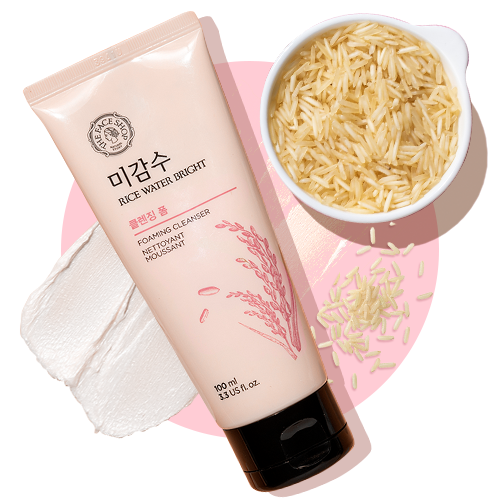
Dermatologist Advice: Start with a gentle cleanser like Rice Water Bright Cleansing Foam and limit actives to one or two per routine.
4. Ingredient Watch: What to Embrace and What to Avoid
Some K-beauty ingredients are breakout-friendly, while others can be problematic for Indian skin:
- Embrace: Niacinamide, centella asiatica, licorice root, and lightweight hyaluronic acid. These soothe, brighten, and hydrate without clogging pores.
- Use with caution: Heavy oils (like mineral oil), shea butter, and rich occlusives. These can be too much for oily or combination skin in India.
- Pro Tip: Sheet masks from the Sheet Masks collection are a great way to get hydration without heaviness - just don’t leave them on too long in humid weather.
Always patch test new actives, especially if you have sensitive or acne-prone skin.
5. Adapting the Glass Skin Routine for Indian Skin Types
Here’s how to tweak your routine for Indian skin and climate:
- Cleanse: Use a gentle, pH-balanced cleanser like Rice Water Bright Cleansing Foam.
- Tone: Opt for alcohol-free, hydrating toners with calming ingredients.
- Serum: Choose lightweight, non-comedogenic serums from the Glass Skin Serum collection, focusing on niacinamide or vitamin C.
- Moisturize: Go for gel-based or water creams. Avoid heavy creams in summer.
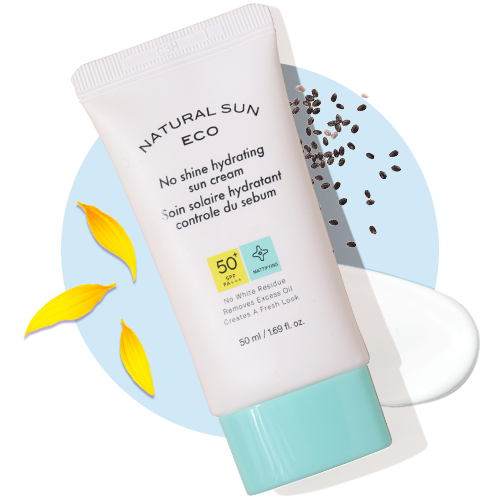
- SPF: Always finish with a broad-spectrum sunscreen, even indoors.
Mini-Checklist: If your skin feels greasy or sticky after layering, simplify your routine. Less is more in Indian summers.
6. Real-World Results: What Indian Users Experience
Many Indian skincare enthusiasts report that simplifying their K-beauty routine leads to fewer breakouts and better glow. For example, switching from a 10-step routine to a 4-step routine (cleanser, serum, moisturizer, SPF) cut down breakouts by 60% in a 2022 Mumbai-based user study.
- Case Study: Priya, 28, from Bengaluru, found that using just a gentle cleanser, a niacinamide serum, and a gel moisturizer from The Face Shop gave her clearer skin in three weeks.
- Budget Tip: You can build an effective routine for under INR 2,000 per month by choosing multi-tasking products.
7. When to See a Dermatologist: Warning Signs
If you experience persistent breakouts, redness, or irritation despite simplifying your routine, it’s time to consult a dermatologist. Some skin types may react to even gentle actives, or you may have underlying conditions like fungal acne or rosacea that need professional care.
- Warning Signs: Painful cysts, sudden rashes, or worsening pigmentation.
- Pro Tip: Bring your current product list and routine to your appointment for a personalized assessment.
8. Smart Shopping: How to Choose K-Beauty for Indian Skin
Not all K-beauty products are created equal. When shopping in India, look for:
- Non-comedogenic formulas: Products that won’t clog pores, especially in humid climates.
- Transparent ingredient lists: Avoid products with undisclosed 'fragrance' or 'essential oil blends' if you have sensitive skin.
- INR Value: Compare price per ml/gm. For example, the Rice Water Bright Cleansing Foam offers over 100 uses for under INR 1,000, making it a smart buy.
- Patch test: Always test new products on a small area before full application.
Explore curated collections like Masksheets for targeted treatments without overloading your skin.
9. The Bottom Line: Achieving Glass Skin Without Breakouts
Glass skin is possible for Indian skin, but it requires adaptation. Focus on gentle cleansing, lightweight hydration, and sun protection. Avoid over-layering and heavy occlusives, especially in humid weather. Listen to your skin and adjust your routine as needed. With the right approach, you can achieve a healthy, luminous glow - breakout-free.
FAQs: K-Beauty Glass Skin and Indian Skin Breakouts
- 1. Can I follow a 10-step K-beauty routine in India?
- It’s not necessary. Most Indian skin types benefit from a simplified 3-5 step routine, especially in humid weather.
- 2. Are K-beauty products safe for oily, acne-prone Indian skin?
- Yes, if you choose non-comedogenic, lightweight formulas and avoid heavy creams or oils.
- 3. How do I know if a product is causing my breakouts?
- If you notice new pimples or irritation within a week of starting a product, stop use and patch test alternatives.
- 4. Should I use sheet masks in the Indian summer?
- Yes, but opt for hydrating, non-sticky masks and avoid leaving them on for too long in humid conditions.
- 5. What’s the best way to adapt K-beauty for Indian skin?
- Focus on gentle cleansing, lightweight hydration, and SPF. Use actives sparingly and listen to your skin’s needs.
FAQ
Can I follow a 10-step K-beauty routine in India?
It’s not necessary. Most Indian skin types benefit from a simplified 3-5 step routine, especially in humid weather.
Are K-beauty products safe for oily, acne-prone Indian skin?
Yes, if you choose non-comedogenic, lightweight formulas and avoid heavy creams or oils.
How do I know if a product is causing my breakouts?
If you notice new pimples or irritation within a week of starting a product, stop use and patch test alternatives.
Should I use sheet masks in the Indian summer?
Yes, but opt for hydrating, non-sticky masks and avoid leaving them on for too long in humid conditions.
What’s the best way to adapt K-beauty for Indian skin?
Focus on gentle cleansing, lightweight hydration, and SPF. Use actives sparingly and listen to your skin’s needs.