
Quick Summary
Discover a step-by-step K-Beauty 'Glass Skin' routine tailored for combination Indian skin. Learn how to balance oily T-zones and dry cheeks in every season, with India-specific tips and product picks.
Dreaming of that luminous, poreless 'Glass Skin' glow but frustrated by an oily T-zone and dry cheeks? You're not alone. Indian skin often faces unique challenges: humidity, pollution, and seasonal swings that make combination skin especially tricky. This evidence-led, India-specific guide breaks down a K-Beauty routine that truly balances both oil and dryness - so you can achieve Glass Skin all year, without breakouts or dehydration.
1. Why Glass Skin Is Different for Indian Combination Skin
Glass Skin is more than just a trend - it's about visibly healthy, hydrated, and balanced skin. But for Indian combination skin, the journey is unique. Our climate ranges from dry winters in Delhi to humid monsoons in Mumbai, and pollution can clog pores or trigger dullness. Studies show that Indian skin is prone to both dehydration and excess sebum, especially in urban areas (NCBI).
- Oily T-zone: Forehead, nose, and chin often get shiny or congested, especially in summer.
- Dry cheeks: Prone to flakiness or tightness, particularly in air-conditioned or winter environments.
Adapting your routine to India's seasons and pollution levels is key for real results.
2. Step 1: Double Cleansing - But Make It Season-Smart
Double cleansing is the K-Beauty foundation for Glass Skin, but the right cleanser matters. In India, sweat, sunscreen, and pollution can build up fast. Start with a gentle oil-based cleanser to dissolve makeup and SPF, followed by a water-based cleanser to remove residue.
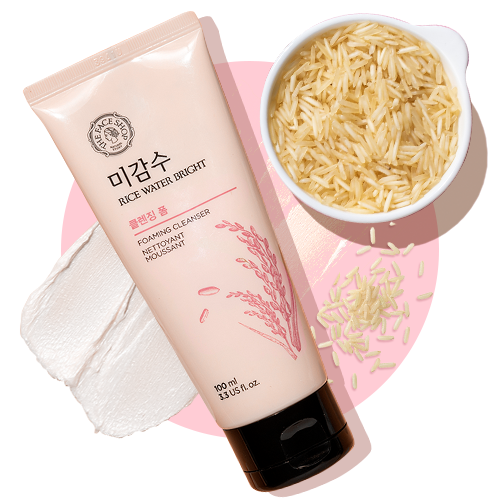
- Summer/Monsoon: Use a lightweight gel or foam cleanser that won't strip natural oils. Try Rice Water Bright Cleansing Foam from The Face Shop for INR 650 - it's gentle, brightening, and ideal for humid climates.
- Winter: Opt for a hydrating cleanser to avoid over-drying cheeks. Avoid harsh scrubs, which can worsen both oiliness and dryness.
Tip: If you wear heavy sunscreen or makeup, double cleanse every evening. In the morning, a single gentle cleanse is often enough.
3. Step 2: Toner - Hydration Without Heaviness
Toners prep your skin for deeper hydration and help rebalance after cleansing. For combination skin, choose alcohol-free, hydrating toners that soothe dry areas without making the T-zone greasy.
- Rice Toners: Rich in amino acids, they brighten and hydrate. Explore our Rice Toner collection for options starting at INR 900.
- Hydrating Toners: Look for ingredients like hyaluronic acid or panthenol. See our Hydrating Toner range for lightweight, non-sticky formulas.
Counterintuitive fact: Many Indians skip toner, but research shows it can reduce both oiliness and dehydration when used consistently (NCBI).
4. Step 3: Essence - The Secret to Plump, Dewy Skin
Essences are lightweight, watery treatments packed with actives like niacinamide, peptides, or fermented extracts. They deliver hydration deep into the skin without heaviness - perfect for balancing combination skin in India's climate.
- Niacinamide: Controls oil and brightens dullness, common in Indian skin.
- Fermented ingredients: Boost barrier function and even out tone.
Apply a few drops after toner, patting gently. In summer, you may find essence alone is enough for day moisture.
5. Step 4: Serum - Targeted Solutions for Indian Concerns
Serums deliver concentrated ingredients for specific needs. For Indian combination skin, look for:
- Vitamin C: Fights pollution-induced dullness and pigmentation. Studies confirm its efficacy for Indian skin tones (NCBI).
- Propolis or Centella: Soothe sensitivity and redness, especially after sun exposure.
- Snail mucin: Hydrates and repairs without clogging pores.
Choose lightweight, non-comedogenic serums. Layer only what your skin needs - overloading can cause breakouts in humid weather.
6. Step 5: Moisturizer - Balance Without Grease
Even oily T-zones need moisture, especially in air-conditioned offices or during winter. The trick is to pick a moisturizer that hydrates dry cheeks without making the T-zone shiny.
- Gel creams: Ideal for hot, humid cities like Chennai or Kolkata.
- Ceramide creams: Strengthen the skin barrier in dry climates. Ceramide & Rice Moisturizing Cream from The Face Shop (INR 990) is a top pick for balancing both zones.
Mini-checklist:
- Apply a thin layer to T-zone, a bit more on cheeks.
- Switch to richer creams only if cheeks feel tight in winter.
7. Step 6: Sunscreen - Your Year-Round Shield
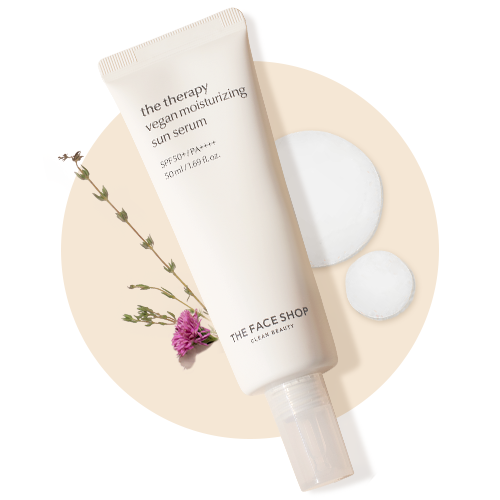
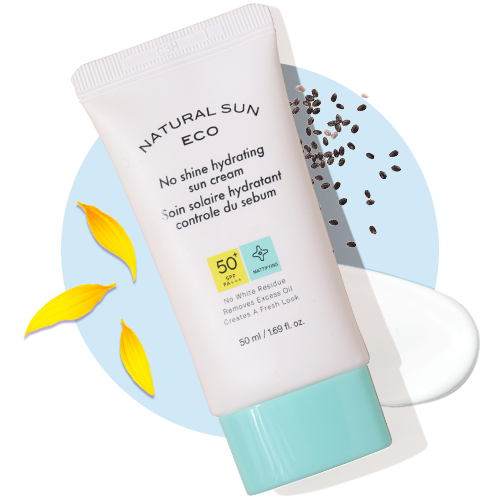
UV rays and pollution accelerate pigmentation and aging, especially for Indian skin. Choose a broad-spectrum, lightweight sunscreen (SPF 30+) that won't clog pores or leave a white cast.
- Gel or fluid sunscreens: Absorb quickly, ideal for oily T-zones.
- Look for PA+++ or higher: Ensures UVA protection, crucial for Indian sun intensity.
Apply generously every morning, even on cloudy days. Reapply every 2-3 hours if outdoors.
8. Adapting Your Routine for Indian Seasons & Pollution
Combination skin in India changes with the weather. Here’s how to tweak your routine:
- Summer/Monsoon: Use lighter textures, mattifying serums, and blotting papers for midday shine. Consider a charcoal cleanser once or twice a week to detox pores.
- Winter: Layer hydrating toners and richer creams on cheeks. Avoid over-cleansing, which can worsen dryness.
- Pollution: Double cleanse nightly, use antioxidants (like vitamin C), and consider barrier-repair creams.
Fact: Indian cities like Delhi and Mumbai rank among the world's most polluted, making antioxidant-rich routines especially important (NCBI).
9. Ingredient Watchlist: What Works (and What to Avoid) for Indian Combination Skin
Not all K-Beauty ingredients suit Indian skin. Here’s what to look for - and what to skip:
- Best for balance: Niacinamide, hyaluronic acid, ceramides, centella, propolis, peptides.
- For oil control: Charcoal, green tea, gentle BHAs.
- To avoid: Heavy oils (like coconut), harsh alcohols, strong fragrances - these can clog pores or trigger irritation in heat/humidity.
Always patch test new products, especially if you have sensitive or reactive skin.
10. Smart Shopping: Value, Authenticity & Indian Availability
With K-Beauty’s popularity in India, it’s vital to buy from trusted sources. Look for:
- INR value: Many effective K-Beauty products are available between INR 500–1500. Multi-use products (like toners that double as essences) offer great value.
- Authenticity: Only buy from authorized retailers to avoid fakes. The Face Shop offers direct-from-Korea products with batch tracking.
- Seasonal offers: Check out POS B2G1 deals for savings on curated routines.
Pro tip: Always check expiry dates and ingredient lists, especially if you have allergies or sensitivities.
11. Real Results: What to Expect & How to Track Progress
Glass Skin is a journey, not a quick fix. Most users in India report visible improvements in 4–8 weeks with consistent use. Keep a skin diary or take weekly selfies to track:
- Reduced shine in T-zone
- Softer, less flaky cheeks
- Brighter, more even skin tone
Limitation: Hormonal changes, diet, and stress can still affect your skin. If you experience persistent breakouts or irritation, consult a dermatologist.
12. Your Routine, Your Way: Customizing for Your Skin’s Needs
No two Indian combination skin types are identical. Use this guide as a starting point, but adjust based on your skin’s daily feedback. Less can be more - especially in hot, humid weather. And remember, consistency is the real secret to Glass Skin.
FAQ
Can I use the same K-Beauty routine year-round in India?
No—adjust textures and hydration levels for each season. Use lighter gels in summer and richer creams in winter for best results.
Will K-Beauty routines make my oily T-zone worse?
Not if you choose non-comedogenic, lightweight products. Hydration actually helps regulate oil production.
Are K-Beauty products safe for Indian skin tones?
Yes, most are formulated for sensitive and diverse skin. Always patch test and check for fragrance or alcohol if you’re sensitive.
How long before I see results from a Glass Skin routine?
Most people notice improvements in 4–8 weeks with consistent use.
Can I skip toner or essence if I’m short on time?
You can, but these steps boost hydration and glow. At minimum, cleanse, moisturize, and use sunscreen daily.