
Quick Summary
Confused about K-Beauty for your Indian skin barrier? Discover dermatologist-backed ingredients, practical routines, and smart product picks for humid Indian climates.
Struggling with dry, irritated, or flaky skin despite trying popular K-Beauty products? You’re not alone. Many Indian consumers unknowingly pick ingredients that don’t suit our unique skin needs or climate. This guide, grounded in dermatologist recommendations and real Indian experiences, will help you choose the right K-Beauty ingredients to repair and strengthen your skin barrier - without wasting money or risking irritation.
1. Why Your Indian Skin Barrier Needs Special Care
India’s climate is a tough test for skin. High humidity, pollution, and frequent sun exposure can weaken your skin barrier, leading to sensitivity, dullness, and breakouts. According to dermatologists, Indian skin is more prone to pigmentation and dehydration, especially in cities like Mumbai or Delhi where pollution levels are high. A compromised barrier can make even gentle products sting or cause redness.
- Common signs of a weak barrier: Dry patches, redness, increased sensitivity, and frequent breakouts.
- Indian context: Over-cleansing and harsh scrubs, still popular in India, can strip away protective oils, worsening the problem.
Understanding your skin’s needs is the first step to choosing the right K-Beauty ingredients.
2. The Science of the Skin Barrier: What Really Matters
Your skin barrier is like a shield - made of lipids, ceramides, and natural moisturising factors. When this shield is damaged, irritants and allergens can enter easily. Dermatologists in India recommend focusing on ingredients that restore and protect this barrier, rather than just chasing trends.
- Key functions: Locking in moisture, blocking pollutants, and preventing irritation.
- Evidence-led tip: Studies show that ceramides and fatty acids are especially effective for Indian skin exposed to urban pollution (NCBI).
3. K-Beauty Ingredients to Avoid for Indian Skin Barriers
Not all K-Beauty ingredients are created equal - especially for Indian skin. Some popular actives can be too harsh or heavy in our climate:
- High-strength exfoliating acids (AHA/BHA): Can worsen sensitivity and pigmentation when overused in humid, sunny conditions.
- Heavy occlusives (like mineral oil): May clog pores and feel greasy, especially in cities like Chennai or Kolkata.
- Fragrance and essential oils: Common in some K-Beauty lines, but can trigger irritation for sensitive Indian skin.
Instead, opt for gentle, barrier-repairing ingredients that suit Indian weather and skin tones.
4. Dermatologist-Recommended K-Beauty Ingredients for Barrier Repair
Here’s what Indian dermatologists and skincare experts actually recommend for repairing and strengthening your skin barrier:
- Ceramides: Restore the skin’s natural lipid layer. Look for products like the Ceramide & Rice Moisturizing Skincare kit from The Face Shop for an effective, INR-friendly option.
- Centella Asiatica (Cica): Soothes inflammation and speeds up healing - ideal for post-acne marks common on Indian skin.
- Niacinamide: Reduces redness, strengthens the barrier, and helps with pigmentation - a triple win for Indian consumers.
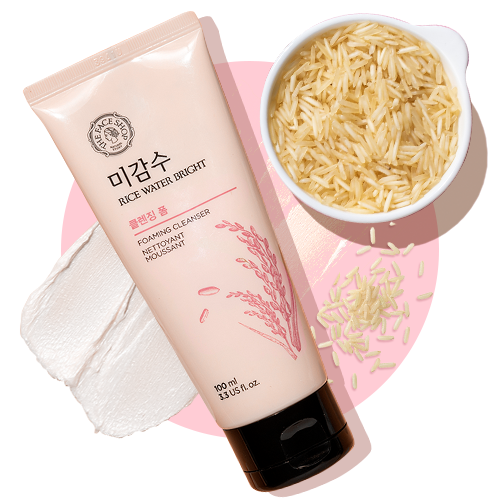
- Rice Extract: Hydrates without heaviness and brightens uneven skin tone. The Rice Water Bright Cleansing Foam is a gentle, INR-savvy pick for daily use.
- Panthenol and Beta-Glucan: Deeply hydrate and calm sensitive skin, making them perfect for those with frequent irritation.
These ingredients are not only effective but also widely available in India at accessible price points.
5. Ingredient Showdown: What Works Best in Humid Indian Climates?
Humidity changes how products feel and work. In India, lightweight, non-comedogenic formulas are key. Here’s how top K-Beauty ingredients compare:
- Ceramides vs. Heavy Oils: Ceramides repair without clogging pores, while heavy oils can cause breakouts in humid weather.
- Rice Extract vs. Shea Butter: Rice extract hydrates and brightens without stickiness, while shea butter may feel too rich for most Indian skin types.
- Niacinamide vs. Vitamin C: Both brighten, but niacinamide is gentler for sensitive, barrier-compromised skin.
Choose ingredients that deliver results without making your skin feel greasy or overloaded.
6. Building a Barrier-Friendly K-Beauty Routine for Indian Skin
Ready to put these ingredients to work? Here’s a simple, dermatologist-inspired routine tailored for Indian weather and skin concerns:
- Gentle Cleanser: Use a low-pH, non-stripping cleanser like Rice Water Bright Cleansing Foam to remove impurities without disrupting your barrier.
- Hydrating Toner: Look for formulas with rice extract or panthenol to prep and soothe skin.
- Serum: Choose a niacinamide or centella-based serum for daily barrier support. For pigmentation, consider layering with a gentle vitamin C serum.
- Moisturiser: Opt for ceramide-rich creams that feel light but lock in moisture. The Ceramide & Rice Moisturizing Skincare kit is a smart bundle for INR-conscious shoppers.
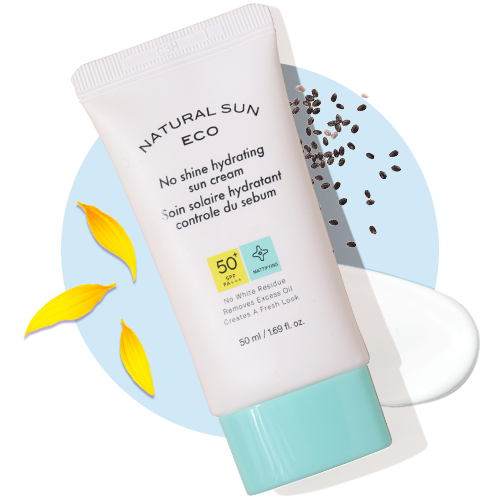
- Sunscreen: Always finish with a broad-spectrum sunscreen, even on cloudy days.
Tip: For an extra boost, use Sheet Masks with centella or rice extract 2-3 times a week.
7. Smart Shopping: INR-Savvy K-Beauty Picks for Barrier Repair
Quality K-Beauty doesn’t have to break the bank. Here’s how to shop smart in India:
- Bundle Kits: Kits like the Ceramide & Rice Moisturizing Skincare kit offer multiple barrier-friendly products at a value price (often under ₹1500 for a full routine).
- Single-Use Sheet Masks: Try Sheet Masks for targeted hydration and repair - most cost between ₹100-₹150 per mask.
- Check Ingredients: Always scan for ceramides, centella, and niacinamide high up in the ingredient list.
- Beware of Fakes: Buy only from trusted retailers to avoid counterfeit products, which are common in the Indian market.
Prioritise ingredient quality and suitability over hype or imported price tags.
8. Common Mistakes Indians Make with K-Beauty (and How to Avoid Them)
Even the best products can backfire if used incorrectly. Here’s what to watch out for:
- Over-exfoliation: Using too many acids can strip your barrier, especially in humid or polluted environments.
- Skipping Sunscreen: Barrier repair is incomplete without daily sun protection - pigmentation and sensitivity will persist otherwise.
- Layering too many actives: Stick to one or two key ingredients to avoid irritation.
- Ignoring patch tests: Always patch test new products, especially if you have sensitive or reactive skin.
Mini-checklist for safe K-Beauty use in India:
- Introduce one new product at a time
- Monitor for redness or stinging
- Adjust routine during extreme weather (monsoon, summer heat)
9. Real Results: What to Expect and When
Barrier repair is a journey, not a quick fix. Most Indian users report visible improvements - less redness, smoother texture, and fewer breakouts - within 2-4 weeks of using the right ingredients. However, persistent pigmentation or severe sensitivity may require a dermatologist’s intervention.
- Quick wins: Hydration and reduced stinging within days.
- Long-term gains: Stronger, more resilient skin with consistent use.
- Limitation: If your skin doesn’t improve after 4-6 weeks, consult a dermatologist for personalised advice.
10. Your Next Steps: Building a Barrier-Smart K-Beauty Routine
Ready to shop or tweak your routine? Start with gentle, proven ingredients and adjust based on your skin’s feedback. Remember, the best K-Beauty for Indian skin is not about following trends, but about choosing what works for your unique needs and climate.
- Focus on ceramides, centella, niacinamide, and rice extract
- Choose lightweight, non-comedogenic formulas
- Be patient and consistent for real results
For more product ideas, explore our Sheet Masks and Rice Water Bright Cleansing Foam for barrier-friendly options tailored to Indian skin.
FAQ
Which K-Beauty ingredient is best for repairing the Indian skin barrier?
Ceramides are highly recommended by dermatologists for Indian skin barriers. They restore the lipid layer, lock in moisture, and protect against pollution and humidity.
Can I use exfoliating acids (AHA/BHA) if I have a compromised barrier?
It’s best to avoid strong acids if your barrier is weak. Overuse can worsen sensitivity and pigmentation, especially in humid Indian climates. Focus on gentle, hydrating ingredients first.
How do I know if a K-Beauty product is authentic in India?
Purchase only from trusted retailers and check for proper labeling. Beware of unusually low prices or missing ingredient lists, as counterfeit products are common in the Indian market.
How long does it take to see results from barrier-repairing K-Beauty products?
Most users notice improvements in hydration and sensitivity within 2-4 weeks. For persistent issues, consult a dermatologist for personalised advice.
Are sheet masks effective for barrier repair in India?
Yes, sheet masks with centella or rice extract provide targeted hydration and soothing benefits. Use 2-3 times a week for best results, especially during harsh weather.