
Quick Summary
Discover a proven 3-step K-Beauty routine tailored for Indian monsoon skin. Learn why most exfoliators fail, how to prevent breakouts, and what really works for oily, sensitive Indian skin.
Monsoon in India brings much-needed relief from the heat, but it also triggers a wave of breakouts, oiliness, and stubborn skin congestion. If you’ve tried exfoliators that promise clear skin but still wake up to new pimples, you’re not alone. This step-by-step K-Beauty routine is designed specifically for Indian skin during the rainy season, with a focus on why most exfoliators fail - and what really works.
Why Monsoon Breakouts Are Different: The Indian Climate Factor
Monsoon humidity in India can spike up to 90%, creating a perfect breeding ground for acne-causing bacteria. Excess sweat, pollution, and sebum mix to clog pores, especially for those living in metro cities like Mumbai, Chennai, and Kolkata. According to a 2023 survey by Nykaa, over 65% of Indian women report increased breakouts during the rainy season.
- Humidity increases oil production, even for those with normal skin.
- Pollution particles stick to damp skin, worsening congestion.
- Traditional harsh exfoliators can strip the skin, making things worse.
Understanding these unique challenges is the first step to building a routine that works for Indian skin.
Step 1: Start with a Gentle, pH-Balanced Cleanser
Many Indian consumers believe a foaming or harsh cleanser is needed to tackle monsoon oiliness. However, over-cleansing can disrupt your skin barrier, leading to more breakouts. Instead, opt for a gentle, pH-balanced cleanser that removes sweat and pollution without stripping natural oils.
- Look for sulfate-free formulas with soothing ingredients like tea tree or rice water.
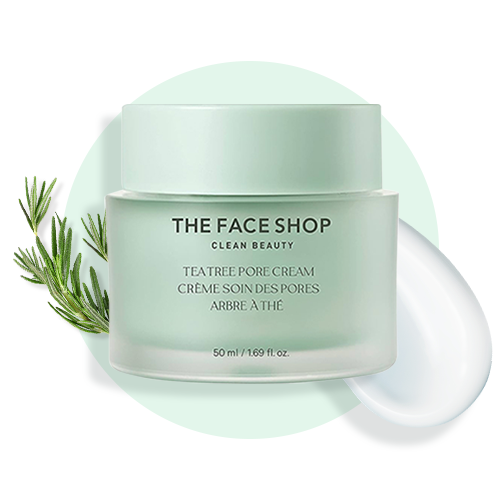
- For oily or acne-prone skin, Tea Tree Pore Clarifying Gel Cleanser is a top pick. It helps control oil and purify pores, ideal for humid Indian weather.
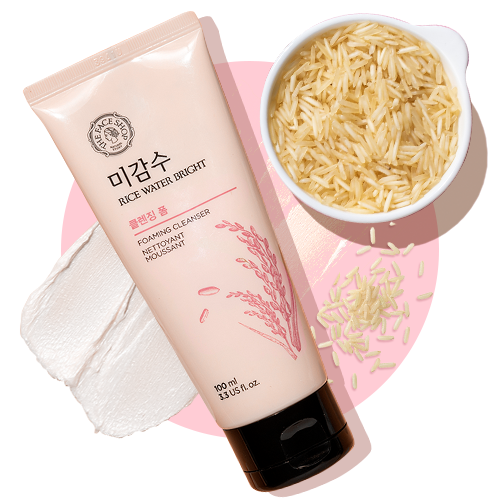
- If you prefer a creamy texture, Rice Water Bright Cleansing Foam gently removes impurities while brightening dull skin.
Pro tip: Cleanse twice daily, but avoid aggressive scrubbing. Use lukewarm water to prevent irritation.
Step 2: The Truth About Exfoliation - Why Most Exfoliators Fail in India
Exfoliation is crucial for preventing clogged pores, but here’s the catch: Most Indian consumers use physical scrubs or high-strength acids that are too harsh for humid, sensitive skin. This can trigger inflammation, worsen pigmentation, and even cause post-inflammatory hyperpigmentation (PIH), especially in melanin-rich Indian skin tones.
- Physical scrubs with walnut or apricot shells can create micro-tears, making skin vulnerable to bacteria.
- High-concentration AHAs or BHAs may cause redness and peeling, particularly in the monsoon.
- Many exfoliators are not pH-optimized for Indian skin, reducing their effectiveness.
What works instead? Choose a gentle chemical exfoliant with low-concentration AHA, BHA, or PHA. PHAs (like gluconolactone) are especially suitable for sensitive, oily Indian skin during monsoon as they exfoliate without irritation.
Step 3: Hydrate and Protect - The K-Beauty Secret to Resilient Skin
Hydration is often overlooked in Indian routines, especially during humid months. However, dehydrated skin produces more oil to compensate, leading to further breakouts. Lightweight, non-comedogenic moisturizers and serums are key.
- Look for gel-based moisturizers with hyaluronic acid or centella asiatica.
- Layer a peptide or vitamin C serum for added repair and brightening. Explore our Peptide Serum and Vitamin C Serum collections for options suited to Indian skin.
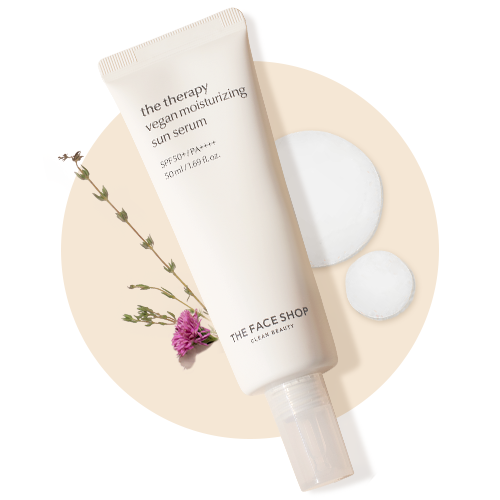
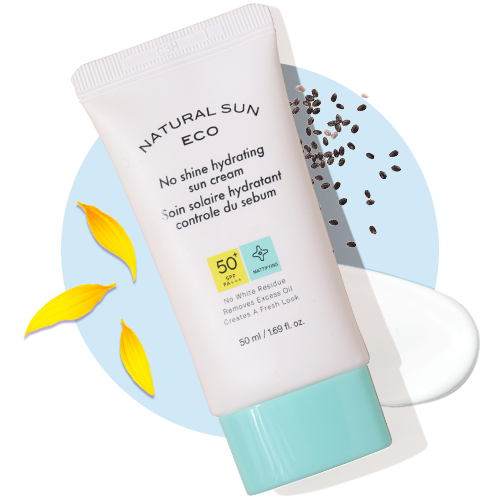
- Never skip sunscreen, even on cloudy days. Monsoon UV rays can still cause pigmentation. Browse our Korean Sunscreen range for lightweight, sweat-resistant formulas.
Tip: Apply moisturizer while skin is still damp to lock in hydration.
How to Choose the Right Exfoliant for Indian Skin Tones
Indian skin is more prone to PIH and uneven tone, especially after inflammation. The right exfoliant should:
- Contain gentle acids like mandelic acid (AHA), salicylic acid (BHA), or PHAs.
- Be formulated at a pH of 3.5–4.5 for maximum efficacy without irritation.
- Include soothing agents like allantoin or panthenol to calm skin.
Counterintuitive fact: Over-exfoliating can make pigmentation worse. Limit chemical exfoliation to 2–3 times per week during monsoon, and always patch test new products.
Common Mistakes Indians Make with Exfoliation (And How to Fix Them)
- Using scrubs too often: Physical exfoliation more than once a week can damage the skin barrier.
- Skipping sunscreen: Exfoliated skin is more sensitive to sun, increasing risk of dark spots.
- Mixing too many actives: Combining strong acids, retinoids, and vitamin C can cause irritation.
- Ignoring hydration: Dehydrated skin is more prone to breakouts and dullness.
Fix: Stick to a simple routine. Cleanse, gently exfoliate, hydrate, and protect. Monitor your skin’s response and adjust frequency as needed.
Real-Life Example: A 3-Step Routine for Oily, Acne-Prone Skin in Mumbai
Meet Priya, a 27-year-old marketing professional from Mumbai. During monsoon, she struggled with persistent breakouts and oily skin. Here’s how she adapted her routine:
- Cleanser: Switched to Tea Tree Pore Clarifying Gel Cleanser (INR 900), which controlled oil without drying.
- Exfoliant: Introduced a PHA-based toner twice a week, reducing blackheads and congestion.
- Moisturizer & Sunscreen: Used a lightweight gel moisturizer and Korean Sunscreen daily, even on rainy days.
Result: Within four weeks, Priya noticed fewer breakouts, smoother skin texture, and less oiliness. Her routine cost under INR 2,500 per month - proving effective K-Beauty doesn’t have to break the bank.
Trade-Offs: Physical vs. Chemical Exfoliation in Indian Monsoon
| Physical Exfoliation | Chemical Exfoliation |
|---|---|
| Instantly smooth feel | Gradual, deeper pore cleansing |
| Risk of micro-tears, irritation | Lower risk if using PHAs or low-strength acids |
| Not suitable for sensitive or acne-prone skin | Customizable for all skin types |
| Often overused in India | Requires careful frequency and sun protection |
For Indian monsoon skin, chemical exfoliation with PHAs or gentle BHAs is safer and more effective for most people.
Mini-Checklist: Building Your Monsoon-Proof K-Beauty Routine
- Choose a gentle, pH-balanced cleanser (Rice Water Bright Cleansing Foam or Tea Tree Gel Cleanser)
- Use a gentle chemical exfoliant (PHA or low-strength BHA) 2–3 times a week
- Hydrate with a lightweight moisturizer and serum (peptide or vitamin C)
- Apply sunscreen daily, even when indoors
- Patch test new products and monitor for irritation
Remember: Simplicity and consistency are key for Indian skin during the monsoon.
When to See a Dermatologist: Limitations of At-Home Routines
While a K-Beauty routine can dramatically improve monsoon breakouts, some cases require professional help. If you experience severe cystic acne, persistent pigmentation, or allergies, consult a board-certified Indian dermatologist. Prescription treatments like tretinoin or azelaic acid may be needed for stubborn cases.
Always introduce new products slowly and discontinue use if you notice burning, swelling, or severe redness.
FAQ
How often should I exfoliate during the Indian monsoon?
Limit exfoliation to 2–3 times per week with a gentle chemical exfoliant. Over-exfoliating can worsen sensitivity and pigmentation, especially in humid Indian weather.
Can I skip moisturizer if my skin feels oily in the monsoon?
No. Even oily skin needs hydration. Use a lightweight, non-comedogenic moisturizer to prevent dehydration and excess oil production.
Is sunscreen necessary during cloudy or rainy days in India?
Yes. UV rays penetrate clouds and can cause pigmentation even during monsoon. Choose a sweat-resistant sunscreen suitable for Indian humidity.
Why do physical scrubs make my breakouts worse?
Physical scrubs can create micro-tears in the skin, making it more vulnerable to bacteria and inflammation. Chemical exfoliants are safer for most Indian skin types.
What should I do if my skin reacts to a new exfoliant?
Stop using the product immediately. Rinse with cool water, apply a soothing moisturizer, and consult a dermatologist if irritation persists or worsens.