
Quick Summary
Are your K-Beauty cleansers helping or harming your skin during the Indian monsoon? Dermatologists reveal the truth about cleansing myths, best practices, and how to pick the right formula for breakout-prone skin.
Monsoon in India brings much-needed relief from the heat, but it also introduces a new set of skincare challenges. If you’re a K-Beauty fan, you might wonder: is your beloved cleanser helping or secretly worsening those pesky monsoon breakouts? Let’s unpack the science, myths, and dermatologist-backed advice for the Indian climate.
1. Monsoon Skin: Why Cleansing Needs Change in Humid Indian Weather
During the monsoon, high humidity and fluctuating temperatures can disrupt your skin’s natural balance. Dermatologists in Mumbai and Chennai report a spike in acne and fungal breakouts, especially among those with oily or combination skin. Excess sweat, pollution, and sebum mix to clog pores more easily. This means your cleansing routine needs a seasonal update - not just a rinse and repeat.
- Fact: Over-cleansing can strip your skin, but under-cleansing leaves grime and bacteria behind.
- India-specific tip: Urban pollution and hard water can worsen irritation, so gentle yet effective cleansing is crucial.
2. K-Beauty Cleansers: What Makes Them Unique for Indian Monsoon?
K-Beauty cleansers are popular for their gentle, skin-barrier-friendly formulas. Many use low pH, hydrating ingredients, and avoid harsh sulfates. But not all are created equal. For Indian monsoon skin, look for:
- Low pH (5.5-6): Helps maintain the skin’s acid mantle, crucial for fighting bacteria and fungus.
- Hydrating ingredients: Rice water, hyaluronic acid, and ceramides prevent post-wash tightness.
- Non-comedogenic: Won’t clog pores, reducing the risk of breakouts.
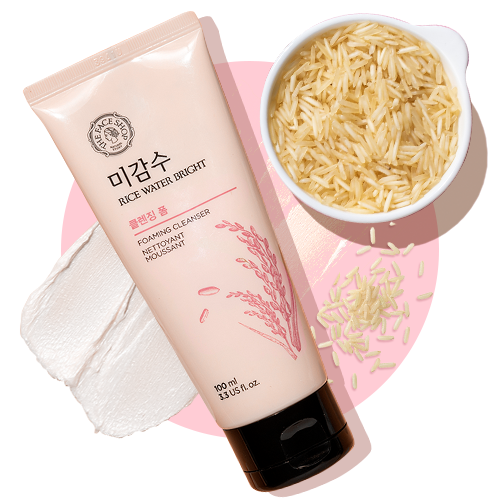
For example, Rice Water Bright Cleansing Foam from The Face Shop is formulated with rice water and moringa oil, making it suitable for humid Indian weather.
3. Myth-Busting: Does More Foam Mean More Clean?
Many Indian consumers believe a foamy lather equals a deeper clean. Dermatologists clarify that excessive foam often comes from sulfates, which can strip natural oils and disrupt the skin barrier. This is especially risky in the monsoon, when your skin is already battling excess moisture and pollution.
- Counterintuitive fact: Less foam can actually mean a gentler, more effective cleanse.
- Look for sulfate-free, low-foam cleansers that rinse clean without residue.
4. Ingredient Deep Dive: What to Seek and What to Skip in Monsoon Cleansers
Indian dermatologists recommend focusing on ingredients that soothe and protect, rather than those that dry or irritate.
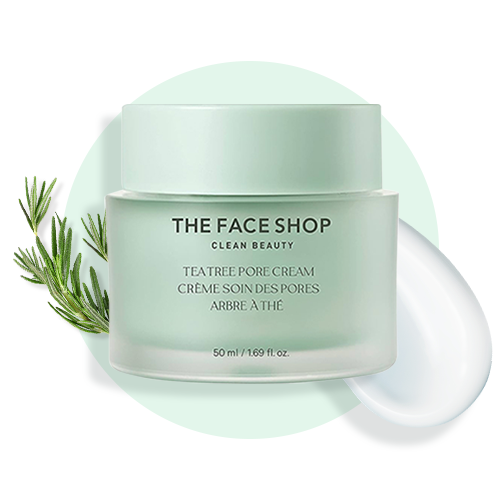
- Seek: Rice water, centella asiatica, tea tree oil (for acne-prone skin), panthenol, ceramides, amino acids.
- Skip: Alcohol, strong fragrances, harsh sulfates, and scrubs with large particles.
For sensitive or eczema-prone skin, avoid cleansers with high alcohol content or artificial dyes, which can trigger irritation in humid weather.
5. Double Cleansing: Is It Necessary in Indian Monsoon?
Double cleansing - a K-Beauty ritual involving an oil-based cleanser followed by a water-based one - can be beneficial if you wear sunscreen or makeup daily. However, for those with oily or acne-prone skin, using a lightweight, non-comedogenic oil cleanser is key. Overdoing it can backfire, leading to dryness or rebound oiliness.
- Tip: If you’re mostly indoors or wear minimal makeup, a single gentle cleanser may suffice.
- Always follow up with a hydrating toner, such as those in our Hydrating Toner collection, to restore balance.
6. Price vs. Performance: Are Expensive K-Beauty Cleansers Worth It in India?
Indian consumers often wonder if higher-priced K-Beauty cleansers deliver better results. The truth: many affordable options (INR 500–1200) offer excellent value, especially if they’re formulated for sensitive or monsoon-prone skin. Focus on ingredient quality and suitability for your skin type, not just the price tag.
- Checklist:
- Check for low pH and non-comedogenic claims.
- Read ingredient lists for hydrating and soothing agents.
- Look for dermatologist-tested or hypoallergenic labels.
Browse our Best Korean Cleansers collection for options that balance quality and affordability for Indian skin.
7. Sensitive Skin? How to Avoid Monsoon Irritation and Breakouts
Monsoon humidity can trigger flare-ups in sensitive skin. Dermatologists recommend patch-testing new cleansers and avoiding formulas with strong fragrances or exfoliating beads. Stick to gentle, hydrating cleansers and always moisturize after washing - even in humid weather.
- Mini-checklist for sensitive skin:
- Choose fragrance-free or lightly scented products.
- Opt for creamy or gel-based cleansers with soothing ingredients.
- Limit cleansing to twice daily - morning and night.
8. Building Your Monsoon-Proof K-Beauty Routine: Step-by-Step for Indian Skin
To keep breakouts at bay and maintain healthy skin during the monsoon, follow this dermatologist-approved K-Beauty routine:
- Cleanse: Use a gentle, low pH cleanser suited for your skin type.
- Tone: Apply a hydrating toner to rebalance and prep your skin.
- Treat: Use serums with centella asiatica or niacinamide for calming and brightening.
- Moisturize: Choose lightweight, non-comedogenic moisturizers.
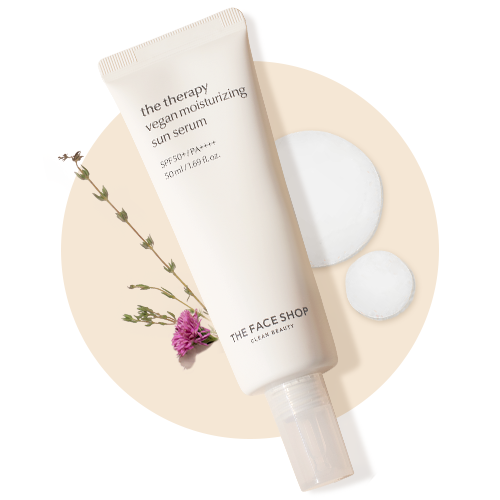
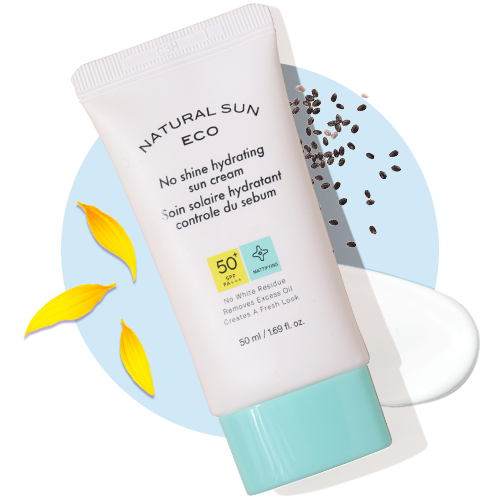
- Protect: Even on cloudy days, use a broad-spectrum sunscreen like our NaturalSun Eco No Shine Hydrating Sun Cream.
Remember, consistency is key. Adjust your routine based on how your skin feels and reacts to the changing weather.
9. Common Mistakes to Avoid: What Indian Dermatologists Want You to Know
- Using hot water to wash your face - lukewarm is best to avoid irritation.
- Skipping sunscreen on rainy days - UV rays penetrate clouds and can worsen pigmentation.
- Switching products too frequently - give your skin time to adjust.
- Ignoring fungal acne - if you notice persistent, itchy breakouts, consult a dermatologist for targeted care.
10. Final Word: Choose Smart, Not Just Trendy
Not all K-Beauty cleansers are created equal for the Indian monsoon. Focus on gentle, low pH, and hydrating formulas that suit your skin’s needs. Read labels, patch-test, and don’t be swayed by trends alone. With the right cleanser, you can enjoy clear, comfortable skin all season long.
FAQ
Are K-Beauty cleansers safe for sensitive skin during the Indian monsoon?
Yes, many K-Beauty cleansers are formulated with gentle, low pH ingredients ideal for sensitive skin. Look for fragrance-free or hypoallergenic options and always patch-test before full use.
Should I double cleanse every day in the monsoon?
Double cleansing is helpful if you wear sunscreen or makeup daily, but not always necessary. For oily or acne-prone skin, use lightweight, non-comedogenic cleansers and avoid over-cleansing.
Do I need to spend more on K-Beauty cleansers for better results?
Not necessarily. Many affordable K-Beauty cleansers (INR 500–1200) offer excellent results. Focus on ingredient quality and suitability for your skin type rather than just price.
What ingredients should I avoid in cleansers during the monsoon?
Avoid harsh sulfates, alcohol, strong fragrances, and abrasive scrubs. These can irritate skin and worsen breakouts in humid weather.
Can I skip moisturizer after cleansing in humid weather?
No, even in humid monsoon conditions, moisturizing helps maintain your skin barrier. Choose a lightweight, non-comedogenic moisturizer suitable for your skin type.