
Quick Summary
Curious if K-Beauty rice water can deliver 'glass skin' for Indian skin types? Dermatologists explain the science, benefits, and realistic results, plus how to choose the right products for your needs.
Rice water is everywhere in K-Beauty, promising the coveted 'glass skin' look. But does it live up to the hype, especially for Indian skin types and concerns? We asked dermatologists and reviewed the science so you can make an informed choice for your skincare routine.
1. What Is 'Glass Skin' and Why Is It Trending in India?
'Glass skin' refers to a complexion that looks smooth, luminous, and almost poreless like glass. The trend, rooted in Korean beauty routines, has gained popularity in India thanks to social media and the rise of K-Beauty brands. But achieving this look on Indian skin, which often faces unique challenges like humidity, pollution, and pigmentation, requires understanding what truly works.
- Key fact: Over 60% of Indian consumers now search for 'glass skin' routines online (source: Nykaa 2023 report).
- Indian context: Indian skin tends to be more prone to hyperpigmentation and uneven tone, making the glass skin goal both appealing and challenging.
2. Rice Water in K-Beauty: What’s the Science?
Rice water, the starchy liquid left after soaking or boiling rice, is rich in vitamins (B, E), amino acids, and antioxidants. Korean beauty routines use it for its brightening and soothing properties. But what does research say?
- Studies (see NCBI) show rice water can improve skin barrier function and reduce irritation.
- Its natural antioxidants help combat free radical damage from sun and pollution both major concerns in Indian cities.
However, results depend on concentration, formulation, and regular use.
3. How Does Rice Water Work for Indian Skin Types?
Indian skin is diverse ranging from oily and acne-prone to dry and sensitive. Dermatologists note rice water’s gentle nature makes it suitable for most skin types, but with some caveats:
- Oily/Combination skin: Rice water can help control excess sebum and refine pores without stripping natural oils.
- Dry skin: Its hydrating amino acids support moisture retention, especially when paired with a good moisturizer.
- Sensitive skin: Rice water is less likely to irritate compared to actives like AHAs, but always patch test first.
Pro tip: In humid Indian summers, rice water-based cleansers and toners feel light and non-greasy.
4. Can Rice Water Really Brighten and Fade Pigmentation?
Hyperpigmentation and uneven tone are top concerns for Indian consumers. Rice water contains inositol and ferulic acid, which may help:
- Inhibit melanin production, reducing dark spots over time.
- Even out skin tone with consistent use.
However, dermatologists caution that rice water is not a miracle cure. For stubborn pigmentation, combining rice water with proven actives like niacinamide or vitamin C (in a dermatologist-approved routine) yields better results.
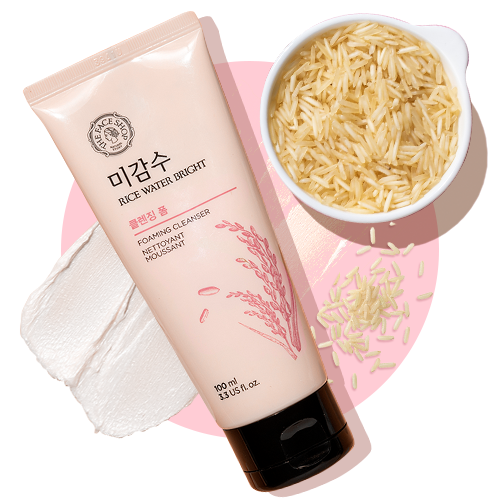
For a gentle start, try Rice Water Bright Cleansing Foam as your daily cleanser.
5. What Are the Realistic Results? How Long Does It Take?
Expect gradual improvement, not overnight transformation. Most users in India report:
- Brighter, softer skin within 2-4 weeks of regular use.
- Noticeable reduction in dullness and rough texture.
- Some fading of mild pigmentation after 6-8 weeks.
Results depend on your skin type, routine consistency, and sun protection. For best value, look for products in the INR 500-1200 range that list rice water high in the ingredients list.
6. How to Choose the Right Rice Water Product for Indian Skin
With so many K-Beauty options, here’s how to pick wisely:
- Check the ingredient list: Rice water or rice extract should be among the top ingredients.
- Texture matters: For oily skin, opt for lightweight foams or gels. For dry skin, creams or lotions work better.
- Look for added benefits: Products with niacinamide, hyaluronic acid, or ceramides offer extra hydration and barrier support.
- Consider The Face Shop Rice Water Bright Vegan Cream for a nourishing finish.
Always patch test new products, especially if you have sensitive or reactive skin.
7. DIY vs. Store-Bought: Which Is Better for Indian Consumers?
DIY rice water is budget-friendly (costing less than INR 20 per batch), but:
- Homemade versions lack preservatives, so spoil quickly in Indian heat.
- Concentration and pH are inconsistent, which may reduce efficacy or cause irritation.
- Store-bought products are formulated for safety, stability, and optimal results worth the extra spend for most urban Indian consumers.
For those seeking convenience and consistent results, professionally formulated products are the safer bet.
8. How to Build a Rice Water Routine for 'Glass Skin' in India
Here’s a dermatologist-inspired routine tailored for Indian conditions:
- Cleanse: Use Rice Water Bright Cleansing Foam morning and night.
- Tone: Apply a gentle, alcohol-free toner with rice extract.
- Treat: Layer a serum with niacinamide or vitamin C for pigmentation.
- Moisturize: Lock in hydration with The Face Shop Rice Water Bright Vegan Cream.
- Protect: Always finish with a broad-spectrum sunscreen (SPF 30+), crucial for Indian sun exposure.
Tip: For dry body skin, explore our body lotion collection for rice-infused options.
9. What Are the Limitations and Who Should Avoid Rice Water?
Rice water is generally safe, but:
- Those with rice allergies should avoid it.
- If you have active eczema or open wounds, consult a dermatologist first.
- Results may be subtle for deep pigmentation or severe acne scars professional treatments may be needed.
Always introduce new products gradually and monitor for any irritation.
10. The Verdict: Is Rice Water Worth It for Indian Skin?
Rice water can be a gentle, effective addition to your skincare routine, especially for brightening and hydration. While it won’t erase pigmentation overnight, it supports a healthy, luminous look when used consistently and is well-suited to Indian skin’s needs. For best results, combine with sun protection and proven actives, and choose reputable products from trusted brands like The Face Shop.
FAQ
Does rice water suit all Indian skin tones?
Yes, rice water is generally safe for all Indian skin tones, but always patch test to check for sensitivity.
How often should I use rice water products?
Daily use is safe for most, but start with 2-3 times a week if you have sensitive skin.
Can rice water help with acne?
Rice water’s soothing and oil-controlling properties may help mild acne, but it’s not a substitute for targeted acne treatments.
Is DIY rice water safe in Indian climates?
DIY rice water can spoil quickly in heat and humidity. Store-bought options are safer and more effective for Indian conditions.
What’s the best rice water product for beginners?
Start with a gentle cleanser like Rice Water Bright Cleansing Foam for easy daily use.