
Quick Summary
Discover a step-by-step K-Beauty rice water layering routine tailored for Indian skin and monsoon humidity. Get the coveted glass skin glow without stickiness, using evidence-backed, non-greasy methods and INR-friendly product picks.
Dreaming of that luminous, poreless 'glass skin' look but worried about sticky, greasy skin during India's humid monsoon? The K-Beauty rice water layering routine offers a science-backed, non-sticky path to radiance - if you know how to adapt it for Indian complexions and climate. This guide breaks down each step, shares INR-friendly product picks, and explains why rice water is a monsoon skincare hero.
Why Rice Water? The Science and Tradition Behind the Glow
Rice water has been a staple in Asian beauty rituals for centuries, but what makes it so effective for Indian skin, especially during monsoon? Rich in antioxidants, amino acids, and minerals, rice water helps brighten, hydrate, and soothe skin. Studies published in the Journal of Cosmetic Chemists show rice water can improve skin barrier function and reduce inflammation - key for tackling monsoon-induced breakouts and dullness.
- Brightening: Rice water contains ferulic acid and allantoin, which help fade pigmentation and even out skin tone - common concerns for Indian skin.
- Hydration without heaviness: Its lightweight texture delivers moisture without clogging pores, ideal for humid weather.
- Soothing: Calms irritation from sweat, pollution, and frequent cleansing during monsoon.
In India, rice water is easily accessible and cost-effective, making it a smart addition to any skincare routine.
Step 1: Gentle Cleansing - The Foundation of Glass Skin
Monsoon brings increased oil, sweat, and pollution. Start with a gentle, non-stripping cleanser to remove grime without disrupting your skin barrier. Over-cleansing can trigger more oil production, so choose wisely.
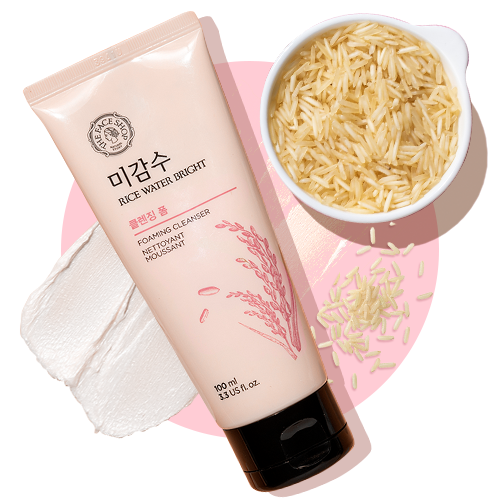
- For normal to dry skin: Try Rice Water Bright Cleansing Foam - it cleanses deeply but leaves skin soft, not tight.
- For oily or acne-prone skin: Explore our Charcoal & Detox Cleanser for Oily Skin collection for extra oil control without harshness.
Pro tip: Use lukewarm water, as hot water can worsen monsoon sensitivity and dryness.
Step 2: The Double Cleanse - Is It Necessary in Indian Monsoon?
Double cleansing is a K-Beauty staple, but is it overkill for Indian skin in humid weather? If you wear sunscreen or makeup daily (which you should, even on cloudy days), a lightweight cleansing oil like Rice Water Bright Light Cleansing Oil dissolves residue without leaving a greasy film. This step prevents clogged pores and breakouts, common during monsoon.
- Use a small amount and rinse thoroughly to avoid any leftover oiliness.
- Skip this step if you have extremely oily skin and do not wear makeup - over-cleansing can backfire.
INR Value Tip: Investing in a quality cleansing oil can last 2-3 months, making it cost-effective at roughly ₹15-20 per use.
Step 3: Rice Water Layering - The Heart of the Routine
This is where the magic happens. Layering rice water-based products delivers hydration in thin, buildable layers, preventing the heavy, sticky feel that plagues many during monsoon.
- Toner: After cleansing, apply a hydrating toner. Our Hydrating Toner collection features lightweight formulas that prep skin for better absorption.
- Essence: Pat in a rice water essence (or DIY with cooled, strained rice water). Let each layer absorb fully before the next.
- Moisturiser: Finish with Rice Water Bright Vegan Cream - a non-greasy, vegan formula that locks in moisture without heaviness.
Counterintuitive fact: Applying several thin layers hydrates more effectively than one thick cream, especially in high humidity.
Step 4: Targeted Treatments - Addressing Indian Skin Concerns
Indian skin often faces pigmentation, acne, and sensitivity, especially during monsoon. Layer in targeted serums with proven ingredients:
- Niacinamide: Reduces dark spots and controls oil.
- Hyaluronic Acid: Attracts water to the skin without stickiness.
- Alpha Arbutin: Fades stubborn pigmentation.
Apply these after your essence but before moisturiser. Always patch-test new actives, as humidity can increase sensitivity.
Step 5: Sunscreen - Yes, Even in Monsoon!
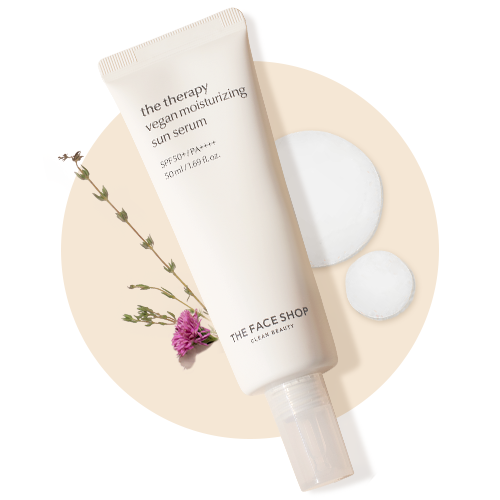
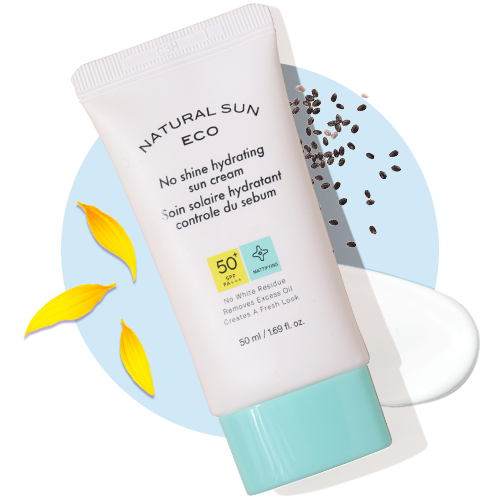
UV rays penetrate clouds, and monsoon sun can still cause tanning and pigmentation. Choose a lightweight, non-comedogenic sunscreen with at least SPF 30. Look for gel or water-based formulas that won’t feel greasy in humidity.
- Apply generously every morning, and reapply if outdoors or after sweating.
- INR Value Tip: Investing in sunscreen prevents costly pigmentation treatments later.
Pro tip: Layer sunscreen as the final step in your morning routine, after all rice water products have absorbed.
Monsoon-Safe Layering: Avoiding Stickiness and Breakouts
Humidity can make even the best products feel heavy. Here’s how to keep your glass skin routine non-sticky:
- Use lightweight, water-based products - avoid thick creams or occlusive oils.
- Let each layer absorb fully before applying the next (wait 30-60 seconds).
- Blot excess oil with tissue midday if needed - don’t over-wash.
- Stick to 3-5 layers; more isn’t always better in Indian weather.
Mini-checklist for non-sticky layering:
- Choose gel or fluid textures
- Apply in thin, even layers
- Monitor for congestion or breakouts - adjust as needed
DIY or Store-Bought? Comparing Approaches for Indian Consumers
Homemade rice water is budget-friendly (just soak and strain rice), but store-bought products like those from The Face Shop offer:
- Consistent concentration of actives
- Added skin-friendly ingredients (like niacinamide or ceramides)
- Longer shelf life and safety testing
DIY rice water can spoil quickly in Indian heat and may lack stabilisers. For sensitive skin or those seeking visible results, store-bought is often safer and more effective, though slightly higher in upfront INR cost.
How to Personalise Your Routine for Indian Skin Tones and Budgets
Every Indian skin tone is unique, and so are our budgets. Here’s how to tailor your routine:
- For deeper skin tones: Focus on brightening and anti-pigmentation steps, as uneven tone is a common concern.
- For oily skin: Use fewer layers and opt for mattifying, non-comedogenic formulas.
- For dry or combination skin: Layer more hydrating products, especially at night.
- Budget tip: Prioritise essentials - cleanser, toner, and moisturiser. Add serums and essences as your budget allows.
Remember, consistency matters more than expensive products. Even a basic rice water routine can deliver glass skin results over time.
Common Mistakes to Avoid in Monsoon K-Beauty Routines
- Using heavy creams or oils that trap sweat and cause breakouts
- Skipping sunscreen - clouds do not block UV rays
- Not patch-testing new products, leading to irritation in humid weather
- Layering too many actives at once - less is more during monsoon
Stick to the basics, listen to your skin, and adjust as needed for the best results.
Conclusion: Your Path to Glass Skin in Indian Monsoon
The K-Beauty rice water layering routine is a proven, INR-friendly way to achieve glass skin glow without stickiness - even in India’s challenging monsoon. By choosing the right products, layering thoughtfully, and personalising for your skin’s needs, you can enjoy luminous, healthy skin all season long.
FAQ
Is rice water safe for all Indian skin types?
Yes, rice water is generally safe for all skin types, but always patch-test first, especially if you have sensitive or allergy-prone skin.
How often should I use rice water products during monsoon?
Daily use is safe for most, but adjust frequency if you notice irritation or breakouts. Start with alternate days if you’re new to rice water.
Can I use homemade rice water instead of store-bought?
Yes, but store-bought products are more stable and often contain added beneficial ingredients. Homemade rice water should be used within 2-3 days and kept refrigerated.
Will this routine help with pigmentation and acne?
Rice water can help fade pigmentation and soothe acne, especially when combined with targeted actives like niacinamide. Results may take 4-6 weeks of consistent use.
What should I avoid in my routine during monsoon?
Avoid heavy creams, occlusive oils, and skipping sunscreen. Stick to lightweight, hydrating layers and always patch-test new products.