
Quick Summary
Discover how to master the K-Beauty rice water routine for 'Glass Skin' in India’s hard water zones. Learn expert layering, product picks, and science-backed tips for radiant, hydrated skin.
Rice water is a beloved K-Beauty staple, but if you live in an Indian city with hard water, you might be missing out on its true glow-boosting potential. This guide will show you how to optimize your rice water routine for 'Glass Skin' - even if your tap water is loaded with minerals. We’ll break down the science, layering techniques, and India-specific product picks so you can finally get that luminous, hydrated look.
1. Why Hard Water in India Changes Everything for Your Skin
Did you know that over 60% of Indian households receive hard water? Cities like Delhi, Bengaluru, and Jaipur often have water with high calcium and magnesium content. This can leave a stubborn residue on your skin, making it feel dry, tight, or even bumpy. Hard water can also interfere with how well your skincare absorbs - especially delicate actives like rice water.
- Common signs: Persistent dullness, clogged pores, or a film after cleansing.
- Counterintuitive fact: Even the best K-Beauty routines can underperform if you don’t adapt them for hard water.
2. Rice Water: Traditional Wisdom Meets Modern K-Beauty Science
Rice water has been used for centuries in Asia for brightening and soothing skin. Modern K-Beauty takes it further by fermenting rice water and combining it with humectants like glycerin and hyaluronic acid. These ingredients help attract and lock in moisture, which is crucial for Indian skin exposed to hard water and pollution.
- Evidence: Studies show rice water can improve skin barrier function and reduce inflammation (source).
- India-specific tip: Look for products that combine rice water with hydrating agents to counteract mineral buildup from hard water.
3. The Layering Secret: How to Apply Rice Water for Maximum Glow
Layering is the heart of K-Beauty. In hard water zones, the order and method matter even more. Here’s a step-by-step layering routine tailored for Indian conditions:
- Double cleanse: Start with an oil cleanser, then a gentle foaming cleanser to remove hard water residue.
- Toner: Use a hydrating or rice toner to rebalance pH and prep skin.
- Rice water essence: Pat on a rice water-based essence or DIY rice water (filtered or boiled with RO water for best results).
- Serum: Follow with a hydrating serum containing hyaluronic acid or niacinamide.
- Moisturizer: Seal in with a lightweight, non-comedogenic cream.
Mini-checklist for hard water:
- Always use filtered or RO water for DIY rice water.
- Layer hydrating products before occlusives.
- Pat, don’t rub, to avoid irritation.
4. Cleansing: The Foundation for Rice Water Success
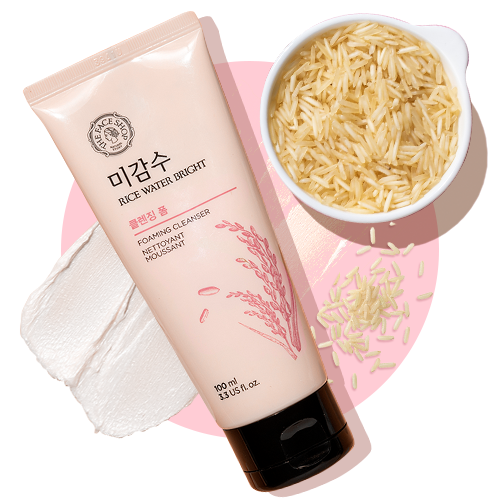
Hard water can leave mineral deposits that block the benefits of rice water. A proper double cleanse is essential. Start with the Rice Water Bright Light Cleansing Oil 55ml to dissolve makeup and sunscreen. Follow with Rice Water Bright Cleansing Foam 100 ml to remove impurities and soften the mineral film left by hard water.
- Pro tip: These cleansers are gentle, pH-balanced, and formulated for Indian skin types.
- Value: Both products are available for under INR 1,000 each, making them accessible for most Indian skincare budgets.
5. Toners and Essences: Choosing the Right Formula for Indian Water
After cleansing, a toner is your first defense against hard water’s drying effects. Opt for a hydrating toner or a rice toner. The Rice Toner collection offers formulas that balance skin’s pH and infuse it with brightening rice extracts. If you prefer a broader range, explore the Hydrating Toner collection for options suited to humid Indian climates.
- India-specific insight: Toners with panthenol, glycerin, or betaine help counteract the tightness caused by hard water.
- Application tip: Use hands or a cotton pad soaked in toner, gently pressing into skin.
6. DIY Rice Water: Safe Preparation for Indian Homes
If you love DIY, rice water can be made at home - but water quality is key. Always use RO or filtered water to soak or boil rice. Avoid using tap water directly, especially in cities with visible scaling on taps or kettles.
- Quick recipe: Rinse 1/2 cup of rice, soak in 2 cups of RO water for 30 minutes, strain, and store in the fridge for up to 3 days.
- Limitation: DIY rice water lacks preservatives, so always patch test and discard if it smells off.
7. Moisturizing and Sealing: Locking in Hydration for Glass Skin
After layering rice water, a lightweight moisturizer is essential to seal in hydration. The Rice Water Bright Vegan Cream 50ml is formulated to work with Indian humidity and hard water conditions. It contains rice extracts, niacinamide, and emollients that prevent moisture loss without feeling greasy.
- Trade-off: Gel-based creams absorb quickly but may need reapplication in dry climates; richer creams offer longer-lasting hydration but can feel heavy in summer.
- INR value: This cream delivers premium K-Beauty results at a mid-range price, making it a smart investment for Indian skin.
8. Common Mistakes: Why Your Rice Water Routine Isn’t Working
Many Indian users report lackluster results with rice water. Here’s why:
- Using tap water for DIY rice water - minerals can destabilize the formula and irritate skin.
- Skipping the double cleanse - hard water residue blocks absorption.
- Layering too quickly - give each step 30-60 seconds to absorb.
- Not sealing with moisturizer - especially important in dry or air-conditioned environments.
Mini-checklist: Review your routine if you notice dryness, dullness, or breakouts.
9. Real Results: What to Expect (and What Not To)
With consistent use and the right technique, most Indian users see:
- Brighter, more even skin tone within 2-4 weeks.
- Smoother texture and reduced roughness from hard water.
- Better absorption of serums and actives.
Limitations: Rice water is not a cure-all for severe pigmentation or acne. For persistent concerns, consult a dermatologist.
10. Routine Recap: Your India-Optimized K-Beauty Rice Water Routine
Here’s a quick summary for busy mornings and evenings:
- AM: Gentle cleanse, rice toner, rice water essence, hydrating serum, lightweight moisturizer, sunscreen.
- PM: Double cleanse, hydrating/rice toner, rice water essence, serum, richer moisturizer.
For best results, stick to this routine for at least 4 weeks. Adjust product textures based on season and skin needs.
FAQ
Can I use rice water daily if I live in a hard water city?
Yes, but always use filtered or RO water for DIY rice water. Store-bought rice water products are formulated to be safe for daily use.
Will rice water help with pigmentation caused by hard water?
Rice water can help brighten skin and reduce mild pigmentation, but deeper pigmentation may require additional actives like niacinamide or vitamin C.
Is it safe to use rice water on sensitive Indian skin?
Generally, yes. Always patch test first, especially with DIY rice water. Opt for products with minimal fragrance and added soothing ingredients.
How long does it take to see results from a rice water routine?
Most users notice brighter, smoother skin within 2-4 weeks of consistent use.
Should I avoid rice water if I have oily or acne-prone skin?
No, rice water is lightweight and non-comedogenic. Pair it with a gentle cleanser and oil-free moisturizer for best results.