
Quick Summary
Discover a step-by-step K-Beauty night routine tailored for Indian humidity that strengthens your skin barrier and unlocks a lasting glass skin glow. Learn practical, evidence-backed tips for resilient, radiant skin.
Dreaming of that luminous, poreless glass skin glow, but struggling with humidity, pollution, and barrier damage in India? The secret lies in a K-Beauty night routine focused on skin barrier repair. This evidence-led guide breaks down each step, explains why it matters for Indian skin, and helps you choose the right products for your needs and budget.
Why Your Skin Barrier Matters (Especially in India)
The skin barrier is your body’s natural shield, keeping moisture in and irritants out. In India’s humid climate, frequent exposure to sweat, pollution, and harsh cleansers can weaken this barrier, leading to dullness, sensitivity, and breakouts. According to dermatologists, a compromised barrier is a top cause of persistent skin issues among Indian consumers (NCBI).
- Signs of a damaged barrier: Redness, stinging, increased oiliness, or flaky patches.
- Common Indian triggers: Hard water, air pollution, over-cleansing, and strong actives.
- Barrier repair = glass skin: A healthy barrier reflects light evenly, giving that coveted glass skin look.
Step 1: Gentle Double Cleansing - But Adapted for Indian Humidity
Double cleansing is a K-Beauty staple, but in India’s heat and pollution, it’s crucial to avoid stripping your skin. Start with a lightweight cleansing oil or micellar water to remove sunscreen and dust, then follow with a gentle foaming cleanser. Avoid harsh soaps or scrubs, which can worsen barrier damage.
- Look for low pH cleansers that respect your skin’s acid mantle.
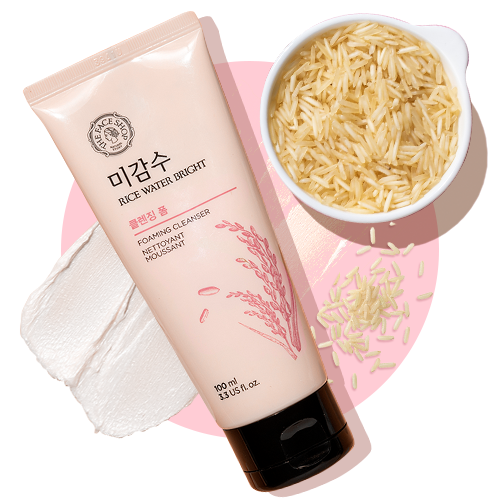
- Example: Rice Water Bright Cleansing Foam - formulated to cleanse without tightness, suitable for all Indian skin types.
- Tip: In humid cities like Mumbai or Chennai, cleanse only once at night if your skin feels dry.
Step 2: Hydrating Toner - Your First Barrier Boost
After cleansing, a hydrating toner replenishes lost moisture and preps your skin for deeper absorption. In India, opt for alcohol-free, lightweight toners with ingredients like rice extract, glycerin, or hyaluronic acid. These help counteract the drying effects of hard water and air conditioning.
- Try a hydrating toner or rice toner for instant plumping and barrier support.
- Counterintuitive fact: Even oily skin in humid climates can be dehydrated, leading to excess sebum production.
Step 3: Essence - The K-Beauty Secret for Resilience
Essences are lightweight, watery serums packed with barrier-repairing ingredients. Look for formulas with fermented extracts, niacinamide, or centella asiatica. These ingredients have been shown to soothe inflammation and strengthen the skin’s outer layer (NCBI).
- Apply with your palms for better absorption.
- In Indian humidity, choose fast-absorbing, non-sticky essences to avoid feeling greasy overnight.
Step 4: Serum - Targeted Barrier Repair for Indian Concerns
Serums deliver concentrated actives. For barrier repair, prioritize ceramides, panthenol, and madecassoside. If you’re dealing with post-acne marks or uneven tone (common in Indian skin), look for niacinamide or licorice root extract. These ingredients are proven to brighten and strengthen without irritation.
- Mini-checklist for Indian skin:
- Hyperpigmentation? Try niacinamide-based serums.
- Sensitivity? Opt for centella or panthenol.
- Budget tip: Multi-ingredient serums offer better INR value per use.
Step 5: Sheet Masks - Weekly SOS for Stressed Skin
Sheet masks are a quick way to flood your skin with moisture and calming ingredients. In India, use them 1-2 times a week, especially after sun exposure or during festival seasons when skin is more stressed.
- Choose masks with ceramides, rice extract, or centella for barrier repair.
- Browse our Masksheets collection for options suited to Indian skin tones and concerns.
- Pro tip: Store sheet masks in the fridge for a cooling effect during hot Indian nights.
Step 6: Barrier Cream - Lock in Moisture Without Feeling Heavy
Moisturizing is non-negotiable for barrier repair, even in humid India. The key is to pick a cream that hydrates deeply but absorbs quickly. Ceramide-rich creams are ideal, as they mimic the skin’s natural lipids.
- Try the Ceramide & Rice Moisturizing Skincare kit for a complete, barrier-focused regimen.
- Fact: Many Indian consumers skip moisturizer due to fear of greasiness, but this can worsen dehydration and oiliness.
- Look for INR value: Barrier creams last long, so the upfront cost is offset by fewer reapplications.
Step 7: Lip and Eye Care - Don’t Overlook These Barriers
The delicate skin around your eyes and lips is often the first to show barrier damage. Use a gentle eye cream and a nourishing lip product nightly.
- Explore our Lip Scrub collection for gentle exfoliation and hydration.
- Tip: In cities with high pollution, double up on eye and lip care to prevent dark circles and chapping.
Step 8: Lifestyle Tweaks for Long-Term Barrier Health
Skincare is only part of the equation. For lasting glass skin, consider these India-specific lifestyle tips:
- Use a soft, clean towel - avoid rubbing your face dry.
- Sleep on a silk pillowcase to reduce friction and irritation.
- Stay hydrated, especially during hot Indian summers.
- Limit spicy, oily foods if you notice frequent breakouts.
- Manage stress - cortisol spikes can weaken your skin barrier.
How to Choose K-Beauty Products for Your Budget in India
With the rising popularity of K-Beauty, Indian consumers now have access to a range of authentic products. Here’s how to maximize your INR:
- Look for multi-use kits (like the Ceramide & Rice Moisturizing Skincare kit) for better value.
- Check ingredient lists for proven actives like ceramides, niacinamide, and centella.
- Buy from trusted retailers to avoid counterfeit products.
- Remember: Investing in barrier repair saves money on treatments for future skin issues.
Common Mistakes to Avoid in Indian Humidity
- Over-cleansing or using hot water, which strips natural oils.
- Skipping moisturizer due to fear of sweat or oiliness.
- Layering too many actives at once - this can backfire in humid climates.
- Ignoring patch tests, especially if you have sensitive or melanin-rich skin.
Remember, consistency and patience are key. Most users in India see visible improvements in 4-8 weeks with a dedicated barrier repair routine.
Ready to Start Your K-Beauty Barrier Repair Journey?
Building a K-Beauty night routine for barrier repair is a smart investment in your skin’s long-term health and glow. Focus on gentle, hydrating steps, choose products suited for Indian humidity, and give your skin time to heal. For curated, authentic K-Beauty picks, explore The Face Shop’s collections and enjoy the journey to resilient, glass-like skin.
FAQ
How do I know if my skin barrier is damaged?
Common signs include redness, stinging, increased oiliness, or flaky patches. If your skin feels sensitive or reacts to products that were previously fine, your barrier may be compromised.
Can I use K-Beauty products if I have oily or acne-prone skin in India?
Yes. Many K-Beauty products are lightweight and non-comedogenic, making them suitable for oily or acne-prone Indian skin. Focus on hydrating, barrier-supporting ingredients rather than harsh actives.
How long does it take to see results from a barrier repair routine?
Most people notice improvements in hydration and sensitivity within 2 weeks, with visible glass skin results in 4-8 weeks of consistent use.
Are K-Beauty products expensive in India?
While some products may have a higher upfront cost, many offer excellent INR value due to their concentrated formulas and long-lasting use. Look for multi-use kits or bundles for savings.
Do I need to use all 8 steps every night?
No. Adapt the routine to your needs—focus on gentle cleansing, hydration, and barrier cream nightly. Add sheet masks or targeted serums 2-3 times a week as needed.