
Quick Summary
Discover how to choose the right Korean sunscreen for oily, acne-prone Indian skin. Learn about dewy finishes, key ingredients, and what to avoid for clear, protected skin in India's humid climate.
For many Indian skincare lovers, the promise of a radiant, dewy glow from Korean sunscreens is irresistible. But if you have oily or acne-prone skin, that coveted sheen can sometimes turn into a breakout nightmare - especially in our humid climate. This guide will help you decode why certain dewy sunscreens may be clogging your pores and how to choose the right K-beauty sun protection for clear, healthy skin in India.
Understanding Dewy Sunscreens: Glow vs. Grease in Indian Weather
In K-beauty, 'dewy' usually means a hydrated, luminous finish. However, in India's heat and humidity, what looks fresh on Korean influencers can feel sticky or greasy by midday. For oily skin, this can lead to excess shine and clogged pores. According to Indian dermatologists, the combination of sweat, sebum, and heavy sunscreen textures is a common trigger for breakouts during summer months.
- Fact: A 2023 survey by Nykaa found that over 60% of Indian consumers with oily skin reported sunscreen-related breakouts in humid weather.
- Tip: Look for the term 'non-comedogenic' on labels to reduce clogging risk.
Key Ingredients: What to Seek and What to Skip
Not all dewy sunscreens are created equal. For oily, acne-prone skin, ingredient selection is crucial. Here’s what to look for:
- Seek: Niacinamide (controls oil), Centella Asiatica (soothes), Green Tea (antioxidant), Hyaluronic Acid (lightweight hydration).
- Skip: Heavy oils (like coconut oil), artificial fragrances, and high levels of silicones, which can trap sweat and sebum.
Indian consumers often benefit from gel-based or water-based formulas, which absorb quickly and leave less residue.
Texture Matters: Gel, Fluid, or Cream?
Texture can make or break your sunscreen experience. In India’s humid conditions, thick creams can feel suffocating. Instead, opt for:
- Gel Sunscreens: Lightweight, fast-absorbing, and less likely to clog pores.
- Fluid Sunscreens: Offer a barely-there feel and are ideal for layering under makeup.
For example, many K-beauty fans in Mumbai and Chennai prefer gel textures for their sweat-resistant, non-greasy finish, even after hours outdoors.
SPF and PA Ratings: What’s Best for Indian Sun?
India’s UV index is among the highest globally, especially from March to September. Dermatologists recommend:
- SPF 50 or higher for daily use, especially if you’re outdoors for extended periods.
- PA+++ or PA++++ for robust UVA protection, crucial for preventing pigmentation and premature aging.
While higher SPF can sometimes mean heavier formulas, many Korean brands now offer high-protection sunscreens in featherlight textures suitable for oily skin.
Non-Comedogenic Claims: How to Trust the Label
‘Non-comedogenic’ means a product is formulated to avoid clogging pores. However, this term isn’t strictly regulated in India. To ensure you’re getting a truly non-comedogenic Korean sunscreen:
- Check for clinical testing or dermatologist recommendations on the packaging.
- Look for reviews from Indian users with similar skin types.
- Patch test new products on your jawline for 2-3 days before full application.
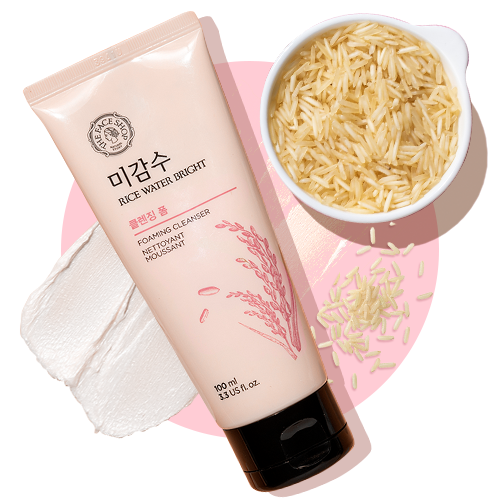
Remember, even non-comedogenic products can cause breakouts if not removed properly. Consider using a gentle cleanser like the Rice Water Bright Cleansing Foam 100 ml to ensure all sunscreen residue is washed away at the end of the day.
How to Layer Sunscreen with Other K-Beauty Products
Layering is a cornerstone of K-beauty routines, but for oily, acne-prone skin, less is often more. Here’s a simple, effective order:
- Cleanser (e.g., Rice Water Bright Cleansing Foam (150ml))
- Lightweight toner (try a hydrating toner)
- Oil-free moisturizer or emulsion (such as Ceramide & Rice Lightweight Emulsion for Barrier Repair 150ml)
- Korean sunscreen (gel or fluid, non-comedogenic)
Allow each layer to absorb fully before applying the next. This prevents pilling and helps sunscreen adhere better, even in hot weather.
Common Mistakes: Why Even the Best Sunscreen Can Break You Out
Even if you choose the right formula, certain habits can sabotage your skin:
- Over-applying: Using too much product at once can overwhelm oily skin. Stick to the recommended two-finger rule for face and neck.
- Skipping cleansing: Not removing sunscreen thoroughly can lead to clogged pores. Double cleansing is especially helpful in Indian cities with high pollution.
- Layering over heavy creams: This can trap sweat and oil, increasing breakout risk.
Pro tip: If you sweat a lot, reapply sunscreen every 2-3 hours, but use blotting papers first to remove excess oil.
Price vs. Performance: Are Premium Korean Sunscreens Worth It in India?
With K-beauty’s popularity, Indian consumers can now find Korean sunscreens ranging from INR 800 to INR 2,500. While premium options often boast advanced filters and skin-soothing ingredients, many mid-range products deliver excellent protection and finish for oily skin.
- Premium (INR 1,800+): Usually offer innovative textures, added antioxidants, and better UVA/UVB balance.
- Mid-range (INR 1,000–1,500): Often provide similar protection with slightly simpler formulas.
Always check for authenticity and buy from trusted retailers to avoid counterfeit products.
Making Your Choice: A Quick Decision Checklist for Oily, Acne-Prone Indian Skin
- Is the sunscreen labeled non-comedogenic and tested for oily skin?
- Does it have a gel or fluid texture?
- Is the SPF 50+ and PA+++ or higher?
- Are the key ingredients suitable for acne-prone skin (niacinamide, centella, green tea)?
- Is it easy to remove with your current cleanser?
- Does it fit your budget (INR 1,000–2,000 is typical for quality K-beauty sunscreens in India)?
By following this checklist, you can confidently select a sunscreen that delivers the dewy glow you want - without the breakouts you dread.
FAQs: Your Top Korean Sunscreen Questions Answered
-
Can dewy Korean sunscreens work for oily Indian skin?
Yes, if you choose non-comedogenic, gel-based formulas with lightweight hydration. Avoid heavy creams or oils. -
How often should I reapply sunscreen in India’s humid climate?
Every 2-3 hours if outdoors, especially if sweating or after wiping your face. -
Are Korean sunscreens safe for acne-prone skin?
Most are, provided they are labeled non-comedogenic and free from pore-clogging ingredients. Always patch test first. -
What’s the best way to remove sunscreen at night?
Use a gentle cleanser like Rice Water Bright Cleansing Foam 100 ml to ensure all residue is gone. -
Can I use K-beauty sunscreen under makeup?
Yes, fluid or gel sunscreens layer well under makeup and help prevent caking or excess shine.
FAQ
Can dewy Korean sunscreens work for oily Indian skin?
Yes, if you choose non-comedogenic, gel-based formulas with lightweight hydration. Avoid heavy creams or oils.
How often should I reapply sunscreen in India’s humid climate?
Every 2-3 hours if outdoors, especially if sweating or after wiping your face.
Are Korean sunscreens safe for acne-prone skin?
Most are, provided they are labeled non-comedogenic and free from pore-clogging ingredients. Always patch test first.
What’s the best way to remove sunscreen at night?
Use a gentle cleanser like Rice Water Bright Cleansing Foam 100 ml to ensure all residue is gone.
Can I use K-beauty sunscreen under makeup?
Yes, fluid or gel sunscreens layer well under makeup and help prevent caking or excess shine.