
Quick Summary
Discover the top 5 Korean anti-aging serums for oily, Indian skin. Explore actives, results, and tips for humid climates—no breakouts, just youthful glow.
Oily, acne-prone skin in India faces a unique challenge: how do you prevent early signs of aging without triggering breakouts, especially in our humid climate? Korean skincare is famous for its gentle yet effective actives, but not every serum suits Indian skin or weather. This guide ranks the top 5 Korean anti-aging serums packed with proven actives, all suitable for oily Indian skin. We’ll break down ingredients, results, and trade-offs so you can make the smartest choice for your routine and budget.
Why Oily Indian Skin Ages Differently: The Science & The Struggle
Did you know that oily skin can delay wrinkles but is more prone to enlarged pores, pigmentation, and dullness? In India, high humidity and pollution add to the challenge. According to a 2018 study, Indian skin is more susceptible to pigmentation and uneven tone than fine lines in early aging. This means your anti-aging serum should focus on brightening, oil control, and barrier support, not just wrinkle reduction.
- Key concerns: Pigmentation, dullness, oily T-zone, sensitivity
- What to avoid: Heavy oils, comedogenic ingredients, harsh actives
- What to look for: Niacinamide, Vitamin C, gentle exfoliants (PHA, LHA), lightweight hydration
How We Ranked These Serums: Ingredients, Results, and Real-World Value
Our ranking is based on three pillars:
- Actives & Formulation: Does it use proven anti-aging ingredients suitable for oily, Indian skin?
- Breakout Safety: Is it non-comedogenic and lightweight for humid Indian weather?
- Value for Money: Does it deliver visible results in 4-8 weeks, and is it accessible in India (INR pricing, availability)?
We also considered user reviews from Indian consumers and dermatologist insights. All recommendations are available via The Face Shop or trusted Indian retailers.
1. Niacinamide Power: The Ultimate Multi-Tasker for Oily, Aging Skin
Why it works: Niacinamide (Vitamin B3) is a superstar for oily Indian skin. It regulates sebum, fades dark spots, and strengthens the skin barrier - without clogging pores. Studies show 5% niacinamide can reduce hyperpigmentation and improve texture in as little as 4 weeks (NCBI).
- Best for: Oily, acne-prone skin with pigmentation or uneven tone
- What to expect: Brighter, smoother skin; less oiliness; fewer breakouts
- INR value: Most niacinamide serums are available between ₹900–₹1,500 for 30ml
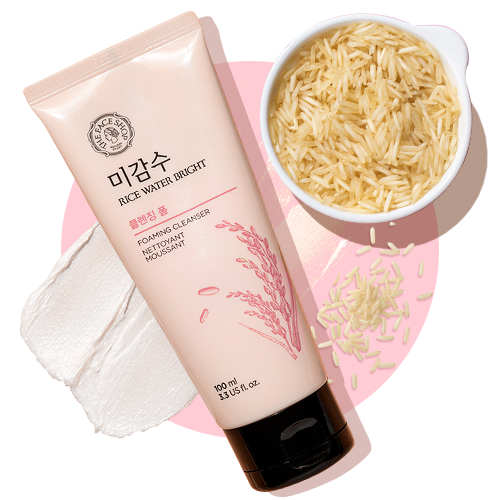
Pro tip: Layer with a gentle cleanser like Rice Water Bright Cleansing Foam for best results.
2. Vitamin C (Ascorbic Acid): Brightening and Collagen-Boosting, Minus the Grease
Why it works: Vitamin C is clinically proven to brighten skin, fade sun spots, and boost collagen. Korean serums often use stabilized forms that are less irritating for sensitive, oily skin. In India’s climate, opt for lightweight, water-based formulas to avoid stickiness.
- Best for: Dull, pigmented skin needing a glow boost
- What to expect: Visible radiance, reduced spots, improved skin firmness
- INR value: Expect to pay ₹1,200–₹2,000 for a high-quality 30ml serum
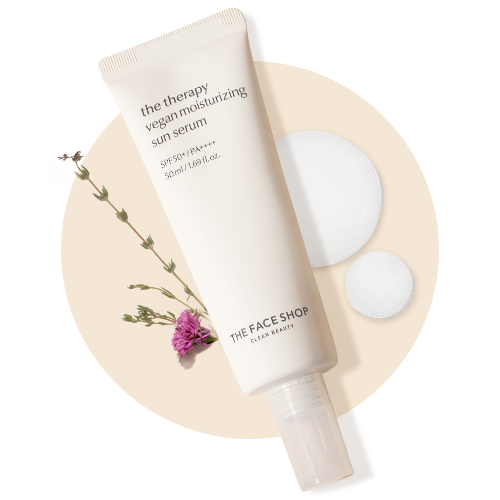
Did you know? Using Vitamin C in the morning with a Korean Sunscreen amplifies protection against sun damage - a must in India.
3. Snail Mucin: Hydration and Repair Without the Shine
Why it works: Snail mucin is a K-beauty icon for a reason. It hydrates, repairs, and soothes skin without heaviness. For oily Indian skin, snail mucin serums deliver plumpness and help fade acne scars, all while feeling weightless - even in monsoon humidity.
- Best for: Post-acne marks, rough texture, dehydration
- What to expect: Dewy, bouncy skin; faster healing; no greasy residue
- INR value: Quality snail mucin serums range from ₹1,100–₹1,800
Counterintuitive fact: Hydration actually reduces oiliness - dehydrated skin produces more sebum!
4. Ginseng + Niacinamide: The Brightening Duo for Stubborn Pigmentation
Why it works: Ginseng is rich in antioxidants, while niacinamide targets pigmentation and oil. This combo is ideal for Indian skin prone to sun spots and uneven tone. Korean serums with this blend offer lightweight hydration and visible brightening, even in hot weather.
- Best for: Stubborn dark spots, uneven skin tone, prevention of early aging
- What to expect: More even skin, reduced spots, less visible pores
- INR value: Typically available at ₹1,400–₹2,200 for 50–60ml
Mini-checklist: Look for formulas with 2–5% niacinamide and ginseng extract high on the ingredient list.
5. PHA/LHA Gentle Exfoliants: Smooth Texture Without Irritation
Why it works: Polyhydroxy acids (PHA) and lipohydroxy acids (LHA) are gentle exfoliants perfect for oily, sensitive Indian skin. They unclog pores, refine texture, and fade early pigmentation - without the harshness of traditional AHAs or BHAs.
- Best for: Congested pores, roughness, early signs of aging
- What to expect: Smoother, clearer skin; less congestion; improved glow
- INR value: Most PHA/LHA serums are priced between ₹1,200–₹1,800
Pro tip: Use 2–3 times a week at night, and always follow with sunscreen during the day.
How to Layer Korean Serums for Oily Skin in Indian Weather
Layering is key in K-beauty, but for oily Indian skin, less is more. Here’s a quick routine:
- Cleanser: Start with a gentle, non-stripping cleanser like Rice Water Bright Cleansing Foam.
- Toner/Essence: Optional, but hydrating essences can prep skin without heaviness.
- Serum: Pick one or two actives (e.g., niacinamide in the morning, snail mucin at night).
- Moisturizer: Use a gel-based, non-comedogenic formula.
- Sunscreen: Never skip a Korean Sunscreen during the day.
Tip: Always patch-test new serums and introduce one at a time to avoid irritation.
What to Avoid: Common Mistakes with Anti-Aging Serums on Oily Indian Skin
- Over-layering: Too many actives can overwhelm oily skin and trigger breakouts.
- Skipping sunscreen: Actives like Vitamin C and exfoliants make skin more sun-sensitive.
- Ignoring hydration: Oily skin still needs lightweight moisture to prevent rebound oiliness.
- Using harsh scrubs: Physical exfoliants can worsen pigmentation and irritation.
Expert insight: Indian dermatologists recommend starting with one serum, monitoring results for 2–4 weeks, and adjusting based on your skin’s response.
Seasonal Adjustments: Monsoon, Summer, and Winter Tips
India’s seasons demand tweaks to your serum routine:
- Summer: Stick to water-based, non-greasy serums. Use Vitamin C and niacinamide for sun protection and oil control.
- Monsoon: Focus on barrier-repairing actives like snail mucin and ginseng to combat humidity-induced breakouts.
- Winter: Layer hydrating serums (snail mucin, hyaluronic acid) under a light moisturizer to prevent dehydration.
Counterintuitive tip: Even in winter, oily skin can get dehydrated - don’t skip hydration!
Making the Right Choice: Trade-Offs and Value for Indian Consumers
Choosing the best Korean anti-aging serum for oily Indian skin is about balance:
- Budget: Most effective serums are available between ₹900–₹2,200. Consider value per ml and visible results.
- Skin goals: For pigmentation, prioritize niacinamide or Vitamin C. For texture, try snail mucin or gentle exfoliants.
- Routine simplicity: Start with one serum, then add another if needed. Avoid mixing too many actives at once.
All recommended serums are available in India and can be integrated with The Face Shop cleansers and Korean Sunscreen for a complete routine.
FAQ
Can I use Korean anti-aging serums daily if I have oily, acne-prone skin?
Yes, most Korean serums are formulated for daily use. Start with once a day and patch-test to avoid irritation.
Will these serums make my skin greasy in Indian humidity?
No, the recommended serums are lightweight and non-comedogenic, ideal for humid Indian weather.
How long before I see results from these serums?
Visible improvements typically appear in 4–8 weeks with consistent use.
Should I use sunscreen with anti-aging serums?
Absolutely. Sunscreen is essential when using actives like Vitamin C or exfoliants to prevent further pigmentation.
Are these serums safe for sensitive skin?
Most are gentle, but always patch-test and introduce one product at a time, especially if you have sensitive or reactive skin.