
Quick Summary
Discover a step-by-step Korean rice and ceramide skincare routine tailored for Indian skin and climate. Learn how to repair your barrier gently and effectively, with practical product picks and expert-backed tips.
Struggling with redness, flakiness, or sudden sensitivity? If your skin feels tight or looks dull, your barrier may be compromised. Many Indians unknowingly make things worse by using harsh products or skipping essential steps. Here’s a science-backed, climate-smart Korean routine using rice and ceramides - proven ingredients for barrier repair - tailored for Indian skin and weather.
Why Your Skin Barrier Matters (And Why It Breaks Down in India)
Your skin barrier is the invisible shield that keeps moisture in and irritants out. In India, factors like pollution, hard water, and frequent weather swings (from dry winters to humid monsoons) can weaken this barrier. Over-exfoliation, strong cleansers, and even air conditioning can strip away essential lipids, leaving skin vulnerable.
- Fact: Studies show urban Indian skin loses moisture 30% faster than rural skin due to pollution and hard water exposure.
- Common signs of a damaged barrier: redness, itchiness, increased breakouts, and persistent dryness.
Rice & Ceramides: The Korean Secret for Stronger Skin
Rice extract has been used in Asian skincare for centuries. It’s rich in antioxidants, B vitamins, and amino acids that soothe and brighten. Ceramides are lipids that naturally occur in your skin, helping lock in moisture and repair damage.
- Rice: Brightens, calms inflammation, and supports even tone - especially helpful for Indian skin prone to pigmentation.
- Ceramides: Restore the skin’s protective layer, reducing sensitivity and dryness.
Combining these two ingredients creates a gentle yet powerful routine ideal for Indian climates, whether you’re in humid Mumbai or dry Delhi.
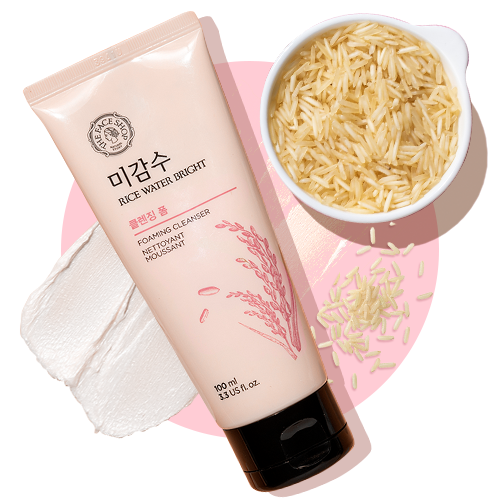
Step 1: Gentle Cleansing - Start with a Rice-Based Cleanser
Harsh cleansers can strip your skin’s natural oils. Opt for a rice-infused cleansing oil or gentle foam to remove dirt and sunscreen without disrupting your barrier. In the Indian context, a single cleanse is often enough unless you wear heavy makeup.
- Look for formulas free from sulfates and alcohol.
- Use lukewarm (not hot) water, especially if your tap water is hard.
Pro tip: If you’re new to oil cleansers, start with a small amount and rinse thoroughly to avoid residue in humid weather.
Step 2: Hydrating Toner - Prep With Rice & Ceramide
After cleansing, apply a hydrating toner to replenish lost moisture. A rice and ceramide toner helps soothe irritation and primes your skin for the next steps. This is especially important in Indian summers when air conditioning can dry out your skin.
- Pat, don’t rub, the toner into your skin for better absorption.
- For oily or combination skin, choose a lightweight, non-sticky formula.
Try the Ceramide & Rice Moisturizing Toner 150ml for a balanced, non-greasy finish.
Step 3: Emulsion - Lightweight Hydration for Indian Weather
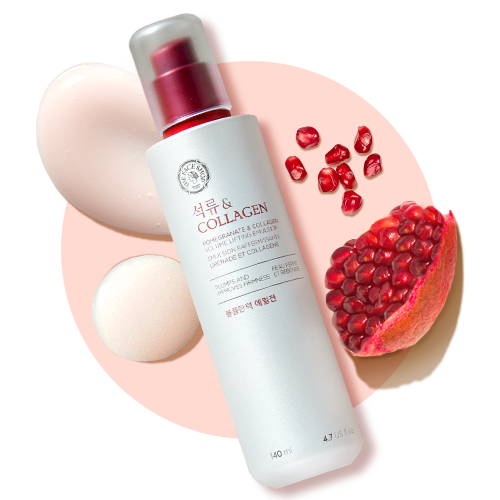
Emulsions are a K-beauty staple - lighter than creams but more nourishing than gels. In India’s humidity, a rice and ceramide emulsion delivers deep hydration without heaviness or stickiness.
- Layer after toner, focusing on drier areas like cheeks or around the mouth.
- For dry skin or during winter, follow with a richer moisturizer.
Consider the Ceramide & Rice Lightweight Emulsion for Barrier Repair 150ml for daily use. It absorbs quickly and suits all skin types.
Step 4: Moisturizer - Seal in the Goodness
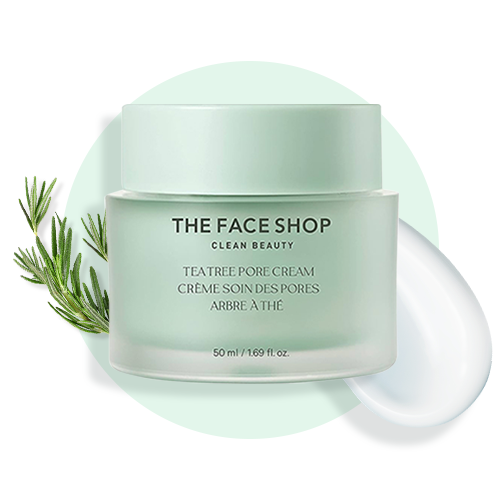
Lock in hydration with a ceramide-rich moisturizer. This step is crucial for repairing a compromised barrier, especially if you experience flakiness or tightness after cleansing.
- Choose a texture based on your climate: light gel-creams for humid cities, richer creams for dry, air-conditioned environments.
- Apply using gentle, upward strokes to avoid tugging sensitive skin.
Mini-checklist for picking the right moisturizer in India:
- Check for fragrance-free or low-fragrance options if you have sensitive skin.
- Look for ceramides high on the ingredient list.
- Value tip: A 70ml bottle can last 2-3 months with daily use, making it cost-effective (often under INR 900).
Step 5: Sunscreen - The Non-Negotiable Barrier Protector
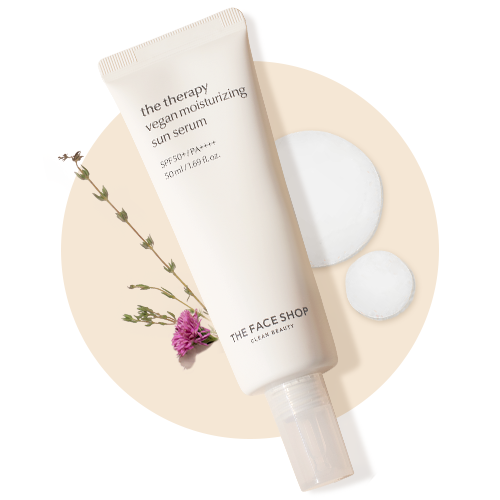
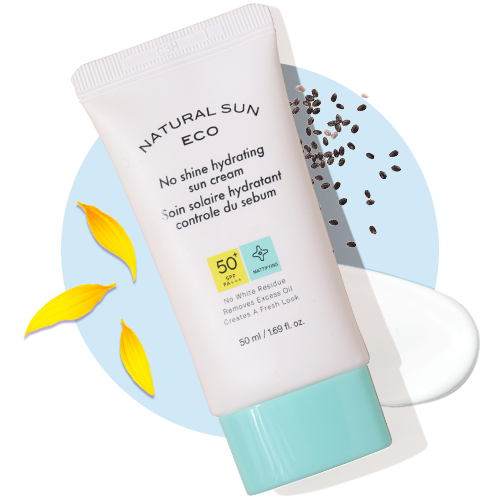
UV rays are a major barrier-damaging factor in India, even on cloudy days. Always finish your morning routine with a broad-spectrum sunscreen (SPF 30 or higher).
- Opt for lightweight, non-comedogenic formulas to avoid clogged pores in humidity.
- Reapply every 2-3 hours if you’re outdoors.
Remember: Even the best barrier repair routine won’t work if you skip sun protection.
How to Layer: The Right Order for Maximum Results
Layering is key in Korean skincare. The general rule: go from thinnest to thickest texture. Here’s a quick order:
- Cleanser
- Toner
- Emulsion
- Moisturizer
- Sunscreen (AM only)
For best results, wait 30-60 seconds between each step to allow absorption. This is especially helpful in humid Indian climates where products can feel sticky if layered too quickly.
Adapting the Routine for Indian Seasons & Skin Types
India’s climate varies dramatically. Here’s how to tweak your routine:
- Monsoon/Humid Weather: Use lighter emulsions and gel moisturizers. Blot excess oil with tissue, not harsh astringents.
- Winter/Dry Air: Layer a richer cream over your emulsion. Add a humidifier if you use heaters or AC at night.
- Oily/Combination Skin: Focus on lightweight, non-comedogenic products. Try the Toner for Oliy Skin collection for more options.
- All Skin Types: Explore the All Skin Types collection for barrier-friendly picks.
Counterintuitive fact: Even oily skin needs ceramides. Skipping moisturizer can actually trigger more oil production.
What to Avoid: Common Mistakes in Barrier Repair
Many Indians unknowingly sabotage their skin barrier by:
- Over-exfoliating with scrubs or acids (limit to once a week if your barrier is compromised).
- Using hot water or harsh towels.
- Layering too many actives (like retinol and vitamin C) at once.
- Skipping moisturizer in humid weather.
Stick to the basics and let your skin recover before reintroducing actives.
How to Know Your Barrier Is Healing: Signs to Watch For
With consistent use of a rice and ceramide routine, you should notice:
- Reduced redness and sensitivity within 1-2 weeks.
- Smoother, plumper skin texture.
- Less flakiness and fewer breakouts.
Limitation: Severe or persistent symptoms may require a dermatologist’s care. This routine supports mild to moderate barrier damage, not medical conditions like eczema or psoriasis.
Smart Shopping: How to Choose Authentic K-Beauty in India
With the rise of K-beauty in India, counterfeit products are a real concern. Always buy from trusted retailers and check for:
- Official holograms or seals on packaging.
- Batch numbers and expiry dates.
- Clear ingredient lists in English.
For genuine rice and ceramide products, shop directly from The Face Shop’s official store or authorized partners.
Routine Recap: Your Barrier Repair Checklist
- Gentle rice-based cleanser
- Hydrating rice & ceramide toner
- Lightweight emulsion (adjust for season)
- Ceramide-rich moisturizer
- Daily sunscreen
Consistency is key - give your skin at least 2-4 weeks to show visible improvement.
FAQ
How long does it take to repair a damaged skin barrier with this routine?
Most people see improvement in 2-4 weeks with consistent use. Severe cases may take longer or require a dermatologist’s care.
Can oily skin types use ceramide-rich products in humid Indian weather?
Yes, lightweight ceramide emulsions and gel moisturizers hydrate without heaviness and help balance oil production.
Is it necessary to use all the steps in the routine?
For best results, follow all steps. However, you can simplify by focusing on cleanser, toner, moisturizer, and sunscreen if needed.
Are rice and ceramide products safe for sensitive Indian skin?
Yes, when chosen from reputable brands and used as directed. Always patch-test new products to avoid irritation.
Where can I buy authentic Korean rice and ceramide skincare in India?
Purchase from official stores like The Face Shop or authorized partners to ensure authenticity and quality.