


Quick Summary
Unlock the real Korean cleansing routine for 'Glass Skin' in India. Discover step-by-step methods, common mistakes, and pollution-proof tips tailored for Indian urban skin.
Dreaming of that luminous, poreless 'Glass Skin' glow? If you live in an Indian city, you know pollution, sweat, and daily makeup can make this goal feel out of reach. But what if the real secret isn’t just about products, but about how you cleanse? Discover the Korean double cleansing method, adapted for Indian skin and climate, and finally unlock the radiant skin you deserve.
Why Pollution Changes Everything for Indian Skin
India’s urban air quality is among the world’s most challenging. According to the World Air Quality Report, cities like Delhi, Mumbai, and Kolkata regularly record PM2.5 levels far above safe limits. These fine particles, along with sweat, sebum, and makeup, can clog pores, dull your complexion, and accelerate aging. Standard face washes often leave behind residue, making a dedicated cleansing routine essential for anyone seeking glass skin in India.
- Fact: Studies show that pollution exposure increases pigmentation and breakouts in Indian skin types.
- Tip: If you commute daily or spend time outdoors, your cleansing routine needs extra attention.
The Glass Skin Ideal: More Than Just Fairness
In India, 'glass skin' is often misunderstood as a fairness trend. In reality, it’s about achieving a translucent, hydrated, and even-toned complexion - regardless of your natural skin tone. The K-Beauty approach focuses on healthy skin barrier, deep hydration, and gentle care, which is especially important for Indian skin prone to pigmentation and oiliness.
- Counterintuitive: Over-cleansing or using harsh scrubs can worsen dullness and sensitivity. Gentler is better.
- Data: Indian dermatologists recommend routines that support the skin barrier, not strip it.
Common Cleansing Mistakes Most Indians Make
Many Indian consumers believe that squeaky-clean skin is the goal. In reality, this can disrupt your skin’s natural barrier, leading to more oiliness, breakouts, and rough texture.
- Using soap or foaming cleansers with high pH, which can dry out and irritate skin.
- Skipping makeup removal, especially if you use sunscreen or BB cream.
- Relying on a single cleanse, which leaves behind pollution particles and sebum.
- Not adapting your routine for humid or polluted days.
Mini-checklist: If your skin feels tight after washing, or you notice more blackheads and dullness, your cleansing method may need an upgrade.
The K-Beauty Secret: Double Cleansing Explained
The heart of the Korean cleansing routine is double cleansing. This two-step method is a game-changer for Indian city dwellers:
- Oil-Based Cleanser: Removes sunscreen, makeup, and oil-based impurities. Even if you don’t wear makeup, pollution particles and sebum cling to skin and need an oil-based cleanser to dissolve them.
- Water-Based Cleanser: Sweeps away sweat, dust, and leftover residue for a truly clean canvas.
This approach is gentle yet thorough, helping prevent clogged pores and breakouts without stripping your skin. For Indian climates, choose lightweight, non-comedogenic formulas.
Step-by-Step: Korean Cleansing Routine for Indian Pollution
Ready to try the method? Here’s how to adapt the K-Beauty cleansing routine for Indian skin and pollution:
- Start with Dry Hands and Face: Apply an oil-based cleanser to dry skin. Massage gently for 1-2 minutes, focusing on areas prone to congestion (nose, chin, forehead).
- Emulsify and Rinse: Add a splash of water to emulsify, then rinse thoroughly.
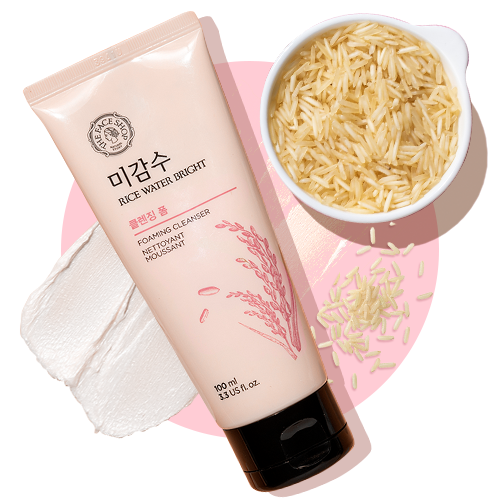
- Follow with a Gentle Water-Based Cleanser: Use a sulfate-free, low-pH cleanser like Rice Water Bright Cleansing Foam from The Face Shop. This formula brightens and hydrates, ideal for Indian skin exposed to pollution.
- Pat Dry, Don’t Rub: Use a soft towel to gently pat your face dry.
- Finish with Hydration: Apply a hydrating toner or essence to replenish moisture. Explore the Rice Toner collection for options suited to Indian skin types.
- Pro Tip: Double cleanse every evening, especially after a day outdoors or if you wear sunscreen/makeup.
Choosing the Right Cleansers for Indian Skin Types
Indian skin is diverse - ranging from oily and acne-prone to dry and sensitive. Your cleanser should match your skin’s needs and the local climate:
- Oily/Combination Skin: Look for gel or foam cleansers with ingredients like rice water, charcoal, or centella. The Charcoal & Detox Cleanser for Oily Skin collection is a great fit for humid cities.
- Dry/Sensitive Skin: Creamy, non-stripping cleansers with ceramides or rice extracts help maintain hydration. The Ceramide & Rice Moisturizing Skincare kit offers a gentle, barrier-supporting option.
- Value Tip: Investing in a quality cleanser (INR 500–1200) can save you money on treatments for breakouts or pigmentation later.
Ingredient Spotlight: What Works for Indian Pollution?
Not all cleansers are created equal. For Indian pollution, look for these proven ingredients:
- Rice Water: Brightens and soothes, ideal for dull or pigmented skin.
- Charcoal: Detoxifies and unclogs pores, especially in oily skin.
- Ceramides: Strengthen the skin barrier, crucial for city dwellers.
- Niacinamide & Hyaluronic Acid: Support hydration and even tone, helping achieve the glass skin effect.
Always patch test new products, especially if you have sensitive or reactive skin.
Adapting Your Routine for Indian Seasons
India’s climate swings from dry winters to humid monsoons. Adjust your cleansing steps accordingly:
- Summer/Monsoon: Use lightweight, foaming cleansers to manage sweat and oil. Double cleansing is especially important after a day in the city.
- Winter: Switch to creamier cleansers and add a hydrating toner to prevent dryness.
- Travel Tip: Carry travel-sized cleansers to avoid skipping your routine on the go.
Beyond Cleansing: Locking in the Glass Skin Glow
Cleansing is just the first step. For true glass skin, follow up with hydration and barrier support:
- Apply a hydrating toner or essence immediately after cleansing. The Hydrating Toner collection offers options for every skin type.
- Layer a lightweight moisturizer and sunscreen in the morning.
- Consider a weekly mask for extra glow and detoxification.
Remember, consistency is key. Results build over weeks, not days.
Real Results: What to Expect and What Not to Believe
With the right routine, most Indian users report brighter, smoother, and less congested skin within 2–4 weeks. However, beware of unrealistic promises:
- Glass skin is about radiance and health, not instant fairness or perfection.
- Pollution and stress can still cause occasional breakouts - no routine is a magic bullet.
- Stick to your routine and adjust based on your skin’s feedback.
For best results, combine your cleansing routine with a balanced diet, adequate sleep, and sun protection.
FAQ
Is double cleansing necessary if I don’t wear makeup?
Yes. Even without makeup, pollution, sunscreen, and sebum build up on your skin daily in Indian cities. Double cleansing ensures a deeper clean and helps prevent clogged pores and dullness.
How often should I double cleanse in Indian pollution?
Double cleansing is recommended every evening, especially if you’ve been outdoors or used sunscreen. In the morning, a single gentle cleanse is usually sufficient.
Which ingredients should I look for in a cleanser for glass skin in India?
Look for rice water, charcoal, ceramides, niacinamide, and hyaluronic acid. These ingredients help brighten, detoxify, and strengthen the skin barrier against pollution.
Can I use the same cleanser all year round?
It’s best to adjust your cleanser based on the season. Use lightweight, foaming cleansers in summer and monsoon, and switch to creamier, hydrating cleansers in winter.
How long does it take to see results from a Korean cleansing routine?
Most users notice brighter, smoother skin within 2–4 weeks of consistent double cleansing. However, results depend on your overall routine, skin type, and environmental factors.