
Quick Summary
Discover how to achieve the coveted Korean glass skin look in India's humid climate, with expert tips on managing redness and repairing your skin barrier using K-Beauty ingredients.
Dreaming of that luminous, poreless Korean glass skin but worried about redness and sensitivity in India’s humid climate? You’re not alone. Many Indian skincare enthusiasts struggle to balance hydration, glow, and comfort - especially when heat and humidity threaten to trigger flare-ups. This expert-backed guide breaks down the science, ingredients, and practical steps to help you achieve glass skin without redness, all tailored for Indian skin and weather.
Why Humidity Challenges Glass Skin in India
Humidity is a double-edged sword for Indian skin. While it can prevent extreme dryness, it also increases sweat, sebum, and the risk of redness or irritation. In cities like Mumbai or Chennai, average humidity levels often exceed 70%, making skin more prone to clogged pores and sensitivity. Glass skin routines that work in Korea’s temperate climate may need tweaks for India’s tropical conditions.
- Key challenge: Balancing deep hydration with a non-greasy, non-irritating finish.
- Common mistake: Using heavy creams or occlusives that trap sweat and heat, worsening redness.
- Expert tip: Opt for lightweight, barrier-repairing layers that let skin breathe.
Understanding Redness: Causes and Triggers in Indian Skin
Redness can stem from genetics, pollution, sun exposure, or a compromised skin barrier. In India, high humidity amplifies these triggers:
- Pollution: Fine particles can inflame sensitive skin, especially in metro cities.
- Heat and sweat: Excess moisture can disrupt the skin’s acid mantle, leading to irritation.
- Harsh products: Alcohol, fragrance, and strong actives can worsen redness in humid weather.
According to dermatologists, up to 30% of Indian adults report occasional facial redness, often linked to weather changes and skincare habits.
K-Beauty’s Secret Weapons: Ingredients That Soothe and Repair
Korean skincare is renowned for its gentle, effective ingredients. For Indian humidity and redness, look for:
- Centella Asiatica: Known as “cica,” this herb calms inflammation and speeds up barrier repair. Studies show it reduces redness in as little as two weeks.
- Panthenol: A form of vitamin B5, panthenol hydrates and soothes, making it ideal for sensitive, redness-prone skin.
- Ceramides: These lipids reinforce the skin barrier, preventing moisture loss without heaviness.
- Rice Extract: Brightens and hydrates, suitable for Indian skin tones seeking a radiant finish.
Products often feature these ingredients, making them a smart choice for Indian routines.
Step-by-Step: Building a Glass Skin Routine for Humid India
Here’s a practical, evidence-led routine tailored for Indian weather and sensitivity:
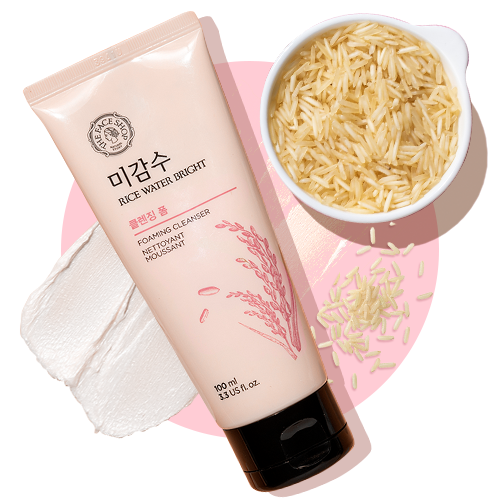
- Gentle Cleanser: Start with a low-pH, non-stripping cleanser. Try Rice Water Bright Cleansing Foam for effective cleansing without dryness.
- Hydrating Toner: Layer a lightweight, alcohol-free toner to prep and calm. Explore options in our Hydrating Toner collection.
- Serum with Cica or Panthenol: Look for serums rich in Centella Asiatica or panthenol to target redness and strengthen the barrier.
- Emulsion or Lightweight Cream: For humid weather, emulsions like Ceramide & Rice Moisturizing Emulsion offer hydration without heaviness. Drier skin types can layer with Ceramide & Rice Moisturizing Cream for extra comfort.
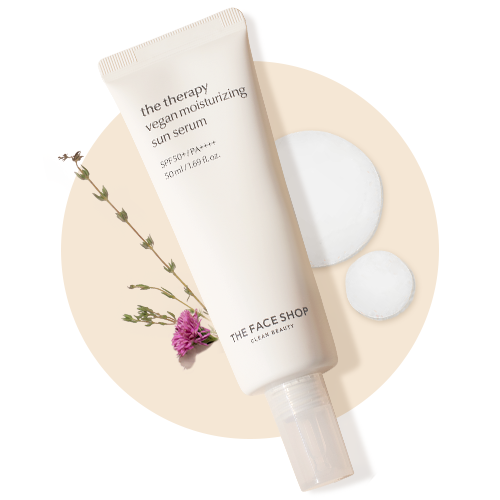
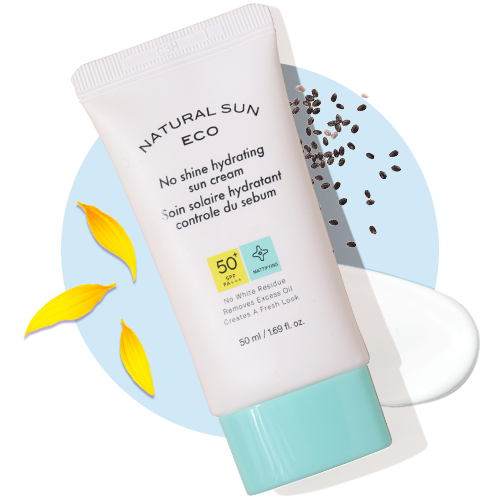
- SPF: Always finish with a broad-spectrum sunscreen, even on cloudy days.
Mini-checklist:
- Patch test new products for 48 hours
- Avoid layering too many actives
- Reapply SPF every 2-3 hours outdoors
Emulsion vs. Cream: Which Is Better for Glass Skin in Humidity?
Choosing between an emulsion and a cream can be confusing. Here’s a quick comparison for Indian weather:
| Feature | Emulsion | Cream |
|---|---|---|
| Texture | Light, fluid, fast-absorbing | Richer, thicker |
| Best for | Oily/combination, humid weather | Dry/very dry, air-conditioned rooms |
| Glass skin effect | Dewy, non-sticky glow | Intense moisture, can look shiny |
| INR value | Often lasts longer due to spreadability | Higher upfront cost, but good for dry skin |
For most Indian skin types in humidity, emulsions deliver hydration without clogging pores. Creams are best reserved for night routines or drier skin zones.
Barrier Repair: The Foundation of Redness-Free Glass Skin
Healthy skin barrier = less redness and longer-lasting glow. In India, frequent cleansing, sun exposure, and pollution can weaken your barrier. Look for products with ceramides, panthenol, and rice extract. Consistent use of barrier-repairing moisturizers can reduce sensitivity by up to 40% in clinical studies.
- Use gentle, non-foaming cleansers
- Layer hydrating toners and serums
- Seal with a ceramide-rich emulsion or cream
Pro tip: Avoid over-exfoliation, especially with physical scrubs, as this can worsen redness in humid weather.
Counterintuitive Fact: Why Less Is More in Humid Indian Climates
It’s tempting to use multiple products for that glass skin glow, but in India’s humidity, over-layering can backfire. Too many occlusive or active-rich products can trap sweat, leading to breakouts and more redness. Dermatologists recommend a “skinimalist” approach - fewer, well-chosen products with proven ingredients.
- Stick to 3-5 core steps
- Prioritize hydration and barrier repair over aggressive treatments
- Monitor your skin’s response and adjust as needed
Smart Shopping: INR Value and What to Look for in K-Beauty Products
Investing in K-Beauty doesn’t have to break the bank. Here’s how to maximize value in India:
- Choose multi-tasking products - like emulsions with ceramides and rice extract
- Look for larger sizes or combo offers (watch for deals in our POS B2G1 collection)
- Check ingredient lists for Centella Asiatica, panthenol, and ceramides
- Avoid products with high alcohol or fragrance, which can trigger redness
Many effective K-Beauty products are available in India for under INR 1,500, making them accessible for most skincare budgets.
Real Results: What to Expect and How to Track Progress
Glass skin is a journey, not an overnight transformation. In India’s climate, visible improvements in redness and glow typically appear within 2-4 weeks of consistent use. Track your progress with:
- Weekly selfies in natural light
- Noting changes in redness, texture, and hydration
- Adjusting your routine based on seasonal changes
Remember, even the best products may need time to show full results. If redness persists or worsens, consult a dermatologist for personalized advice.
FAQ
Can I achieve glass skin in India’s humid climate without breakouts?
Yes, by choosing lightweight, non-comedogenic products and focusing on barrier repair, you can achieve glass skin without triggering breakouts—even in high humidity.
Which K-Beauty ingredient is best for reducing redness in Indian skin?
Centella Asiatica (cica) is highly effective for calming redness and repairing the skin barrier, making it ideal for Indian skin prone to sensitivity.
Should I use an emulsion or a cream for glass skin in humid weather?
Emulsions are usually better for humid Indian climates as they hydrate without heaviness. Creams can be used for drier skin or at night.
How long does it take to see results from a glass skin routine?
Most people notice visible improvements in redness and glow within 2-4 weeks of consistent use, depending on their skin type and routine.
Are K-Beauty products affordable in India?
Yes, many effective K-Beauty products are available in India for under INR 1,500, especially when you shop smart with combo offers or larger sizes.