
Quick Summary
Is the K-Beauty glass skin trend safe for sensitive Indian skin? Dermatologists explain how to adapt routines, ingredients to use and avoid, and practical steps for irritation-free radiance.
Dreaming of that luminous, poreless 'glass skin' glow but worried your sensitive Indian skin might react? You’re not alone. The K-Beauty glass skin trend is everywhere, but Indian consumers often face unique challenges: humidity, pollution, melanin-rich skin, and a higher prevalence of sensitivity. Here, dermatologists and K-beauty experts break down how to safely adapt the glass skin routine for Indian skin types prone to irritation - so you can glow without worry.
1. What Does 'Glass Skin' Really Mean for Indian Skin Types?
Glass skin refers to a complexion that is clear, intensely hydrated, and almost reflective - like glass. While the trend started in Korea, Indian skin presents different needs. Dermatologists note that Indian skin is often more reactive due to higher melanin content and environmental stressors like heat and pollution. Achieving glass skin is possible, but the routine must be tailored for sensitivity and climate.
- Key difference: Indian skin is more prone to post-inflammatory hyperpigmentation (PIH) and redness from irritation.
- Adaptation: Focus on gentle hydration and barrier repair, not aggressive exfoliation.
2. The Science: Why Sensitive Indian Skin Reacts Differently
Indian dermatologists highlight that sensitive skin often has a compromised barrier, making it more susceptible to stinging, redness, and breakouts. Factors like hard water, high UV index, and urban pollution further weaken the skin’s defenses. Studies show that up to 30% of Indian adults report some form of skin sensitivity (source).
- Common triggers: Fragrance, alcohol-based toners, harsh exfoliants, and certain essential oils.
- Tip: Always patch-test new products, especially actives.
3. Step-by-Step: The Sensitive Skin-Friendly Glass Skin Routine
Here’s a dermatologist-approved, irritation-minimizing routine for Indian skin:
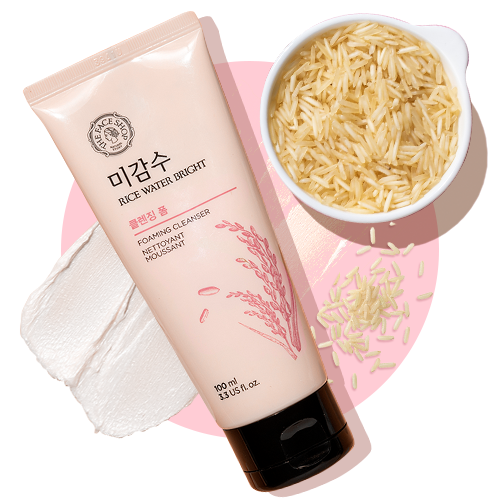
- Gentle Cleanser: Use a mild, non-stripping cleanser like Rice Water Bright Cleansing Foam for effective yet gentle cleansing.
- Hydrating Toner: Choose alcohol-free, calming formulas. Explore our Hydrating Toner collection for options with centella asiatica and rice extract.
- Serum: Look for niacinamide or hyaluronic acid serums. Avoid high concentrations of vitamin C or exfoliating acids unless tolerated.
- Moisturizer: Barrier-repair creams with ceramides, like Ceramide & Rice Moisturizing Cream, help lock in hydration and soothe irritation.
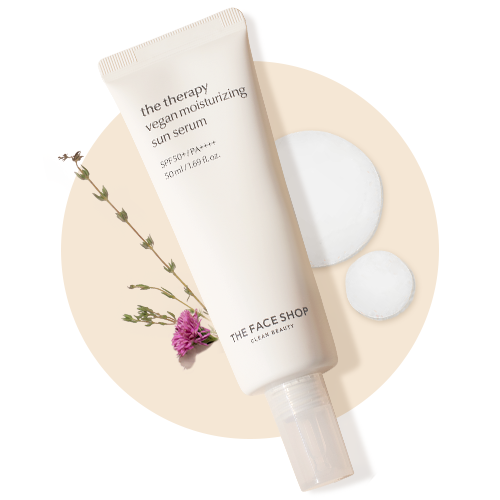
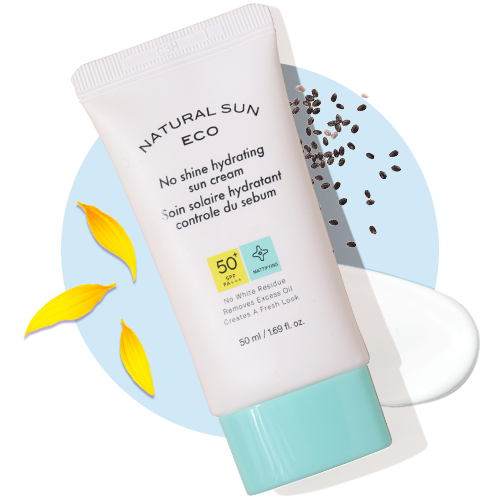
- Sunscreen: Always finish with a broad-spectrum SPF 50, especially in India’s high UV climate.
Mini-checklist:
- Patch test every new product
- Introduce one new product at a time
- Monitor for redness, itching, or stinging
4. Ingredient Deep Dive: What to Use and What to Avoid
Not all trending K-beauty ingredients are safe for sensitive Indian skin. Here’s what dermatologists recommend:
- Best for sensitive skin: Ceramides, rice extract, centella asiatica, panthenol, hyaluronic acid, niacinamide (at 2-5%)
- Use with caution: Vitamin C (ascorbic acid), AHA/BHA, retinol - start with low concentrations and buffer with moisturizer
- Avoid: Fragrance, denatured alcohol, harsh scrubs, and high-strength acids
India-specific tip: In humid cities like Mumbai or Chennai, lightweight gel moisturizers may suit better, while in drier climates (Delhi, Jaipur), richer creams help prevent dehydration.
5. Budgeting for Glass Skin: INR Value and Smart Buys
Adopting a glass skin routine in India doesn’t have to break the bank. Many effective K-beauty products are now available locally, with prices ranging from INR 500 to INR 2000 per step. For example, Rice Water Bright Cleansing Foam offers gentle cleansing at an accessible price point, while the Ceramide & Rice Moisturizing Cream delivers barrier support without premium markups.
- Look for combo kits, like the Ceramide & Rice Moisturizing Skincare kit, for better value.
- Prioritize essentials: Cleanser, moisturizer, and sunscreen are non-negotiable; serums and toners can be added as budget allows.
Counterintuitive fact: Over-layering too many products can actually increase irritation and costs, especially for sensitive skin.
6. Realistic Results: What to Expect and How Long It Takes
Glass skin is a journey, not an overnight transformation. Dermatologists advise that visible improvements in hydration and clarity typically appear after 4-6 weeks of consistent, gentle care. For sensitive Indian skin, slow and steady wins the race - rushing with actives can trigger flare-ups.
- Expect gradual brightening and smoother texture, not instant perfection.
- Results may be more subtle on deeper skin tones, but radiance and evenness are achievable.
Limitation: Genetics, hormonal changes, and underlying skin conditions can affect results. Consult a dermatologist for persistent issues.
7. Common Myths About K-Beauty and Sensitive Indian Skin
Myth-busting helps set realistic expectations:
- Myth: All K-beauty products are gentle. Fact: Some contain strong actives or fragrances that can irritate sensitive skin.
- Myth: More steps mean better results. Fact: Minimal routines are often safer for reactive skin.
- Myth: Glass skin is only for fair skin. Fact: The look is about clarity and hydration, not skin tone.
Expert tip: Always check ingredient lists and start with sample sizes when possible.
8. Dermatologist Q&A: Top Concerns from Indian Consumers
Q: Can I use exfoliating acids if my skin is sensitive?
A: Yes, but choose mild acids (like lactic acid) and use only once a week, always following with a barrier-repair moisturizer.
Q: How do I know if a product is irritating my skin?
A: Signs include redness, stinging, or increased dryness. Discontinue use and focus on soothing products until your skin recovers.
Q: Are fragrance-free products always better?
A: For sensitive skin, fragrance-free is usually safer, but always patch test as even natural extracts can cause reactions.
Q: Can I achieve glass skin if I have acne-prone sensitive skin?
A: Yes, but focus on non-comedogenic, calming ingredients and avoid heavy oils or occlusives.
Q: What’s the best way to introduce new products?
A: Add one product at a time, wait at least a week before adding another, and monitor your skin’s response closely.
9. Lifestyle & Environmental Tips for Glass Skin in India
Skincare is only part of the equation. For Indian consumers, these habits help maximize results:
- Stay hydrated - aim for 2-3 liters of water daily
- Use a humidifier in air-conditioned rooms to prevent dryness
- Eat antioxidant-rich foods (amla, citrus, leafy greens)
- Double cleanse after heavy pollution exposure
- Prioritize sleep and stress management
India-specific data point: Urban air pollution can increase skin sensitivity and dullness. Gentle cleansing and regular sunscreen are critical for city dwellers.
10. Curated Product Picks: Sensitive Skin Heroes from The Face Shop
For those ready to start their glass skin journey, The Face Shop offers dermatologist-recommended options tailored for Indian sensitive skin:
- Rice Water Bright Cleansing Foam: Gentle, brightening, and suitable for daily use.
- Ceramide & Rice Moisturizing Cream: Strengthens the barrier and soothes irritation.
- Ceramide & Rice Moisturizing Skincare kit: Complete starter kit for sensitive skin routines.
- Hydrating Toner: Alcohol-free hydration with calming botanicals.
All products are available in India with transparent INR pricing and ingredient lists. For more options, explore our Rice Toner collection.
Conclusion: Yes, Sensitive Indian Skin Can Glow - With the Right Routine
Achieving K-Beauty glass skin is possible for sensitive Indian skin, but it requires a gentle, evidence-led approach. Focus on barrier repair, hydration, and sun protection. Start simple, introduce products gradually, and always listen to your skin. With patience and the right products, irritation-free radiance is within reach.
FAQ
Can I use exfoliating acids if my skin is sensitive?
Yes, but choose mild acids like lactic acid and use only once a week, always following with a barrier-repair moisturizer.
How do I know if a product is irritating my skin?
Signs include redness, stinging, or increased dryness. Discontinue use and focus on soothing products until your skin recovers.
Are fragrance-free products always better for sensitive skin?
Fragrance-free is usually safer, but always patch test as even natural extracts can cause reactions.
Can I achieve glass skin if I have acne-prone sensitive skin?
Yes, but focus on non-comedogenic, calming ingredients and avoid heavy oils or occlusives.
What’s the best way to introduce new products in a sensitive skin routine?
Add one product at a time, wait at least a week before adding another, and monitor your skin’s response closely.