
Quick Summary
Discover a simple, three-step Korean morning skincare routine tailored for Indian oily and combination skin. Achieve a dewy, non-greasy glow that lasts through humidity with lightweight, hydrating products.
Indian summers and monsoons bring a unique skincare challenge: how do you get that coveted Korean dewy glow without ending up greasy by noon? If you have oily or combination skin, you know the struggle is real. The good news: a simplified Korean morning routine can help you achieve a fresh, hydrated look that lasts, even in India’s humidity. Here’s how to build a three-step ritual that works for Indian skin, with practical product picks, INR value framing, and science-backed advice.
1. Why a Korean Morning Routine Works for Indian Oily Skin
Many Indian consumers believe layering products will make oily skin worse. In reality, the right lightweight, hydrating layers can balance oil production and boost skin health. Korean routines focus on hydration, gentle cleansing, and barrier support - key for Indian skin facing pollution, heat, and hard water. Studies show that hydrated skin produces less excess oil, and ingredients like rice water and hyaluronic acid are especially effective in humid climates (source: NCBI).
- Hydration is not the enemy: Dehydrated skin overcompensates with more oil.
- Barrier care matters: Pollution and sun exposure can weaken your skin barrier, making oiliness and breakouts worse.
- Indian climate tip: Humidity can make skin feel sticky, but skipping moisturizer can actually increase oiliness.
2. Step 1: Gentle, Non-Stripping Cleansing
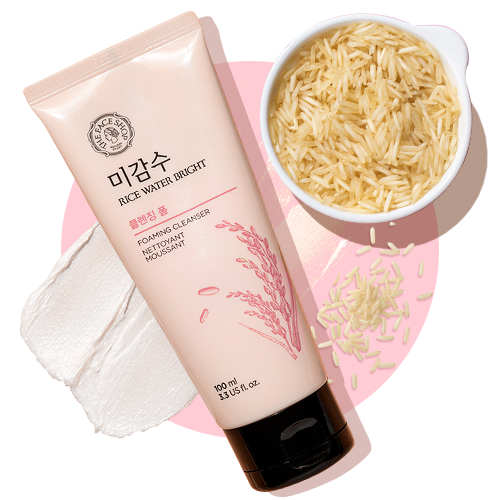
Start your morning with a gentle cleanser that removes sweat and overnight oil without disrupting your skin’s natural barrier. Look for formulas with rice water, tea tree, or low-pH ingredients. These help control oil and soothe inflammation, which is common in Indian skin types.
- Rice water cleansers: Popular in K-beauty, rice water helps brighten and hydrate without heaviness.
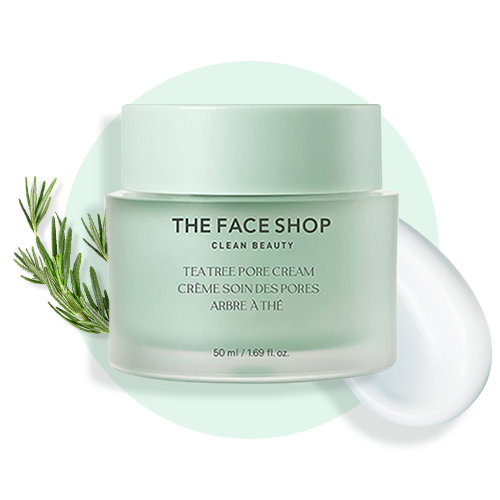
- Tea tree cleansers: Ideal for acne-prone or sensitive skin, especially in Indian cities with high pollution.
- Budget tip: Quality cleansers are available from ₹500–₹1200, making them accessible for most routines.
Explore our Best Korean Cleansers for options tailored to Indian oily and combination skin.
3. Step 2: Lightweight Hydration with Rice Water or Ceramides
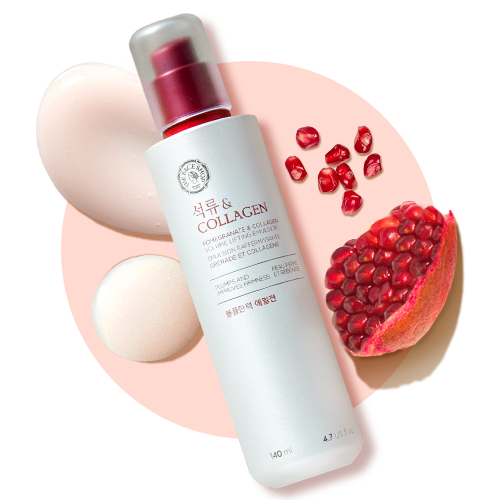
After cleansing, skip heavy creams and opt for a lightweight emulsion or gel moisturizer. Ingredients like rice water, ceramides, and hyaluronic acid deliver deep hydration without clogging pores. Rice water is especially popular in India for its brightening and soothing properties, and ceramides help repair the skin barrier damaged by sun and pollution.
- Emulsions vs. creams: Emulsions are lighter and absorb quickly, perfect for humid Indian mornings.
- Rice water benefits: Brightens dullness and helps fade post-acne marks, a common concern for Indian skin.
- INR value: A quality emulsion can last 2–3 months for under ₹1500, making it a smart investment.
Try our Ceramide & Rice Lightweight Emulsion for Barrier Repair for a non-greasy, dewy finish.
4. Step 3: Sunscreen That Suits Indian Skin and Weather
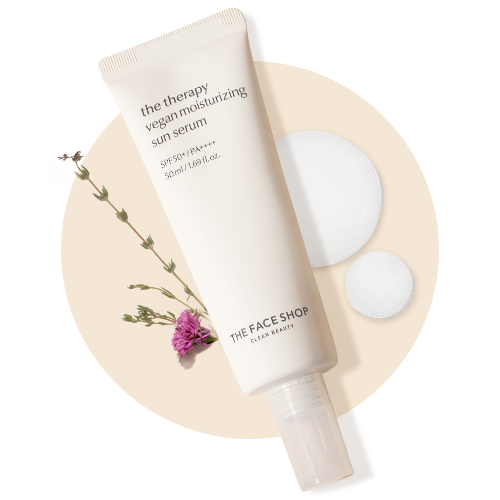
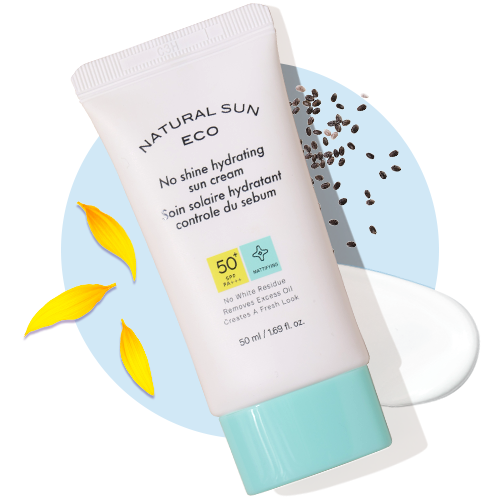
Sunscreen is non-negotiable, even if you’re indoors. Choose a lightweight, broad-spectrum SPF that won’t leave a white cast or feel sticky in Indian humidity. Look for hydrating, non-comedogenic formulas with rice extract or niacinamide for added brightening.
- SPF 40+ is ideal: Indian sun exposure is intense, especially in metro cities.
- No white cast: Essential for deeper Indian skin tones.
- Quick tip: Reapply every 2–3 hours if you’re outdoors or commuting.
While we focus on our own range, always check for PA+++ or higher for UVA protection.
5. How to Layer for a Dewy, Not Greasy, Finish
The secret to a dewy look is in the layering technique. Apply each product to slightly damp skin for better absorption. Use the “less is more” approach - just a pea-sized amount of moisturizer and a coin-sized dollop of sunscreen. Pat, don’t rub, to avoid disrupting the skin barrier.
- Mini-checklist:
- Cleanse with a gentle, low-pH formula
- Apply lightweight emulsion or gel moisturizer
- Finish with broad-spectrum sunscreen
Counterintuitive fact: Using a hydrating emulsion under sunscreen can actually reduce midday oiliness, as skin stays balanced longer.
6. Ingredient Spotlight: Why Rice Water and Ceramides Work in India
Rice water has been used for centuries in Asian skincare, and it’s gaining popularity in India for good reason. It’s rich in amino acids and antioxidants, helping to brighten and calm skin. Ceramides, meanwhile, strengthen the skin barrier, which is often compromised by Indian tap water and pollution.
- Rice water: Fades pigmentation and supports even skin tone, especially after sun exposure.
- Ceramides: Help prevent moisture loss and reduce sensitivity, a common issue in Indian metros.
- Science-backed: Studies show ceramides improve barrier function and hydration, even in hot, humid climates.
For more on gentle, effective cleansers, see our Cleanser For Whiteheads collection.
7. Common Mistakes to Avoid in Humid Indian Weather
Even the best products can backfire if used incorrectly. Here are common mistakes Indian consumers make with Korean routines:
- Skipping moisturizer - this can trigger more oil production.
- Using harsh, foaming cleansers that strip the skin.
- Applying thick creams or oils in the morning, which can feel heavy and clog pores.
- Forgetting to reapply sunscreen, especially during commutes or outdoor activities.
Tip: If your skin feels greasy by noon, try reducing the amount of each product and patting in layers instead of rubbing.
8. Routine Tweaks for Different Indian Skin Concerns
Not all oily skin is the same. Here’s how to adapt the routine for common Indian concerns:
- Acne-prone: Add a tea tree toner or spot treatment from our Tea Tree Range.
- Post-acne marks: Rice water emulsions help fade pigmentation over time.
- Sensitivity: Stick to fragrance-free, low-pH products and avoid physical scrubs.
- Hard water areas: Use a gentle, hydrating cleanser to counteract dryness and irritation.
Always patch test new products, especially if you have sensitive or reactive skin.
9. INR Value: Building a Routine That Fits Your Budget
Building a Korean morning routine in India doesn’t have to break the bank. Many effective products are available between ₹500 and ₹2000, and a little goes a long way. Prioritize cleansers and emulsions, as these last longer and deliver visible results. Investing in a good sunscreen is key for long-term skin health and pigmentation prevention.
- Pro tip: Track your product usage - most emulsions and cleansers last 2–3 months with daily use.
- Bundle deals: Look for combo offers or seasonal discounts to maximize value.
10. Final Thoughts: Trust the Process, See the Glow
Consistency is the real secret behind the Korean morning routine. Give your skin 2–4 weeks to adjust, and you’ll notice less oiliness, fewer breakouts, and a healthy, dewy glow that lasts through even the stickiest Indian days. Choose lightweight, hydrating products, layer thoughtfully, and always protect with sunscreen. Your skin will thank you!
FAQ
Can I skip moisturizer if my skin is oily in Indian humidity?
No. Skipping moisturizer can make your skin produce more oil. Use a lightweight emulsion or gel to hydrate without heaviness.
Will a Korean routine make my skin greasy in summer?
Not if you choose lightweight, hydrating products and layer them correctly. The right routine can actually reduce midday oiliness.
How do I prevent sunscreen from feeling sticky on Indian skin?
Look for gel or fluid sunscreens with broad-spectrum protection and no white cast. Apply in thin layers and let each layer absorb before the next.
Are rice water products safe for sensitive Indian skin?
Yes, rice water is generally soothing and suitable for sensitive skin. Always patch test new products to ensure compatibility.
How long before I see results from this routine?
Most people notice improved hydration and less oiliness within 2–4 weeks. Consistency is key for lasting results.