
Quick Summary
Confused about serums for monsoon? Discover how to pick the right K-Beauty serum for Indian humidity and achieve a true 'Glass Skin' glow—without greasiness or stickiness.
Monsoon in India brings a unique set of skin challenges - humidity, stickiness, and unpredictable breakouts. If your serum feels heavy or greasy, you’re not alone. This guide will help you decode the right K-Beauty serums for Indian weather, so you can achieve that coveted 'Glass Skin' glow without the shine or stickiness. Let’s break down what works, what doesn’t, and how to build your perfect monsoon serum routine.
Why Most Serums Fail in Indian Monsoon: The Humidity Factor
Many serums popular in Korea or the West simply don’t translate to Indian monsoon conditions. High humidity can make even lightweight formulas feel suffocating, leading to clogged pores and breakouts. According to a 2023 survey by Nykaa, over 60% of Indian consumers report increased oiliness and dullness during monsoon months. The key is to choose serums that hydrate without trapping sweat or sebum.
- Look for water-based, gel-textured serums - these absorb quickly and don’t leave a sticky film.
- Avoid heavy oils and occlusives unless you have very dry skin.
- Check for non-comedogenic labels and avoid ingredients like coconut oil or shea butter in serums.
Pro tip: Always patch-test new serums, as humidity can amplify sensitivity.
Understanding 'Glass Skin': What It Means for Indian Skin Tones
'Glass Skin' is about a translucent, luminous glow - not oiliness. For Indian skin, this means balancing hydration with brightening, while addressing common concerns like pigmentation and uneven tone. A 2022 study in the Journal of the American Academy of Dermatology found that Indian skin is more prone to post-inflammatory hyperpigmentation (PIH), especially after acne or sun exposure.
- Choose serums with niacinamide or vitamin C to target pigmentation and boost radiance.
- Hydration is key, but opt for hyaluronic acid or beta-glucan over heavier humectants.
Remember, 'Glass Skin' is achievable for all skin tones - it's about clarity and bounce, not fairness.
Hydrating vs. Brightening Serums: Which Should You Pick for Monsoon?
Should you focus on hydration or brightening during the monsoon? The answer depends on your skin’s needs:
- Oily/Combination Skin: Lightweight hydrating serums with niacinamide help control oil and reduce dark spots.
- Dry Skin: Layer a hydrating serum with a brightening one, but keep textures light - think watery essences, not creams.
- Sensitive Skin: Look for calming ingredients like propolis or centella asiatica (cica).
For most Indian consumers, a dual-action serum (hydrating + brightening) offers the best value, especially in the INR 800–1500 range.
Top Ingredients That Actually Work in Indian Humidity
Not all 'hero' ingredients are created equal for our climate. Here’s what to look for:
- Niacinamide (5–10%): Reduces oil, fades pigmentation, and strengthens the skin barrier. Widely recommended by Indian dermatologists.
- Vitamin C (10–23%): Brightens and protects against pollution-induced dullness. Look for stabilized forms like ascorbyl glucoside.
- Propolis: Soothes and heals, ideal for post-acne marks common in monsoon.
- Galactomyces: Fermented ingredient that boosts glow without heaviness.
- Alpha Arbutin: Gentle brightener, safe for Indian skin tones.
Counterintuitive fact: Some popular K-Beauty ingredients like snail mucin can feel too sticky in high humidity - save them for winter or dry climates.
How to Layer Serums for 'Glass Skin' Without Greasiness
Layering is a K-Beauty staple, but in Indian monsoon, less is more. Here’s a quick layering checklist:
- Start with a gentle cleanser. For K-Beauty options, see our Best Korean Cleansers collection.
- Apply a hydrating toner or essence. Try a lightweight formula from our Hydrating Toner range.
- Use a pea-sized amount of serum. Pat in, don’t rub.
- Wait 30 seconds before layering another serum or moisturizer.
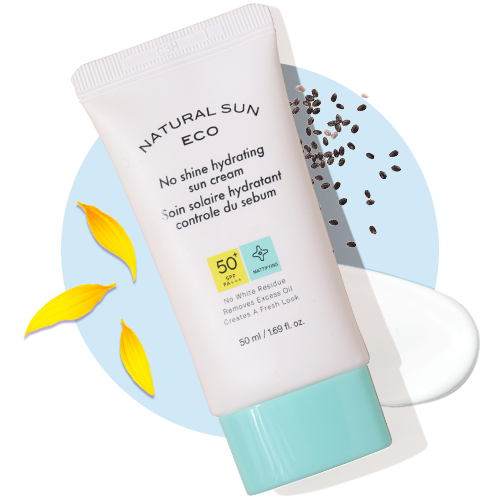
- Finish with a gel-based sunscreen, even on cloudy days. Explore our Korean Sunscreen picks for monsoon protection.
Mini-checklist: If your skin feels sticky after layering, you’re using too much or the wrong texture.
Budget-Friendly K-Beauty Serums in India: What to Expect for INR 800–1500
Good news: You don’t have to splurge to get results. Many K-Beauty serums now retail in India for INR 800–1500. Here’s what you can expect at this price point:
- High-quality actives like niacinamide, vitamin C, and propolis.
- Lightweight, non-sticky textures suitable for humid climates.
- Transparent ingredient lists and safety testing.
Tip: Always check for batch authenticity and expiry dates when buying online. Stick to trusted retailers and official stores like The Face Shop for peace of mind.
Common Myths About K-Beauty Serums in Monsoon - Busted!
-
Myth: 'Glass Skin' serums are only for fair skin.
Fact: They work for all skin tones - focus on clarity, not color. -
Myth: More layers mean better results.
Fact: In humidity, too many layers can clog pores and cause breakouts. -
Myth: You must use the same serum year-round.
Fact: Adapt your serum to the season - lighter in monsoon, richer in winter. -
Myth: Expensive serums are always better.
Fact: Ingredient quality and suitability matter more than price.
Practical tip: Listen to your skin. If it feels heavy or irritated, simplify your routine.
Expert Tips: Adapting Your K-Beauty Routine for Different Indian Climates
India’s humidity isn’t uniform - Mumbai’s sticky monsoon is different from Delhi’s dry heat. Here’s how to tweak your serum routine:
- Coastal cities (Mumbai, Chennai): Stick to gel-based serums and avoid layering more than two products.
- Inland cities (Delhi, Bengaluru): You may need a slightly richer serum if the air is less humid.
- Hill stations: Humidity drops, so you can add a nourishing essence or a light emulsion.
Counterintuitive fact: Even in high humidity, dehydration is common due to air conditioning - don’t skip hydration, just adjust the texture.
How to Spot a Genuine K-Beauty Serum in India
The Indian market is flooded with K-Beauty products, but not all are authentic. Here’s how to ensure you’re getting the real deal:
- Buy from authorized retailers or official brand stores like The Face Shop.
- Check for ingredient lists in English and manufacturing/import details.
- Look for safety seals and batch numbers.
- Beware of prices that seem too good to be true - genuine serums rarely cost below INR 600.
Trust signal: The Face Shop offers transparent ingredient sourcing and clear return policies for peace of mind.
Conclusion: Your Monsoon Serum Checklist for 'Glass Skin' in India
- Choose lightweight, water-based serums with proven actives like niacinamide and vitamin C.
- Layer minimally - hydrating toner, serum, and sunscreen are enough for most.
- Adapt your routine to your city’s climate and your skin’s needs.
- Buy from trusted sources to avoid fakes and irritation.
Ready to build your monsoon K-Beauty routine? Explore our curated Best Korean Cleansers and Hydrating Toner collections to get started on your journey to true 'Glass Skin' - no matter the weather.
FAQ
Can I use the same serum in monsoon and winter?
It's best to adapt your serum to the season. Use lighter, water-based serums in monsoon and switch to richer, more nourishing formulas in winter to match your skin's changing needs.
Are K-Beauty serums suitable for oily or acne-prone Indian skin?
Yes, many K-Beauty serums are formulated for oily and combination skin. Look for non-comedogenic, gel-based serums with ingredients like niacinamide or propolis to help control oil and soothe breakouts.
How do I know if a K-Beauty serum is authentic in India?
Buy from authorized retailers or official brand stores like The Face Shop. Check for ingredient lists in English, batch numbers, and safety seals. Avoid prices that seem unusually low.
What is the ideal price range for a quality K-Beauty serum in India?
Most effective, authentic K-Beauty serums are priced between INR 800 and 1500. Be cautious with products priced much lower, as they may be counterfeit or expired.
Do I need to use multiple serums for 'Glass Skin' in Indian humidity?
Not necessarily. In humid weather, one well-formulated serum with both hydrating and brightening ingredients is usually enough. Over-layering can cause stickiness and breakouts.