
Quick Summary
Curious if you can layer all your K-beauty actives for glass skin in India’s humidity? Dermatologists explain safe routines, ingredient combos, and real-world tips for Indian skin.
Layering multiple K-beauty actives is a tempting route to the coveted 'glass skin' look. But with India's unique humidity, pollution, and skin diversity, is it safe or even effective? We asked dermatologists and K-beauty experts to break down the science, the trade-offs, and the best practices for Indian skin. Read on for evidence-led answers, practical routines, and India-specific buying tips.
Why Layering K-Beauty Actives Is Different in India
India's climate - hot, humid, and pollution-prone - changes how actives behave on your skin. While Korean routines are designed for layering, Indian skin often faces excess oil, sweat, and environmental stressors. Dermatologists note that over-layering can lead to clogged pores or irritation, especially in cities like Mumbai or Chennai where humidity stays above 70% for much of the year.
- Humidity amplifies absorption: Actives like Vitamin C and AHAs may penetrate faster, increasing both efficacy and irritation risk.
- Pollution increases oxidative stress: Antioxidants are more crucial, but layering too many can overwhelm sensitive skin.
- Indian skin tones: Higher melanin means more risk of post-inflammatory hyperpigmentation (PIH) from irritation.
Tip: Always patch test new actives, especially in summer.
What Are the Most Popular K-Beauty Actives - and Can You Combine Them?
Common K-beauty actives include Vitamin C, Niacinamide, Retinol, AHAs/BHAs, and hydrating agents like hyaluronic acid. But not all play well together. Dermatologists recommend:
- Vitamin C + Niacinamide: Now considered safe together, ideal for brightening and oil control.
- Retinol + AHAs/BHAs: Avoid layering in the same routine - can cause peeling or redness, especially in humid weather.
- Niacinamide + Retinol: Good combo for barrier repair and anti-aging.
- Hydrators (Hyaluronic Acid): Safe with most actives, helps buffer irritation.
For a full list of gentle exfoliators, see our Exfoliating Gel & Face Exfoliators collection.
How to Build a Glass Skin Routine for Indian Humidity
Glass skin is all about a luminous, poreless look. In India, the key is lightweight, non-comedogenic layers that won’t clog pores or feel greasy. Here’s a dermatologist-approved routine:
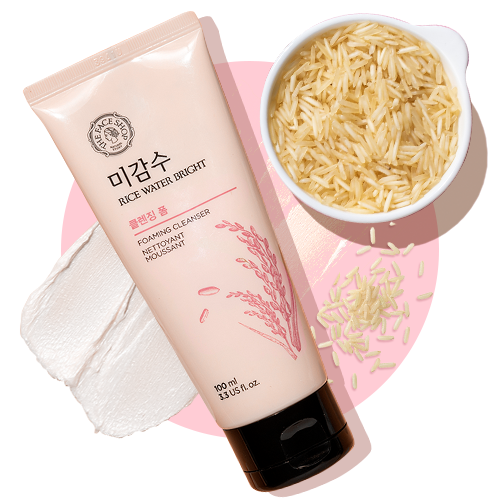
- Cleanser: Use a gentle, non-stripping formula. See our Best Korean Cleansers for options under INR 800.
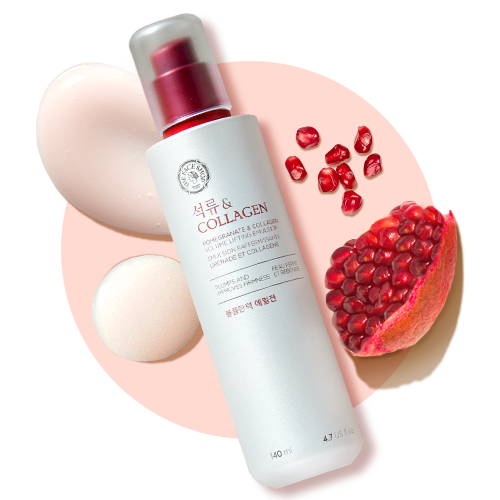
- Toner/Essence: Hydrating, alcohol-free toners prep skin without heaviness.
- Vitamin C Serum: Apply in the morning for antioxidant protection against pollution.
- Niacinamide Serum: Controls sebum and brightens. Layer after Vitamin C if tolerated.
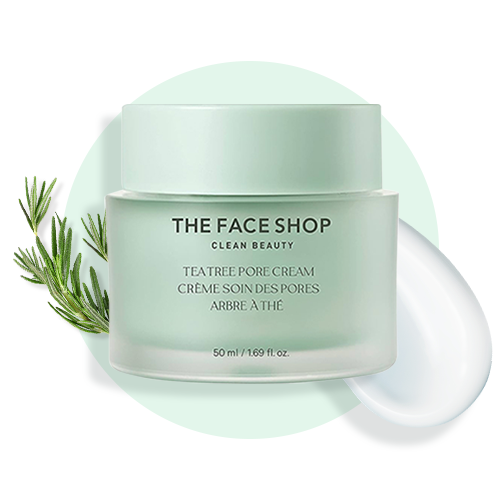
- Moisturizer: Gel-based or lightweight creams work best in humidity.
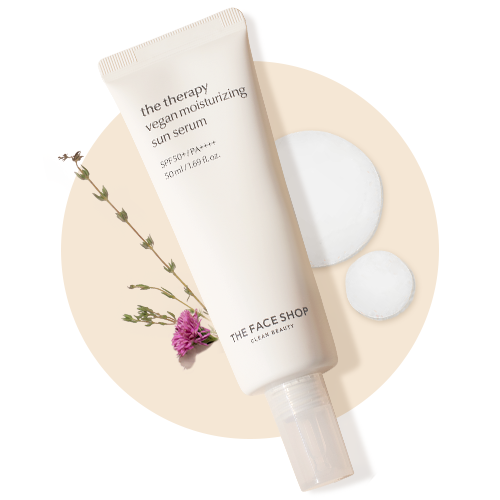
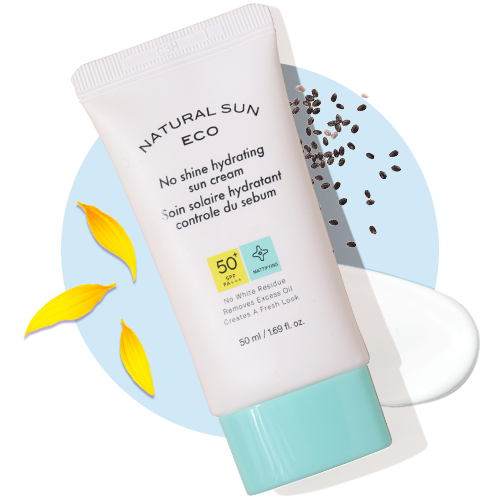
- Sunscreen: Always finish with broad-spectrum SPF 50, even indoors.
Note: Introduce one active at a time. Monitor for irritation before adding another.
India-Specific Ingredient Insights: What Works, What to Avoid
Some actives are better suited for Indian skin and climate:
- Niacinamide: Excellent for controlling oil and fading PIH, especially effective in humid cities.
- Vitamin C (5-10%): Lower concentrations reduce irritation risk for Indian skin tones.
- AHAs (Lactic, Mandelic Acid): Gentler than glycolic acid, less likely to cause sensitivity.
- Retinol: Start with 0.1-0.3% and use only at night, 2-3 times a week.
- Skip heavy occlusives: Thick creams can trap sweat and lead to breakouts in Indian summers.
Look for products formulated for humid climates and always check for non-comedogenic labels.
Expert Q&A: Dermatologists Answer Your Top Layering Questions
Q: Can I use Vitamin C and AHA together in the morning?
A: Not recommended. Both are acidic and can irritate, especially in Indian heat. Use Vitamin C in the morning and AHAs at night.
Q: How do I prevent pilling when layering?
A: Apply products from thinnest to thickest, wait 1-2 minutes between layers, and avoid over-applying.
Q: Is it safe to layer three or more actives?
A: Only if your skin is well-adapted. Start with two, then add more gradually. Watch for redness or stinging.
Q: Should I change my routine in monsoon?
A: Yes. Switch to lighter textures and reduce exfoliation frequency to avoid over-sensitizing skin.
Q: How do I patch test?
A: Apply a small amount behind your ear or on the jawline for 48 hours. Watch for redness, bumps, or itching.
Real-World Routines: What Indian K-Beauty Fans Actually Use
We surveyed Indian K-beauty enthusiasts in Delhi, Bengaluru, and Kolkata. Most successful routines included:
- Double cleansing at night to remove pollution and sunscreen.
- Vitamin C serum in the morning, followed by a lightweight moisturizer and SPF.
- Niacinamide serum for oil control and brightening.
- Weekly gentle exfoliation with lactic or mandelic acid, not glycolic acid.
Budget tip: Many effective serums are available for under INR 1,200. Check ingredient lists for actives suited to your skin type.
Common Mistakes to Avoid When Layering Actives in Humid Weather
- Over-exfoliating: More is not better. Limit acids to once or twice a week.
- Skipping sunscreen: Essential when using actives, especially in India’s strong sun.
- Mixing too many new products at once: Increases risk of irritation and makes it hard to identify triggers.
- Ignoring your skin’s feedback: Redness, stinging, or bumps mean it’s time to scale back.
Keep a skincare diary to track what works and what doesn’t.
How to Choose the Right K-Beauty Products for Indian Skin
Look for products with:
- Transparent ingredient lists
- Non-comedogenic claims
- Lightweight, gel-based textures
- INR-friendly pricing (many high-quality serums are under INR 1,500)
For a curated selection, explore The Face Shop range for Indian skin needs.
When to See a Dermatologist: Signs You Need Expert Help
If you experience persistent redness, burning, or breakouts after layering actives, consult a dermatologist. Indian skin can be prone to PIH, so early intervention prevents long-term marks. Dermatologists can also help customize routines for sensitive or acne-prone skin, especially if you’re using prescription actives.
- Unexplained irritation after new products
- Worsening pigmentation
- Chronic breakouts despite gentle routines
Remember: Skincare is personal. What works for one may not work for all.
FAQ
Can I use Vitamin C and AHA together in the morning?
No. Both are acidic and can irritate the skin, especially in Indian heat. Use Vitamin C in the morning and AHAs at night for best results.
How do I prevent pilling when layering multiple products?
Apply products from thinnest to thickest, wait 1-2 minutes between layers, and avoid over-applying. Lightweight, gel-based formulas also help.
Is it safe to layer three or more actives in one routine?
Only if your skin is well-adapted. Start with two actives, add more gradually, and watch for signs of irritation like redness or stinging.
Should I change my skincare routine during monsoon?
Yes. Switch to lighter textures and reduce exfoliation frequency to avoid over-sensitizing your skin in humid, rainy weather.
How do I patch test a new active ingredient?
Apply a small amount behind your ear or on your jawline for 48 hours. Watch for redness, bumps, or itching before using on your face.