
Quick Summary
Curious about layering multiple K-Beauty actives for glass skin on Indian skin? Dermatologists break down safe combinations, irritation risks, and practical routines for Indian consumers.
Layering multiple K-Beauty actives - like Niacinamide, Vitamin C, and Retinol - has become a popular route to achieving the coveted 'glass skin' look. But is it safe for Indian skin, which often faces unique challenges like humidity, pollution, and melanin-rich tones prone to pigmentation? We asked dermatologists and K-Beauty experts to answer your top questions, debunk myths, and share practical, India-specific advice for building a multi-active routine that delivers results without irritation.
Why Is Layering K-Beauty Actives So Popular in India?
Indian consumers are increasingly drawn to the promise of 'glass skin' - a smooth, luminous complexion. K-Beauty routines, known for their multi-step approach, offer targeted solutions for common Indian skin concerns like pigmentation, dullness, and uneven tone. According to a 2023 Nykaa survey, over 60% of Indian skincare shoppers have tried layering at least two actives, hoping for faster or more visible results.
- Climate Adaptability: K-Beauty products often feature lightweight, hydrating formulas that suit India's humid and hot weather.
- Ingredient Innovation: Actives like Niacinamide, Vitamin C, and Ceramides are proven to address hyperpigmentation and barrier repair - top concerns for Indian skin.
- Affordability: Many K-Beauty actives are available in India at accessible price points (often INR 500–2000), making them attractive for routine use.
Can Indian Skin Tolerate Multiple Actives? Dermatologists Weigh In
Indian skin, especially medium to deep tones, is more prone to post-inflammatory hyperpigmentation (PIH) and irritation. Dermatologists caution that while layering actives can be effective, it increases the risk of sensitivity if not done thoughtfully.
- Start Slow: Introduce one new active every 2–3 weeks to monitor skin response.
- Patch Test: Always patch test new products behind the ear or on the jawline for 48 hours.
- Barrier First: Prioritize barrier-repairing ingredients like Ceramides, especially if using exfoliating acids or retinol.
Dr. Priya Sharma, a Mumbai-based dermatologist, notes, “Layering is possible, but Indian skin needs extra attention to barrier health and sun protection.”
What Are the Safest K-Beauty Actives to Combine for Glass Skin?
Not all actives play well together. Here are dermatologist-approved combinations for Indian skin:
- Niacinamide + Hyaluronic Acid: Hydrates and brightens without irritation. Suitable for daily use, even in humid Indian summers.
- Vitamin C (L-Ascorbic Acid) + Ceramides: Brightens and protects, while Ceramides buffer potential irritation. Use Vitamin C in the morning, followed by a Ceramide-rich moisturizer.
- AHAs/BHAs + Snail Mucin: Exfoliates gently, while Snail Mucin soothes and repairs. Limit exfoliation to 1–2 times per week for sensitive skin.
Combinations to Avoid: Retinol with AHAs/BHAs or Vitamin C in the same routine can trigger irritation, especially on Indian skin prone to PIH.
How Should You Layer Actives for Maximum Results (and Minimal Irritation)?
Proper layering is crucial. Here’s a dermatologist-backed order for layering three actives:
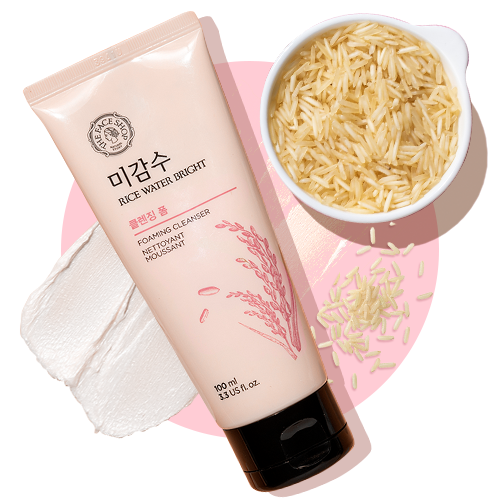
- Cleanser: Start with a gentle, non-stripping cleanser. Try Rice Water Bright Cleansing Foam for effective yet mild cleansing.
- Vitamin C (AM) or Retinol (PM): Apply after cleansing. Never use both in the same routine.
- Niacinamide Serum: Layer after Vitamin C or Retinol to boost barrier repair and reduce irritation risk.
- Ceramide Moisturizer: Lock in hydration and strengthen the skin barrier. Ceramide & Rice Moisturizing Emulsion is a lightweight option ideal for Indian climates.
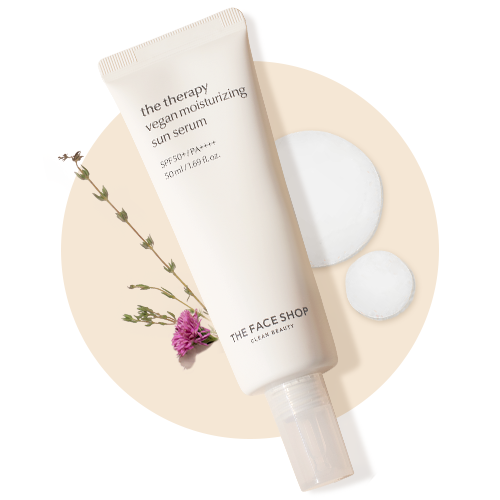
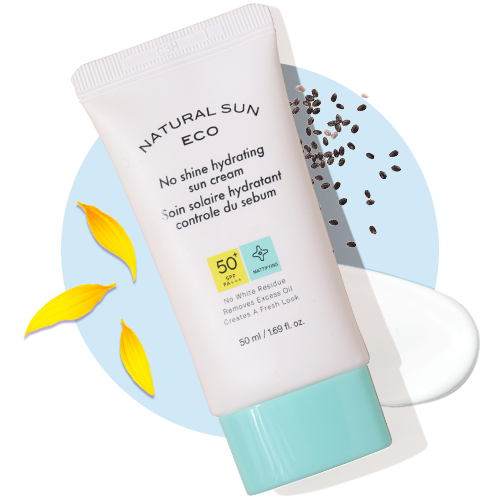
- Sunscreen (AM): Always finish with broad-spectrum SPF 50+ in the morning, regardless of weather.
Mini-Checklist:
- Introduce one active at a time
- Use actives on alternate days if irritation occurs
- Never skip moisturizer or sunscreen
What Concentrations Work Best for Indian Skin?
Higher concentrations do not always mean better results - especially for Indian skin, which can react strongly to potent actives. Dermatologists recommend:
- Niacinamide: 5% is effective for brightening and oil control without causing redness.
- Vitamin C: 10–15% L-Ascorbic Acid is potent yet generally well-tolerated.
- Retinol: Start with 0.1–0.3% for beginners. Higher strengths should be used only under dermatologist supervision.
- AHAs/BHAs: 2% Salicylic Acid or up to 8% Glycolic Acid for weekly exfoliation.
Always check product labels and consult with a dermatologist for persistent concerns.
How Do You Prevent and Manage Irritation?
Even with careful layering, irritation can occur - especially in India’s hot, humid, or polluted environments. Here’s how to minimize risks:
- Hydrate Generously: Use a lightweight, non-comedogenic moisturizer after actives.
- Barrier Repair: Incorporate Ceramide-rich products, like Ceramide & Rice Moisturizing Emulsion, to soothe and strengthen the skin.
- Sun Protection: Daily sunscreen is non-negotiable. UV exposure can worsen irritation and pigmentation.
- Pause Actives: If redness or stinging occurs, stop all actives and focus on hydration and barrier repair for 3–5 days.
Fun fact: In a 2022 Indian consumer study, 40% of irritation cases resolved within a week after switching to a barrier-focused routine.
How Should You Adapt Your Routine for Indian Seasons?
India’s climate varies dramatically, and so should your routine:
- Summer/Monsoon: Opt for gel-based or lightweight emulsions. Reduce frequency of exfoliation to prevent over-sensitizing skin in humid weather.
- Winter: Layer hydrating toners and richer moisturizers. Consider adding a sleeping mask for extra nourishment.
- Pollution Peaks: Double cleanse in the evening to remove particulate matter and sunscreen.
Check out our Best Korean Cleansers collection for gentle options suited to Indian weather.
What Are the Signs You Should See a Dermatologist?
While most irritation is mild and temporary, some signs require professional help:
- Persistent redness, swelling, or burning
- Dark patches or worsening pigmentation
- Breakouts that do not resolve with routine adjustments
Indian skin can be more reactive to actives, so err on the side of caution. When in doubt, consult a dermatologist for personalized advice.
How to Choose the Right K-Beauty Products for Your Indian Skin Type
With so many options, how do you pick the right actives? Focus on:
- Skin Type: Oily, dry, combination, or sensitive - choose formulations accordingly. For oily skin, lightweight gels and emulsions are ideal.
- Ingredient List: Look for proven actives like Niacinamide, Vitamin C, and Ceramides. Avoid added fragrance or alcohol if sensitive.
- Value for Money: Many effective K-Beauty actives are available in India for INR 700–2000. Prioritize efficacy and safety over hype.
Explore our All Skin Types collection for dermatologist-recommended options tailored for Indian skin.
FAQs: Your Top Questions About Layering K-Beauty Actives on Indian Skin
- Can I use Niacinamide and Vitamin C together on Indian skin?
- Yes, most Indian skin types tolerate this combination well. Apply Vitamin C first, then Niacinamide, followed by moisturizer and sunscreen.
- How often should I use exfoliating acids (AHAs/BHAs) if I have sensitive Indian skin?
- Limit to once or twice a week. Over-exfoliation can cause irritation and worsen pigmentation, especially in humid Indian climates.
- Is it safe to use Retinol and Vitamin C in the same routine?
- No, use Vitamin C in the morning and Retinol at night. Using both together increases irritation risk.
- What should I do if my skin gets irritated after layering actives?
- Stop all actives, focus on hydration and barrier repair, and consult a dermatologist if irritation persists beyond a week.
- Are K-Beauty actives suitable for deeper Indian skin tones?
- Yes, but start with lower concentrations and prioritize barrier support to avoid post-inflammatory hyperpigmentation.
FAQ
Can I use Niacinamide and Vitamin C together on Indian skin?
Yes, most Indian skin types tolerate this combination well. Apply Vitamin C first, then Niacinamide, followed by moisturizer and sunscreen.
How often should I use exfoliating acids (AHAs/BHAs) if I have sensitive Indian skin?
Limit to once or twice a week. Over-exfoliation can cause irritation and worsen pigmentation, especially in humid Indian climates.
Is it safe to use Retinol and Vitamin C in the same routine?
No, use Vitamin C in the morning and Retinol at night. Using both together increases irritation risk.
What should I do if my skin gets irritated after layering actives?
Stop all actives, focus on hydration and barrier repair, and consult a dermatologist if irritation persists beyond a week.
Are K-Beauty actives suitable for deeper Indian skin tones?
Yes, but start with lower concentrations and prioritize barrier support to avoid post-inflammatory hyperpigmentation.