
Quick Summary
Discover a step-by-step guide to layering K-beauty antioxidants with SPF for Indian skin. Learn how to prevent pigmentation from sun and pollution in urban India, with practical product tips and expert insights.
Urban Indian life means battling not just the sun, but also relentless pollution. If you’re seeing stubborn pigmentation or dark spots, your skincare routine could be missing a crucial step: the right way to layer antioxidants with SPF. This guide breaks down the science, the steps, and the best K-beauty approaches for Indian skin, so you can confidently protect and brighten your complexion every day.
Why Pigmentation Is Worse in Indian Cities: The Pollution & Sun Double Whammy
Did you know that Delhi, Mumbai, and Bengaluru consistently rank among the world’s most polluted cities? Studies show that airborne pollutants like PM2.5 can trigger oxidative stress, leading to increased melanin production and stubborn pigmentation. Combine this with India’s intense UV index - often above 10 in summer - and you have a recipe for dark spots, uneven tone, and premature aging.
- Fact: Indian skin, rich in melanin, is more prone to post-inflammatory hyperpigmentation (PIH) after sun or pollution exposure.
- Tip: Addressing both UV and pollution is essential for visible results.
What Are Antioxidants and Why Are They Essential for Indian Skin?
Antioxidants are ingredients that neutralize free radicals - unstable molecules generated by UV rays and pollution. In Indian cities, antioxidants like Vitamin C, niacinamide, and green tea extract help prevent and fade pigmentation while supporting skin’s natural barrier.
- Vitamin C: Brightens and inhibits melanin production. Clinical studies show up to 30% reduction in dark spots with regular use.
- Niacinamide: Reduces inflammation and regulates sebum, making it ideal for humid Indian climates.
- Green Tea Extract: Calms skin and provides extra defense against pollution-induced damage.
Look for these actives in serums or lightweight essences for best absorption in hot, humid weather.
Step 1: Start with a Clean Slate – The Right Cleanser Matters
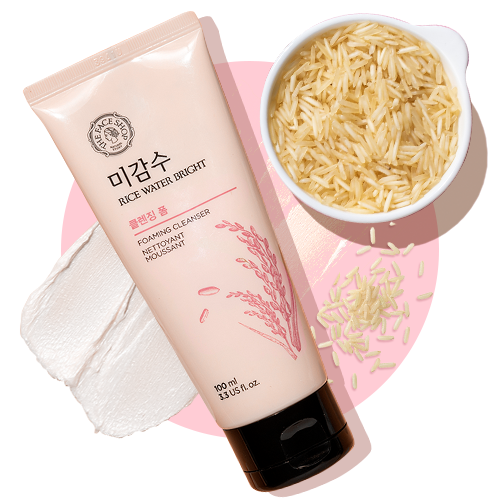
Pollution particles can cling to skin and block the effectiveness of your routine. Begin with a gentle, brightening cleanser that removes dirt without stripping natural oils. For example, a Vitamin C-infused face wash can kickstart your antioxidant protection from the first step.
- Choose sulfate-free formulas to avoid irritation, especially if you have sensitive or combination skin.
- For those in metro areas, double cleansing at night helps remove sunscreen, makeup, and pollution residue.
Explore our Best Korean Cleansers collection for options tailored to Indian skin needs.
Step 2: Apply Your Antioxidant Serum – Timing and Technique
After cleansing and toning, apply your antioxidant serum while skin is slightly damp. This maximizes absorption and efficacy. In India’s humid climate, opt for lightweight, fast-absorbing serums that won’t feel sticky or heavy.
- Use 2-3 drops for the entire face, gently pressing into skin.
- Wait 1-2 minutes for the serum to absorb before moving to the next step.
- Vitamin C and niacinamide can be safely layered if you choose gentle, well-formulated products.
Pro tip: Store Vitamin C serums in a cool, dark place to prevent oxidation, especially during Indian summers.
Step 3: Moisturizer – Lock in Hydration Without Clogging Pores
Hydration is key, even for oily or combination skin. Pollution and sun exposure can dehydrate skin, making pigmentation worse. Choose a gel-based or water-based moisturizer that suits your skin type and climate.
- Look for ingredients like hyaluronic acid and ceramides for barrier repair.
- In cities like Chennai or Kolkata, lightweight formulas prevent congestion in humid weather.
- For dry or air-conditioned environments, layer a richer cream at night.
Budget tip: Many effective K-beauty moisturizers are available in India for under INR 1,000, making them accessible for daily use.
Step 4: The SPF Layer – Your Daily Non-Negotiable
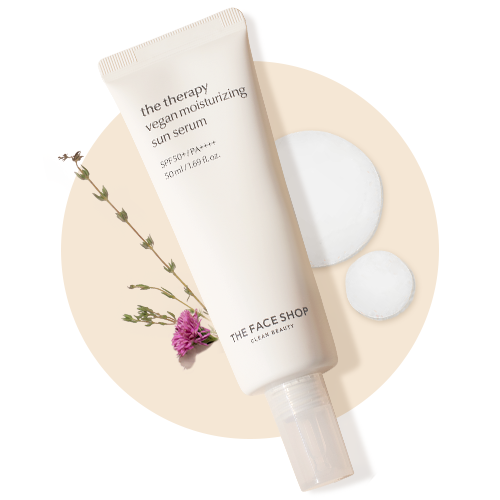
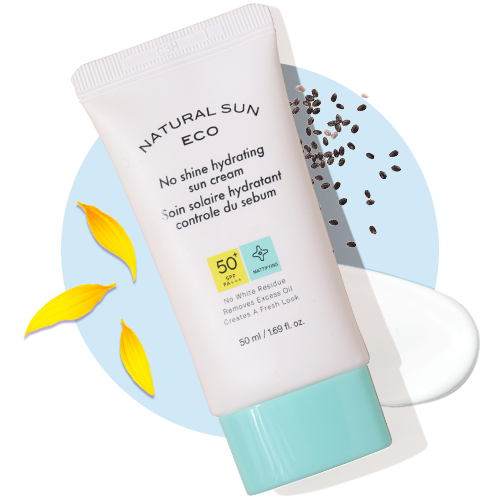
No antioxidant routine is complete without sunscreen. In India, dermatologists recommend a broad-spectrum SPF 30 or higher, reapplied every 2-3 hours if you’re outdoors. Sunscreen not only prevents new pigmentation but also protects the efficacy of your antioxidant serum.
- Choose lightweight, non-comedogenic formulas to avoid breakouts in hot weather.
- Look for added antioxidants in your sunscreen for extra protection against pollution.
- Don’t forget often-missed areas: ears, neck, and back of hands.
INR value tip: Investing in a good sunscreen saves money on future pigmentation treatments.
How to Layer: The Correct Order for Maximum Results
Layering order matters for both results and comfort. Here’s a quick checklist for your morning routine:
- Cleanser (e.g., Vitamin C Brightening Foaming Face Wash)
- Toner (optional, for extra hydration)
- Antioxidant serum (Vitamin C, niacinamide, or green tea extract)
- Moisturizer (gel or cream based on your skin type)
- SPF 30+ sunscreen (last step, before makeup)
Remember: Always apply sunscreen as the final step in your morning routine. At night, skip the SPF and focus on barrier repair.
Common Mistakes Indians Make with Antioxidants and SPF
Even the best products can disappoint if used incorrectly. Here are some frequent errors:
- Using too much product: More is not always better. Over-applying can cause pilling or irritation.
- Mixing incompatible actives: Avoid layering strong acids with Vitamin C in the same routine unless advised by a dermatologist.
- Skipping sunscreen indoors: UVA rays penetrate windows, so SPF is needed even at home.
- Not reapplying sunscreen: Pollution and sweat can break down SPF faster in Indian climates.
For more tips on managing uneven skin tone, see our Uneven Skin Tone collection.
Choosing the Right K-Beauty Antioxidant for Your Skin Type and Budget
K-beauty offers a range of antioxidant serums suitable for Indian skin tones and weather. Here’s how to choose:
- Oily/Acne-prone: Niacinamide serums help control oil and reduce dark spots.
- Dry/Sensitive: Look for Vitamin C derivatives (like sodium ascorbyl phosphate) or green tea-based formulas.
- Budget: Many K-beauty serums are available for INR 800-1,500, making them a smart investment for visible results.
Check for clinical evidence or consumer reviews specific to Indian users for added confidence.
How to Maximize Results: Lifestyle and Routine Tweaks for Urban India
Skincare is just one part of the pigmentation puzzle. Consider these India-specific lifestyle tweaks:
- Diet: Add antioxidant-rich foods like amla, guava, and tomatoes to your meals.
- Protective clothing: Wide-brimmed hats and sunglasses reduce UV exposure.
- Indoor air quality: Use air purifiers or keep windows closed during high pollution days.
- Consistency: Visible improvement in pigmentation usually takes 8-12 weeks of daily use.
For an extra boost, try a weekly sheet mask from our Sheet Masks collection to soothe and hydrate stressed skin.
Summary: Your Anti-Pigmentation Routine Checklist
- Cleanse thoroughly, especially after outdoor exposure
- Apply antioxidant serum every morning
- Moisturize based on your skin type and climate
- Never skip SPF, even indoors
- Stay consistent for best results
With the right layering technique and products, you can effectively fight pigmentation and enjoy brighter, healthier skin - no matter how polluted your city gets.
FAQ
Can I use Vitamin C and niacinamide together in my morning routine?
Yes, you can layer Vitamin C and niacinamide if both are gentle, well-formulated products. Apply Vitamin C first, wait a minute, then follow with niacinamide. This combination is safe for most Indian skin types and can enhance brightening effects.
How often should I reapply sunscreen in Indian cities?
Reapply sunscreen every 2-3 hours if you’re outdoors, especially in high-pollution or high-UV areas. Pollution and sweat can break down SPF faster, so frequent reapplication is crucial for protection.
What’s the best antioxidant serum for oily Indian skin?
Niacinamide-based serums are ideal for oily or acne-prone Indian skin. They help control oil, reduce inflammation, and fade dark spots without feeling heavy or sticky.
Is it necessary to use sunscreen indoors in India?
Yes, UVA rays can penetrate windows and contribute to pigmentation. Apply sunscreen daily, even if you spend most of your time indoors, to protect against both sun and pollution-related skin damage.
How long does it take to see results from an antioxidant and SPF routine?
Visible improvement in pigmentation usually takes 8-12 weeks of consistent daily use. Results may vary based on skin type, severity of pigmentation, and adherence to the routine.