
Quick Summary
Curious about combining actives for glass skin on sensitive Indian skin? Dermatologists explain how to layer K-beauty actives safely, avoid redness, and build your ideal routine.
Dreaming of that luminous, poreless 'glass skin' glow, but worried about irritation or redness? If you have sensitive Indian skin, combining active ingredients can feel intimidating. We asked dermatologists and K-beauty experts to answer your most common questions, so you can build a safe, effective routine that delivers results - without the sting.
1. What Are 'Actives' and Why Are They Popular for Glass Skin?
Actives are potent skincare ingredients like vitamin C, niacinamide, AHAs, BHAs, and panthenol, designed to target specific concerns such as dullness, pigmentation, or uneven texture. In K-beauty routines, actives are key to achieving the coveted glass skin look - clear, hydrated, and radiant. Indian consumers are increasingly embracing actives for their proven results, but sensitive skin types need to proceed with extra care.
- Popular actives in India: Vitamin C, niacinamide, alpha arbutin, rice extract, and panthenol.
- Why actives matter: They address common Indian skin issues like hyperpigmentation, sun damage, and dullness.
- Evidence: Studies from NCBI show vitamin C and niacinamide can visibly brighten and even skin tone when used consistently.
2. Can Sensitive Indian Skin Safely Use Multiple Actives?
Yes, but with caution. Dermatologists recommend a 'less is more' approach for sensitive skin. Overloading your routine with too many actives can disrupt your skin barrier, leading to redness or irritation - especially in India's hot, humid climate.
- Start with one active at a time and monitor your skin's response for at least two weeks.
- Introduce a second active only if your skin feels comfortable and shows no signs of irritation.
- Always patch test new products on your jawline before full application.
India-specific tip: Humidity and pollution can make skin more reactive. Use gentle, fragrance-free formulas and avoid layering more than two actives in a single routine.
3. Which Actives Pair Well Together for Glass Skin - And Which Should You Avoid Mixing?
Some actives complement each other, while others can cause irritation if combined. For sensitive Indian skin, these combinations are generally safe:
- Vitamin C + Niacinamide: Brightens and strengthens the skin barrier. Modern research shows this pairing is safe and effective.
- Rice Extract + Panthenol: Soothes and hydrates while gently brightening.
- Alpha Arbutin + Niacinamide: Targets pigmentation without harshness.
Combinations to avoid:
- Vitamin C + AHAs/BHAs (can increase sensitivity)
- Retinol + Vitamin C (may cause redness or peeling)
- Multiple exfoliating acids in one routine
Always check product instructions and consult a dermatologist if unsure. For example, Alltimate Panthenol 2% Exfoliating Gel is formulated to be gentle enough for sensitive skin, making it a good choice for beginners.
4. How Should You Layer Actives for Maximum Results (and Minimum Irritation)?
Layering order matters, especially for sensitive skin. Here’s a dermatologist-approved sequence for Indian routines:
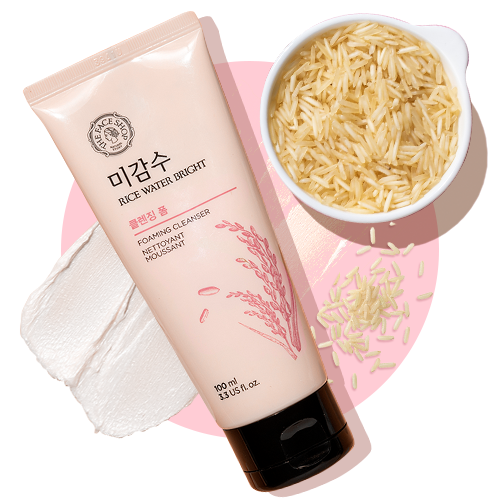
- Cleanser: Start with a gentle, non-stripping cleanser. Try Rice Water Bright Light Cleansing Oil for effective makeup removal and a soft glow.
- Toner/Essence: Hydrating, alcohol-free formulas prep the skin.
- Active Serum: Apply your chosen active (e.g., vitamin C in the morning, niacinamide at night).
- Moisturizer: Lock in hydration with a barrier-supporting emulsion like Ceramide & Rice Moisturizing Emulsion.
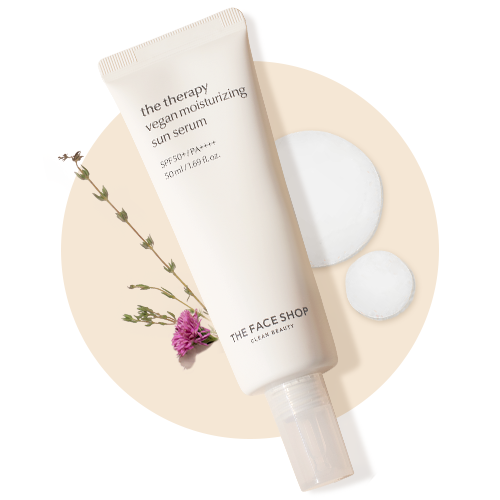
- Sunscreen (AM): Essential for protecting sensitive skin from UV damage and preventing further pigmentation.
Mini-checklist for layering:
- Wait 30-60 seconds between steps for better absorption.
- Apply actives to dry skin unless otherwise directed.
- Use sunscreen daily, even indoors.
5. What Are the Signs of Overdoing Actives - and How Can You Recover?
Redness, stinging, flaking, or increased sensitivity are warning signs you may be overusing actives. This is common in Indian summers when heat and sweat amplify irritation.
- Stop all actives immediately if you notice irritation.
- Switch to a simple, hydrating routine with gentle cleansers and fragrance-free moisturizers.
- Look for soothing ingredients like panthenol, rice extract, and ceramides.
- Reintroduce actives slowly after your skin calms down - usually after 1-2 weeks.
Remember, more is not always better. Consistency and patience yield the best glass skin results.
6. Are K-Beauty Actives Suitable for Indian Skin Tones and Concerns?
K-beauty actives are formulated for sensitive skin and humid climates, making them well-suited for Indian users. Ingredients like rice extract, panthenol, and ceramides address common Indian concerns such as dullness, mild pigmentation, and uneven tone.
- Rice extract: Naturally brightens and soothes, ideal for Indian skin prone to pigmentation.
- Panthenol: Calms irritation and supports barrier repair.
- Niacinamide: Reduces redness and strengthens skin against pollution.
Look for products from The Face Shop that are specifically labeled for sensitive skin and avoid harsh fragrances or alcohols.
7. How Can You Build a Glass Skin Routine on a Budget in India?
Achieving glass skin doesn’t require expensive products. Focus on essentials and multi-tasking actives. Many K-beauty-inspired products are now available in India at accessible price points (often under INR 1000 per step).
- Choose gentle cleansers with rice extract for under INR 900.
- Pick a single active serum (vitamin C or niacinamide) for INR 700-1200.
- Opt for a lightweight moisturizer with ceramides and rice for INR 800-1100.
- Shop value bundles like 2 at 799 for extra savings.
Tip: Consistency matters more than price. Even affordable routines can deliver visible results with regular use.
8. What Do Dermatologists Recommend for Preventing Redness When Mixing Actives?
Dermatologists stress the importance of skin barrier health. Here’s what they suggest for Indian skin:
- Use actives only 2-3 times a week if you’re new to them.
- Always moisturize after applying actives.
- Never skip sunscreen, as actives can make skin more sun-sensitive.
- Monitor your skin and adjust frequency based on weather - reduce actives during heatwaves or pollution spikes.
Remember: If in doubt, consult a dermatologist, especially if you have a history of eczema or allergies.
Key Takeaways: Your Path to Calm, Radiant Glass Skin
- Introduce actives slowly and patch test every new product.
- Layer actives thoughtfully, always following with moisturizer and sunscreen.
- Choose gentle, fragrance-free K-beauty actives suited for Indian skin.
- Watch for signs of irritation and scale back if needed.
- Consistency and patience are your best friends for glass skin.
Frequently Asked Questions
-
Can I use vitamin C and niacinamide together on sensitive Indian skin?
Yes, modern research confirms this pairing is safe and effective for most skin types, including sensitive Indian skin. Introduce slowly and always moisturize after. -
How often should I use exfoliating actives if I have sensitive skin?
Limit exfoliating acids (like AHAs or BHAs) to once or twice a week. Overuse can cause redness, especially in humid Indian climates. -
What’s the best way to patch test a new active?
Apply a small amount to your jawline or behind your ear. Wait 24 hours to check for redness or irritation before using on your face. -
Are K-beauty actives better than traditional Indian remedies?
K-beauty actives offer targeted, clinically tested results. However, some traditional ingredients like turmeric and sandalwood are also beneficial. Choose what suits your skin and lifestyle. -
How long does it take to see results from a glass skin routine?
Most people notice brighter, smoother skin within 4-6 weeks of consistent use. Results vary based on skin type and product choice.
FAQ
Can I use vitamin C and niacinamide together on sensitive Indian skin?
Yes, modern research confirms this pairing is safe and effective for most skin types, including sensitive Indian skin. Introduce slowly and always moisturize after.
How often should I use exfoliating actives if I have sensitive skin?
Limit exfoliating acids (like AHAs or BHAs) to once or twice a week. Overuse can cause redness, especially in humid Indian climates.
What’s the best way to patch test a new active?
Apply a small amount to your jawline or behind your ear. Wait 24 hours to check for redness or irritation before using on your face.
Are K-beauty actives better than traditional Indian remedies?
K-beauty actives offer targeted, clinically tested results. However, some traditional ingredients like turmeric and sandalwood are also beneficial. Choose what suits your skin and lifestyle.
How long does it take to see results from a glass skin routine?
Most people notice brighter, smoother skin within 4-6 weeks of consistent use. Results vary based on skin type and product choice.