
Quick Summary
Curious about mixing K-Beauty actives for glass skin on Indian skin? Discover dermatologist-backed tips, safe combinations, and practical routines for irritation-free radiance.
Indian skincare enthusiasts are increasingly drawn to the luminous 'glass skin' trend popularized by K-Beauty. But with so many potent actives - like vitamin C, niacinamide, AHAs, and retinol - questions arise: Can you safely layer these for Indian skin? What combinations work best in our climate, and how do you avoid irritation? Here, we decode dermatologist-backed advice, practical routines, and product picks tailored for Indian skin types and concerns.
1. Why Mixing K-Beauty Actives Is a Hot Topic in India
Layering actives is central to the glass skin routine, but Indian skin faces unique challenges: higher melanin, humidity, pollution, and sensitivity. Dermatologists in Mumbai and Delhi report a surge in irritation cases from improper mixing of actives. According to a 2023 survey by the Indian Association of Dermatologists, over 40% of urban users experienced redness or breakouts after trying multi-active routines. This makes understanding safe combinations crucial for Indian consumers.
- Indian climate: Heat and humidity can amplify irritation from strong actives.
- Pollution: Increases skin sensitivity and barrier damage, making gentle layering essential.
- Melanin-rich skin: More prone to post-inflammatory hyperpigmentation if irritated.
2. The Science: How K-Beauty Actives Work Together
K-Beauty actives like vitamin C, niacinamide, AHAs (alpha hydroxy acids), and retinol each target different skin concerns. When layered correctly, they can deliver transformative results. However, some combinations can trigger irritation, especially on Indian skin that may already be stressed by environmental factors.
- Vitamin C: Brightens and protects against pollution-induced dullness.
- Niacinamide: Calms inflammation, fades dark spots, and strengthens the barrier.
- AHAs/BHAs: Exfoliate dead skin, revealing glow but can be harsh if overused.
- Retinol: Smooths fine lines and boosts cell turnover, but increases sensitivity.
Dermatologists recommend starting with one active, then slowly introducing another, monitoring for irritation. For example, niacinamide and vitamin C can be layered, but retinol and AHAs should be used on alternate nights.
3. Safe Combinations: What Works for Indian Skin?
Not all actives play well together, especially in India's climate. Here are dermatologist-approved combinations:
- Niacinamide + Vitamin C: Research shows these can be safely layered, offering brightening and anti-inflammatory benefits. Ideal for Indian skin prone to pigmentation and redness.
- AHAs + Hydrating Toner: After gentle exfoliation, follow with a hydrating toner to reduce irritation. Try a hydrating toner for best results.
- Retinol + Ceramides: Retinol can be drying, so pair with a ceramide-rich moisturizer to support the skin barrier. The Ceramide & Rice Moisturizing Emulsion is a gentle option.
Pro tip: Always patch test new combinations and introduce actives gradually, especially if you have sensitive or melanin-rich skin.
4. What to Avoid: Risky Pairings and Common Mistakes
Some active combinations can trigger irritation, especially in Indian weather. Avoid these pairings:
- Retinol + AHAs/BHAs: Both increase cell turnover and can cause peeling, redness, and sensitivity.
- Vitamin C + AHAs: Both are acidic and may destabilize each other, increasing irritation risk.
- Too many actives at once: Overloading the skin can backfire, especially in humid or polluted cities like Mumbai or Delhi.
Dermatologists also caution against using high-strength actives daily. Instead, alternate actives and prioritize barrier repair.
5. Building a Glass Skin Routine for Indian Skin: Step-by-Step
Here’s a practical routine tailored for Indian skin, balancing actives and hydration:
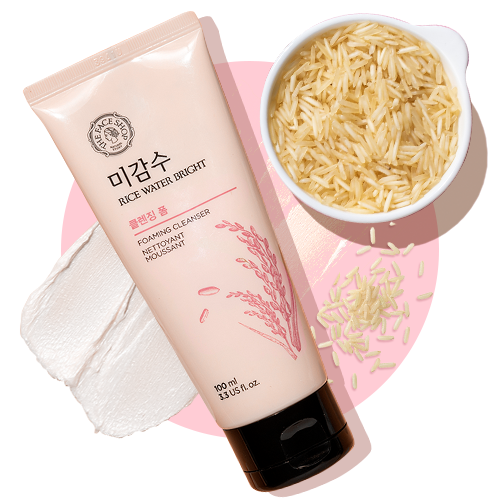
- Cleanse: Use a gentle cleanser like Rice Water Bright Cleansing Foam to remove pollution and excess oil.
- Tone: Apply a hydrating toner to prep skin and buffer actives.
- Vitamin C serum (AM): Brightens and protects against pollution.
- Niacinamide serum (PM): Calms and repairs overnight.
- Moisturizer: Lock in hydration with a ceramide-rich formula.
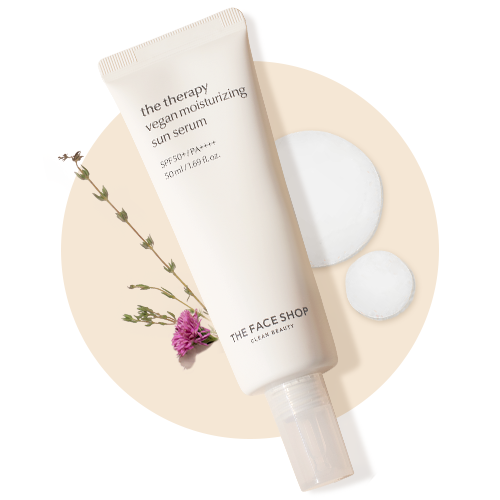
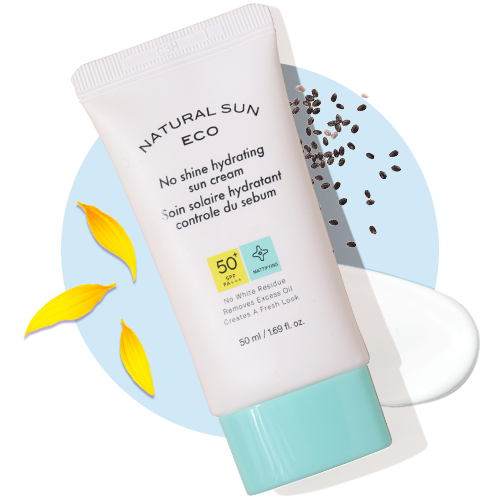
- Sunscreen (AM): Essential to prevent pigmentation and irritation from actives.
For those new to actives, start with 2-3 steps and add more as your skin adjusts.
6. Ingredient Spotlight: Ceramides, Centella, and More for Indian Concerns
Indian skin often faces pollution, heat, and barrier damage. Look for these ingredients in your K-Beauty routine:
- Ceramides: Strengthen the skin barrier, crucial for sensitive or irritated skin. The Ceramide & Rice Moisturizing Emulsion offers barrier support without heaviness.
- Centella Asiatica: Soothes inflammation, ideal for heat-induced redness.
- Panthenol: Deeply hydrates and calms, perfect for post-active recovery.
These ingredients are especially valuable in polluted Indian cities, where environmental stress can weaken the skin barrier.
7. Real Results: What Indian Users Say About Mixing Actives
Indian consumers report best results when introducing actives slowly and focusing on hydration. For example, a Bengaluru-based user layered vitamin C and niacinamide, noticing brighter skin and fewer dark spots within six weeks - without irritation. Another user in Delhi alternated retinol and AHAs, but only after building up tolerance, and used a ceramide moisturizer to prevent dryness.
- Tip: Track your skin’s response in a journal. If you notice redness or stinging, scale back and focus on barrier repair.
8. Price, Value, and Accessibility: K-Beauty Actives in India
K-Beauty actives are now widely available in India, with prices ranging from INR 800 to INR 2,500 for serums and moisturizers. While some actives may seem pricey, investing in a well-formulated serum can prevent costly skin issues down the line. For example, a ceramide-rich moisturizer like the Ceramide & Rice Moisturizing Emulsion offers barrier repair at a mid-range price point, making it accessible for most budgets.
- Look for multi-tasking products to maximize value.
- Shop from trusted sources like The Face Shop for authentic K-Beauty actives.
9. Expert Tips: How to Minimize Irritation and Maximize Glow
- Introduce one new active at a time, waiting at least two weeks before adding another.
- Always patch test on your jawline before full-face application.
- Use a hydrating toner and ceramide moisturizer to buffer actives.
- Never skip sunscreen, especially when using exfoliants or retinol.
- Listen to your skin - if you notice stinging or redness, pause actives and focus on barrier repair.
Remember, glass skin is about healthy, hydrated skin - not just shine. Prioritize barrier health for lasting results.
10. The Bottom Line: Should You Mix K-Beauty Actives for Glass Skin?
Mixing K-Beauty actives can help you achieve glass skin, but Indian skin needs a tailored, gentle approach. Focus on safe combinations, gradual introduction, and barrier repair. Consult a dermatologist if you have persistent irritation or underlying skin conditions. With the right routine, you can enjoy radiant, irritation-free skin - no matter the climate.
FAQ
Can I use vitamin C and niacinamide together on Indian skin?
Yes, recent research and dermatologist experience confirm that vitamin C and niacinamide can be safely layered. This combination is particularly effective for Indian skin prone to pigmentation and redness. Always patch test and introduce gradually.
Should I avoid using retinol and AHAs together?
Yes, using retinol and AHAs (like glycolic acid) together can increase irritation, redness, and peeling, especially on sensitive Indian skin. Alternate these actives on different nights and always use a barrier-repair moisturizer.
How do I know if my skin is irritated by actives?
Signs of irritation include redness, stinging, peeling, or increased sensitivity. If you notice these symptoms, stop all actives and focus on hydration and barrier repair. Consult a dermatologist if irritation persists.
Are K-Beauty actives suitable for oily or acne-prone Indian skin?
Many K-Beauty actives, like niacinamide and gentle exfoliants, are suitable for oily or acne-prone skin. However, introduce one product at a time and avoid over-exfoliation, especially in humid Indian summers.
Where can I buy authentic K-Beauty actives in India?
Purchase from trusted retailers like The Face Shop to ensure product authenticity and safety. Look for INR pricing and check for reviews from Indian users.