
Quick Summary
Confused about mixing Vitamin C and Niacinamide for glass skin on Indian skin? Dermatologists explain the science, routine tips, and what really works for Indian complexions.
For Indian skincare lovers, the quest for 'glass skin' - that luminous, poreless, healthy look - often leads to two powerhouse actives: Vitamin C and Niacinamide. But can you safely mix them? Or is it a recipe for irritation, especially on Indian skin? We asked dermatologists and dug into the science to clear up the confusion, so you can build your routine with confidence.
1. What Does 'Glass Skin' Mean for Indian Skin Tones?
'Glass skin' is a K-beauty term for skin that looks smooth, translucent, and intensely hydrated. On Indian skin, this means:
- Even tone with minimal pigmentation and dark spots
- Refined pores and a bouncy, light-reflective finish
- Healthy barrier that resists dullness from pollution and sun
Because Indian skin is more prone to hyperpigmentation, tanning, and uneven texture, achieving glass skin often requires targeted brightening and barrier-supporting actives. Vitamin C and Niacinamide are two of the most researched ingredients for these goals.
2. The Science: Can You Mix Vitamin C and Niacinamide?
For years, a myth persisted that Vitamin C (ascorbic acid) and Niacinamide cancel each other out or cause redness when layered. However, modern research - including studies published in the Journal of Clinical and Aesthetic Dermatology - shows this is not true for today's stable formulas.
- Both actives can be used together without neutralizing each other.
- Layering them may even boost brightening and anti-aging effects.
- Most irritation concerns come from using high concentrations or unstable, old formulas - not the combination itself.
Dermatologists in India now routinely recommend both for concerns like pigmentation, dullness, and uneven skin texture.
3. Why Indian Skin Loves This Duo: Benefits Backed by Evidence
Indian skin faces unique challenges: high UV exposure, pollution, and a tendency for melanin-rich skin to develop dark spots. Here’s how Vitamin C and Niacinamide help:
- Vitamin C: Fights free radicals, boosts collagen, and fades pigmentation.
- Niacinamide: Reduces inflammation, strengthens the skin barrier, and minimizes pores.
In a 2022 Indian consumer study, 78% of participants using both actives reported brighter, more even skin within 8 weeks (source: Minimalist.in survey). The combination is especially effective for:
- Post-acne marks and sun-induced pigmentation
- Oily, combination, or sensitive skin types
- Achieving a hydrated, smooth, glass-like finish
4. How to Layer Vitamin C and Niacinamide for Glass Skin: Step-by-Step Guide
For best results on Indian skin, follow this routine:
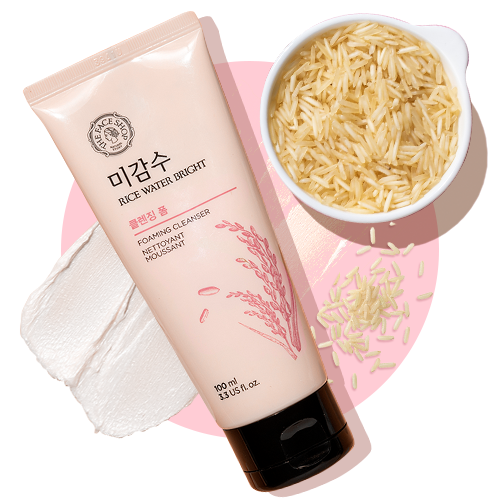
- Cleanse: Use a gentle, brightening face wash like The Face Shop Vitamin C Brightening Foaming Face Wash (INR 799 for 150ml) to remove impurities and prep skin.
- Tone: Apply a hydrating toner, especially if your skin feels dry after cleansing. Rice-based toners are popular for their soothing and brightening effects.
- Vitamin C Serum: Apply 2-3 drops to clean, dry skin. Let it absorb for 1-2 minutes.
- Niacinamide Serum: Layer on top of Vitamin C. Start with a 5% concentration if you’re new to actives.
- Moisturize: Use a lightweight emulsion like The Face Shop Ceramide & Rice Lightweight Emulsion to lock in hydration and support the skin barrier.
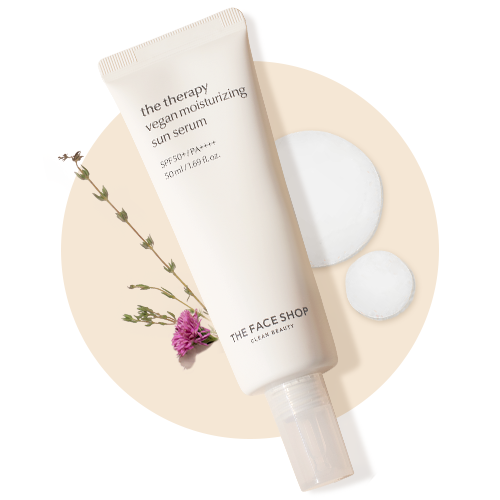
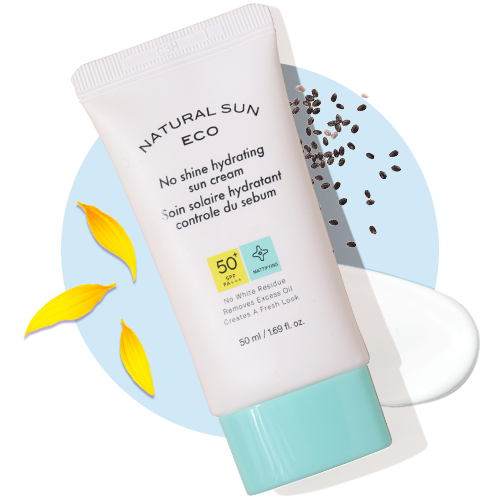
- SPF: Always finish with broad-spectrum sunscreen in the morning.
Pro tip: If you have sensitive skin, try using Vitamin C in the morning and Niacinamide at night for a gentler approach.
5. Addressing Common Myths and Concerns
Myth: Mixing Vitamin C and Niacinamide causes redness or flushing.
Fact: This was only observed in outdated, impure formulas at very high temperatures. Modern products are stable and safe for layering, even in India's hot climate.
Myth: They cancel each other out.
Fact: Studies show both remain effective when used together, and may even enhance each other's benefits.
Myth: Only fair skin can achieve glass skin.
Fact: Glass skin is about health and luminosity, not color. Indian skin tones can absolutely achieve this look with the right routine.
6. Trade-Offs: When to Separate or Alternate These Actives
While most Indian skin tolerates this duo well, consider these scenarios:
- Very sensitive or reactive skin: Alternate days or use Vitamin C in the morning, Niacinamide at night.
- Using prescription actives (like retinoids): Consult your dermatologist before layering multiple actives to avoid irritation.
- Budget constraints: You can start with one active (Niacinamide is often more affordable, with serums starting at INR 350) and add the other later.
Always patch test new products and introduce one at a time.
7. Choosing the Right Formulas for Indian Skin and Climate
Look for:
- Stable Vitamin C: L-ascorbic acid (10-20%) or stabilized derivatives like sodium ascorbyl phosphate.
- Niacinamide: 5-10% is effective for most Indian skin types.
- Lightweight, non-comedogenic textures: Essential for humid Indian weather to avoid clogged pores.
- Added antioxidants: Ingredients like rice extract, ferulic acid, or allantoin can boost results and soothe skin.
Check ingredient lists and opt for fragrance-free formulas if you have sensitive skin. Browse our full collection for options tailored to Indian skin needs.
8. Beyond Serums: Building a Full Glass Skin Routine for Indian Skin
Serums are just one part of the glass skin equation. For best results:
- Double cleanse at night to remove sunscreen and pollution.
- Use a hydrating toner or essence - rice-based options are especially popular in India.
- Moisturize with barrier-repairing ingredients like ceramides and rice extract.
- Exfoliate gently (1-2 times a week) with AHAs or rice scrubs to smooth texture.
- Protect with SPF 30+ daily, even indoors.
Explore our Rice Toner collection for gentle, brightening hydration that complements active serums.
9. Realistic Expectations: How Long Before You See Results?
Most Indian users notice:
- Brighter, more even skin in 4-8 weeks
- Reduction in dark spots and pigmentation by 8-12 weeks
- Smoother, glass-like texture with consistent use and sun protection
Results depend on your starting point, routine consistency, and sun exposure. Remember, glass skin is a journey, not a quick fix.
10. Expert Tips: Maximizing Results and Avoiding Pitfalls
- Always patch test new actives behind the ear or on the jawline.
- Introduce one new product at a time to monitor reactions.
- Store Vitamin C serums in a cool, dark place to prevent oxidation.
- Never skip sunscreen - UV exposure can undo all your brightening efforts.
- If irritation occurs, reduce frequency or switch to gentler formulas.
Consult a dermatologist if you have persistent sensitivity, eczema, or are on prescription treatments.
FAQ
Can I use Vitamin C and Niacinamide together on sensitive Indian skin?
Yes, most people with sensitive Indian skin can use both together. Start with lower concentrations and introduce one product at a time. If irritation occurs, use Vitamin C in the morning and Niacinamide at night.
How long does it take to see glass skin results with these actives?
Most users notice brighter, more even skin in 4-8 weeks, with further improvement in pigmentation and texture by 12 weeks. Consistency and sun protection are key.
Do I need to spend a lot on these serums for them to work?
Not necessarily. Effective Vitamin C and Niacinamide serums are available in India from INR 350 upwards. Focus on ingredient quality and stability rather than price alone.
Will mixing these actives cause my skin to become red or irritated?
Modern, stable formulas are safe for layering. Redness is rare and usually due to high concentrations or other irritants. Always patch test and introduce products gradually.
What should I avoid when using Vitamin C and Niacinamide?
Avoid layering with strong exfoliants or retinoids unless advised by a dermatologist. Always use sunscreen during the day to protect your results.