
Quick Summary
Indian dermatologists explain why monsoon breakouts persist and reveal K-Beauty cleanser-serum secrets for achieving glass skin, even in humid weather. Discover evidence-backed tips, ingredient insights, and practical routines for oily, acne-prone skin.
Monsoon in India brings much-needed relief from the heat, but for many, it also means sudden breakouts, oily skin, and a dull complexion. If you’re frustrated by persistent pimples and shine despite your best efforts, you’re not alone. We asked leading dermatologists and K-Beauty experts to explain why these issues happen - and how a science-backed cleanser-serum routine can help you achieve the coveted 'glass skin' glow, even in the stickiest weather.
Why Do Breakouts Spike During the Indian Monsoon?
High humidity, fluctuating temperatures, and increased sweat create the perfect storm for skin troubles. According to Dr. Priya Sharma, a Mumbai-based dermatologist, “Humidity increases sebum production, which mixes with sweat and environmental pollutants. This clogs pores and triggers acne, especially in urban Indian environments.”
- Fact: Studies show that sebum production can increase by up to 30% during the monsoon in Indian metros.
- Counterintuitive: Over-cleansing or using harsh soaps can worsen oiliness by stripping the skin, causing rebound sebum production.
- Practical tip: Stick to gentle, pH-balanced cleansers and avoid washing your face more than twice daily.
Myth vs. Fact: Do You Need to Cleanse More Often in Monsoon?
It’s tempting to wash your face every time it feels greasy, but experts warn against it. Dr. Sharma clarifies, “Cleansing more than twice a day can disrupt your skin barrier, making it more prone to irritation and breakouts.” Instead, focus on technique and product choice.
- Myth: Foaming cleansers are always bad for oily skin.
- Fact: Modern foaming cleansers with gentle surfactants can effectively remove oil without stripping.
- Look for ingredients like rice water, ceramides, and glycerin for balanced cleansing.
The K-Beauty Double Cleansing Ritual: Why It Works for Indian Skin
K-Beauty’s double cleansing method - starting with an oil-based cleanser followed by a gentle foaming cleanser - has gained traction in India. This approach removes sunscreen, makeup, and excess sebum without over-drying.
- Step 1: Use an oil cleanser to dissolve waterproof sunscreen and pollution particles.
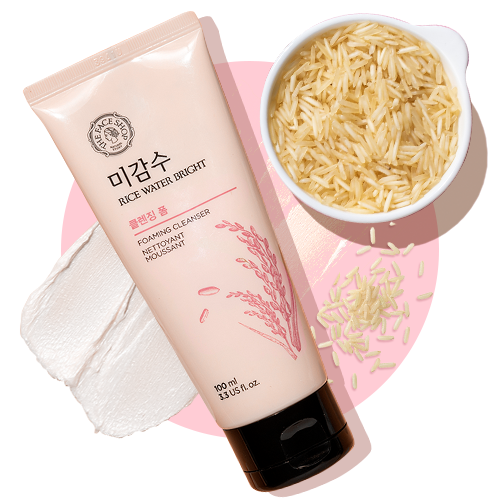
- Step 2: Follow with a mild foaming cleanser like Rice Water Bright Cleansing Foam to lift away sweat and residual impurities.
- Massage gently in circular motions for 30-60 seconds for best results.
Many Indian users report fewer breakouts and a brighter complexion after adopting this routine, especially during the monsoon.
Ingredient Spotlight: What to Look for in Monsoon Cleansers
Not all cleansers are created equal. For humid Indian weather, dermatologists recommend:
- Rice Water: Brightens and hydrates without heaviness.
- Ceramides: Strengthen the skin barrier, reducing sensitivity.
- Niacinamide: Controls oil and soothes inflammation.
- Salicylic Acid: Gently exfoliates and unclogs pores, ideal for acne-prone skin.
Choose products free from harsh sulfates and alcohol. Rice Water Bright Cleansing Foam is a popular K-Beauty pick for Indian skin, offering effective cleansing at around INR 650 for 150ml - a value-friendly choice compared to imported alternatives.
Serums for Glass Skin: What Works in Indian Humidity?
After cleansing, the right serum can make all the difference. The 'glass skin' look - clear, luminous, and hydrated - relies on lightweight, non-comedogenic formulas that won’t clog pores in sticky weather.
- Hyaluronic Acid: Attracts moisture without heaviness.
- Niacinamide: Fades dark spots and controls oil.
- Snail Mucin: Repairs and soothes, popular in K-Beauty routines.
Apply serum on damp skin for better absorption. For barrier repair, try a lightweight emulsion like Ceramide & Rice Lightweight Emulsion, which hydrates without greasiness and is suitable for all Indian skin tones.
Routine Builder: Step-by-Step Monsoon Skincare for Every Skin Type
Here’s a dermatologist-approved, India-friendly routine for the monsoon:
- Cleanse: Double cleanse at night; single cleanse in the morning.
- Tone: Use a hydrating toner to balance pH (see our Hydrating Toner collection).
- Serum: Choose based on your concern - niacinamide for oil control, hyaluronic acid for hydration.
- Moisturize: Lightweight emulsions work best in humidity.
- Sunscreen: Don’t skip, even on cloudy days.
Tip: Always patch-test new products, especially if you have sensitive or acne-prone skin.
Expert Q&A: Addressing Common Monsoon Skincare Frustrations
-
Q: Why does my skin feel sticky even after cleansing?
A: Humidity slows sweat evaporation. Use a gentle foaming cleanser and avoid heavy creams. -
Q: Can I skip moisturizer if my skin is oily?
A: No. Use a lightweight, non-comedogenic moisturizer to prevent dehydration and excess oil. -
Q: Are serums safe for acne-prone skin?
A: Yes, if you choose non-comedogenic, fragrance-free formulas with proven actives like niacinamide.
Glass Skin in Monsoon: Real Results from Indian Users
Many Indian consumers have achieved visible improvements in skin clarity and texture by switching to K-Beauty routines. For example, users of Rice Water Bright Cleansing Foam report fewer breakouts and a brighter complexion within weeks. The combination of gentle cleansing and targeted serums is key to maintaining glass skin, even in Mumbai’s or Chennai’s humid climate.
- INR value: Investing in a quality cleanser and serum can cost less than INR 2000 for a 2-3 month supply - affordable compared to frequent salon treatments.
- Tip: Consistency matters more than expensive products. Stick to your routine for best results.
Choosing the Right K-Beauty Products: What to Prioritize
With so many options, focus on:
- pH-balanced, gentle cleansers (like Rice Water Bright Cleansing Foam).
- Serums with clinically proven actives for your skin concern.
- Lightweight emulsions for barrier repair (see Ceramide & Rice Lightweight Emulsion).
- Check for Indian skin compatibility and patch-test before full use.
Browse our POS B2G1 collection for value bundles tailored to monsoon skincare needs.
Limitations and When to See a Dermatologist
While K-Beauty routines work for most, severe or persistent acne may require medical attention. If you experience painful cysts, scarring, or sudden changes in your skin, consult a qualified Indian dermatologist. No over-the-counter product can replace professional care for medical skin conditions.
- Tip: Always check ingredient lists for potential allergens.
- Remember: Results vary based on genetics, lifestyle, and climate.
FAQ
Why do I get more pimples during the monsoon in India?
Humidity and sweat increase sebum production, which mixes with pollutants and clogs pores, leading to more breakouts. Using gentle, pH-balanced cleansers can help control this.
Should I wash my face more often in humid weather?
No. Over-cleansing can strip your skin and trigger more oil production. Stick to cleansing twice daily with a gentle formula.
Which K-Beauty cleanser is best for oily, acne-prone skin in the monsoon?
A mild foaming cleanser with rice water or ceramides, like Rice Water Bright Cleansing Foam, is ideal for balancing oil and preventing breakouts.
Are serums safe for acne-prone skin during monsoon?
Yes, if you choose lightweight, non-comedogenic serums with actives like niacinamide or hyaluronic acid. Always patch-test first.
When should I see a dermatologist for monsoon breakouts?
If you have severe, painful, or persistent acne that doesn't improve with over-the-counter products, consult a qualified Indian dermatologist.