
Quick Summary
Confused if your monsoon cleanser is helping or hurting your acne-prone skin? Dermatologists reveal common cleansing mistakes, what to use instead, and how to choose the right cleanser for Indian humidity.
The Indian monsoon brings much-needed relief from the heat, but for those with oily or acne-prone skin, it can also mean a sudden spike in breakouts. If you’ve ever wondered whether your face wash is helping or harming your skin during this season, you’re not alone. We asked leading dermatologists to debunk cleansing myths and share science-backed advice for clear, healthy skin all monsoon long.
Why Monsoon Makes Oily, Acne-Prone Skin More Challenging
Humidity levels in India can soar above 80% during the monsoon, leading to excess sebum, clogged pores, and increased bacterial growth. According to a 2022 survey by the Indian Association of Dermatologists, 67% of respondents reported more frequent breakouts during the rainy season. The culprit? Not just the weather, but also how you cleanse.
- High humidity increases sweat and oil production.
- Pollution and rainwater can deposit irritants on skin.
- Over-cleansing or using harsh cleansers can strip the skin barrier, making things worse.
Understanding these triggers is the first step to choosing the right cleansing strategy.
Common Cleansing Mistakes During Monsoon (And Their Surprising Effects)
Many believe that washing more often or using stronger cleansers will keep acne at bay. Dermatologists warn this can backfire:
- Over-washing (more than twice daily) can dehydrate skin, causing rebound oiliness.
- Alkaline cleansers (high pH) disrupt the skin’s acid mantle, increasing sensitivity and breakouts.
- Scrubbing with physical exfoliants can cause micro-tears, worsening inflammation.
Dr. Neha Sharma, a Mumbai-based dermatologist, notes, “Gentle, pH-balanced cleansers are essential for Indian skin during monsoon. Harsh products can trigger more acne, not less.”
What Makes a Cleanser ‘Monsoon-Safe’ for Indian Skin?
Look for these features when shopping for a monsoon cleanser:
- Low to neutral pH (5.5-6.5): Maintains skin barrier and prevents irritation.
- Gentle surfactants: Avoids over-drying while removing excess oil and grime.
- Hydrating ingredients: Glycerin, hyaluronic acid, and ceramides help retain moisture.
- Non-comedogenic: Won’t clog pores or worsen acne.
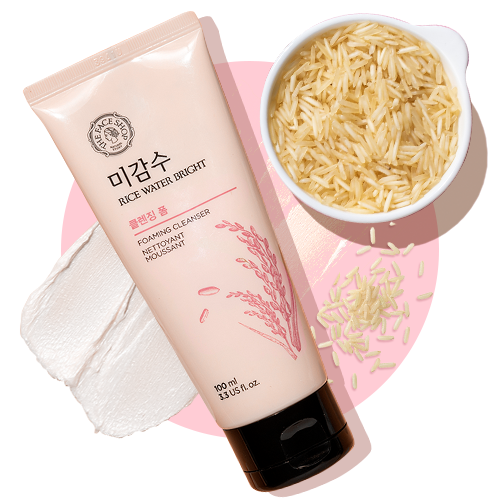
For example, The Face Shop Rice Water Bright Cleansing Foam is formulated with rice water and gentle surfactants, making it suitable for oily, acne-prone Indian skin in humid weather. At around INR 650 for 150ml, it offers excellent value compared to imported options.
Expert Q&A: Dermatologists Bust Monsoon Cleansing Myths
Q: Should I wash my face more often during monsoon?
A: No. Stick to twice daily. Over-washing strips natural oils, causing rebound oiliness and irritation.
Q: Are foaming cleansers bad for acne?
A: Not always. Choose sulfate-free, gentle foams like The Face Shop Rice Water Bright Cleansing Foam that cleanse without drying.
Q: Can I use the same cleanser year-round?
A: Not necessarily. Monsoon humidity may require a lighter, hydrating formula compared to winter.
Q: Do I need a separate cleanser for makeup removal?
A: If you wear heavy makeup or sunscreen, consider double cleansing. Start with a gentle oil-based cleanser, then follow with a water-based foam.
Top Ingredients to Look for in a Monsoon Cleanser
Dermatologists recommend these ingredients for Indian skin during the rainy season:
- Rice water: Brightens and soothes without stripping.
- Glycerin: Attracts moisture, preventing dehydration.
- Ceramides: Strengthen the skin barrier, reducing sensitivity.
- Tea tree oil: Natural antibacterial, helps control acne.
- Green tea extract: Calms inflammation and reduces sebum.
Products like The Face Shop Rice Water Bright Cleansing Foam and those in the Charcoal & Detox Cleanser for Oily Skin collection are formulated with these actives, making them ideal for monsoon use in India.
How to Choose the Right Cleanser for Your Skin Type (With INR Value Tips)
Not all oily skin is the same. Here’s how to match your cleanser to your needs:
- For very oily, acne-prone skin: Try a gentle foaming cleanser with tea tree or charcoal. The Charcoal & Detox Cleanser for Oily Skin collection offers options starting at INR 500.
- For combination skin: Look for hydrating, pH-balanced cleansers with rice water or ceramides. The Face Shop Rice Water Bright Cleansing Foam is a balanced choice.
- For sensitive, acne-prone skin: Avoid fragrances and harsh surfactants. Opt for minimalist formulas with ceramides, such as the Ceramide & Rice Lightweight Emulsion for Barrier Repair as a follow-up moisturizer.
Budget tip: Buying during monsoon sales or in value packs can save up to 20% compared to single units.
Step-by-Step: The Ideal Monsoon Cleansing Routine
Follow this dermatologist-approved routine for best results:
- Wash hands thoroughly before touching your face.
- Use lukewarm (not hot) water to avoid stripping natural oils.
- Dispense a pea-sized amount of cleanser and gently massage for 30 seconds.
- Rinse well and pat dry with a clean towel.
- Follow with a hydrating toner and lightweight moisturizer. Explore our Hydrating Toner collection for options.
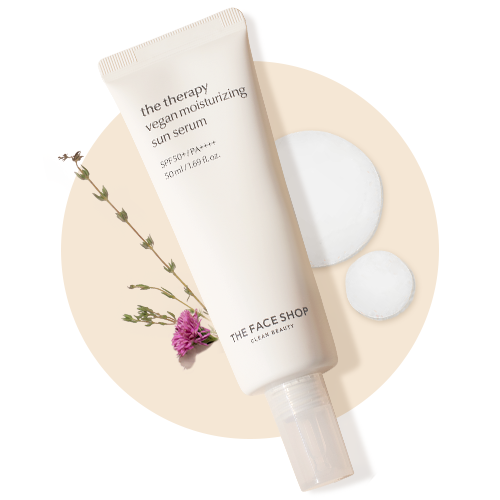
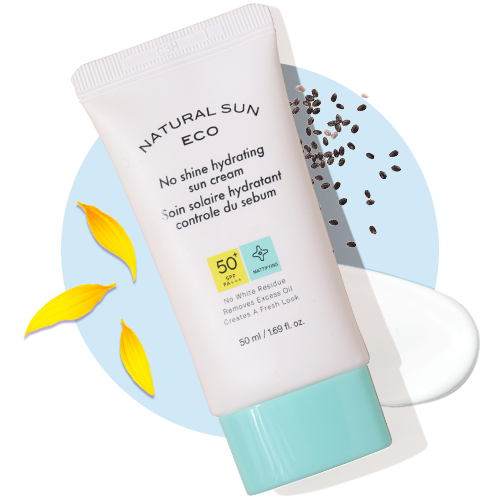
- Finish with sunscreen, even on cloudy days. See our Korean Sunscreen collection for recommendations.
Consistency is key. Avoid switching products too often, as this can destabilize your skin barrier.
Real Results: What to Expect (And What Not to Promise)
With the right cleanser, most users notice:
- Reduced oiliness within 1 week
- Fewer new breakouts after 2-3 weeks
- Smoother, less congested skin texture
However, severe or cystic acne may require prescription treatments. Always consult a dermatologist if breakouts persist or worsen.
Checklist: Signs Your Cleanser Is Working For You
- No tightness or stinging after washing
- Oil control lasts at least 4-6 hours
- Fewer clogged pores or whiteheads
- Skin feels soft, not squeaky or dry
If you notice increased redness, peeling, or persistent breakouts, it may be time to switch to a gentler formula.
Conclusion: Invest in the Right Cleanser for Monsoon Confidence
Choosing a monsoon-safe cleanser is one of the smartest investments for clear, healthy skin in India’s humid climate. Look for gentle, pH-balanced formulas with hydrating and soothing ingredients. Products like The Face Shop Rice Water Bright Cleansing Foam offer proven results at an accessible price point. Remember, consistency and the right technique matter as much as the product itself. For best results, pair your cleanser with a lightweight moisturizer and broad-spectrum sunscreen.
FAQ
How often should I wash my face during the Indian monsoon?
Dermatologists recommend cleansing twice daily, morning and night. Over-washing can strip your skin’s natural oils and worsen oiliness and breakouts.
What ingredients should I avoid in a monsoon cleanser for oily skin?
Avoid harsh sulfates, high-alkaline (high pH) cleansers, and physical exfoliants. These can irritate and dehydrate your skin, leading to more breakouts.
Is double cleansing necessary during monsoon if I don’t wear makeup?
If you use sunscreen daily, double cleansing can help remove residue. Otherwise, a single gentle cleanser is sufficient for most people.
Can I use the same cleanser in monsoon and winter?
Not always. Monsoon humidity often requires a lighter, hydrating cleanser, while winter may need a richer, more moisturizing formula.
How do I know if my cleanser is making my breakouts worse?
If you notice increased redness, dryness, or more frequent breakouts after switching cleansers, it may be too harsh for your skin. Opt for a gentler, pH-balanced formula.