
Quick Summary
Discover why your monsoon cleanser might be worsening breakouts and dullness. Dermatologists explain common mistakes, ingredient pitfalls, and how to choose gentle, effective Korean cleansers for Indian skin.
Monsoon in India brings much-needed relief from the heat, but for many, it also means a sudden spike in breakouts, dullness, and skin irritation. Are your trusted cleansers to blame? We asked leading dermatologists and skincare experts to uncover the truth behind monsoon cleansers and how to choose the right one for your skin type.
Why Monsoon Breakouts Are So Common in India
India's monsoon season is marked by high humidity, pollution, and fluctuating temperatures. This unique climate can wreak havoc on oily, acne-prone, or sensitive skin. Dermatologists report that:
- Humidity increases sebum (oil) production, clogging pores.
- Pollution particles stick to sweaty skin, making cleansing more challenging.
- Frequent face washing or harsh cleansers can strip the skin barrier, leading to irritation and rebound oiliness.
According to a 2023 survey by the Indian Association of Dermatologists, over 60% of urban respondents noticed more breakouts during monsoon months. The culprit? Often, it's not just the weather but the wrong choice of cleanser.
Are 'Monsoon-Proof' Cleansers Doing More Harm Than Good?
Many cleansers marketed as 'monsoon-proof' in India promise deep cleansing and oil control. However, dermatologists warn that:
- Strong foaming agents like SLS and SLES can damage your skin barrier.
- Alcohol-based formulas may feel refreshing but often leave skin dehydrated and more prone to irritation.
- Over-cleansing (washing more than twice daily) can trigger excess oil production and worsen breakouts.
Dr. Priya Sharma, a Mumbai-based dermatologist, explains, "Indian skin, especially during monsoon, needs gentle cleansing that removes impurities without stripping natural oils. Harsh cleansers can actually increase breakouts and dullness."
Key Ingredients to Avoid in Monsoon Cleansers
Not all cleansers are created equal. Watch out for these ingredients, which are commonly found in deep-cleansing products but can irritate Indian skin during monsoon:
- Sulfates (SLS, SLES): Can cause dryness and disrupt the skin barrier.
- Alcohol: Strips moisture, leading to rebound oiliness and sensitivity.
- Artificial Fragrances: May trigger allergic reactions, especially in humid conditions.
Instead, look for formulas with soothing agents like centella asiatica, green tea extract, or panthenol. These help calm inflammation and support the skin’s natural defenses.
How to Spot Signs Your Cleanser Is Causing Problems
Wondering if your current cleanser is to blame for your monsoon skin woes? Here are telltale signs:
- Skin feels tight or squeaky after washing
- Increased redness, flakiness, or stinging
- Breakouts cluster around cheeks, jawline, or forehead
- Persistent dullness despite regular cleansing
Tip: If you notice any of these, try switching to a gentler, low-pH cleanser for at least two weeks and observe changes.
What Dermatologists Recommend: Gentle Korean Cleansers for Monsoon
Experts increasingly recommend Korean cleansers for Indian monsoon skin. Why? These formulas prioritize skin barrier health, hydration, and gentle cleansing. Here are dermatologist-approved picks from The Face Shop and other leading Korean brands:
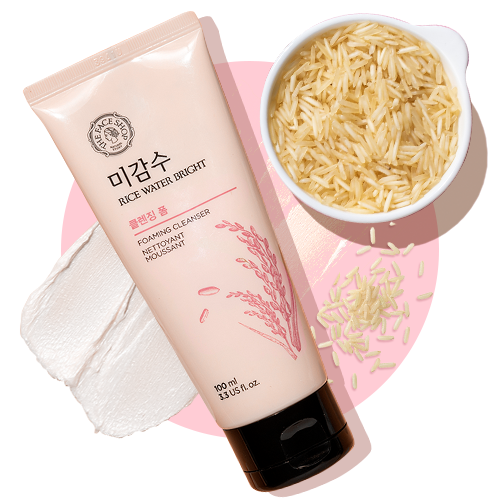
- Rice Water Bright Cleansing Foam: Enriched with rice water extract, this cleanser gently removes impurities while brightening dull skin. At around INR 650 for 100ml, it offers excellent value for daily use.
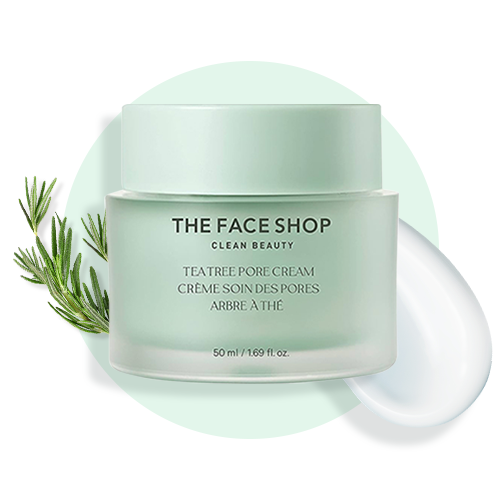
- Low pH formulas with tea tree oil: These help control oil and soothe acne-prone skin without stripping moisture.
- Foaming cleansers with amino acids and hyaluronic acid: Ideal for sensitive skin, these maintain hydration even in humid weather.
Always check for a low pH (around 5.5) and avoid harsh surfactants. Korean cleansers are widely available in India and suit a range of budgets.
How to Build a Monsoon-Proof Cleansing Routine
Follow this dermatologist-backed routine for clear, glowing skin all monsoon:
- Cleanse twice daily (morning and night) with a gentle, low-pH cleanser.
- Use lukewarm water to avoid shocking your skin.
- Pat dry with a clean towel - never rub.
- Follow with a lightweight, non-comedogenic moisturizer.
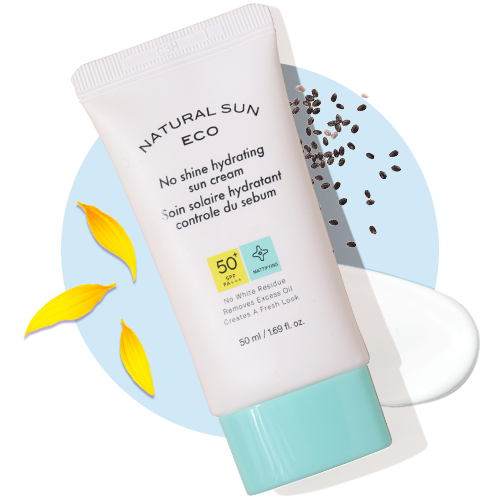
- Apply sunscreen even on cloudy days. Try NaturalSun Eco No Shine Hydrating Sun Cream for a matte finish.
Pro tip: Once or twice a week, use a hydrating mask like the Real Nature Rice Face Mask to boost radiance and calm irritation.
Comparing Cleansing Approaches: What Works Best for Indian Skin?
Should you double cleanse during monsoon? Is micellar water enough? Here’s a quick comparison:
- Double Cleansing: Effective for heavy makeup or sunscreen users, but choose gentle oil-based and water-based cleansers to avoid over-drying.
- Single Gentle Cleanser: Sufficient for most, especially if you have sensitive or acne-prone skin.
- Micellar Water: Good for quick refreshes, but may not remove deep-seated impurities from pollution.
Trade-off: While double cleansing can be thorough, it may not suit very sensitive skin during the humid monsoon. Stick to what feels comfortable and observe your skin’s response.
Budget-Friendly vs. Premium: What Should You Spend on a Cleanser?
Indian consumers often wonder if higher price means better results. The truth: You can find excellent cleansers at various price points. For example:
- Rice Water Bright Cleansing Foam: Affordable, effective, and suitable for most skin types.
- Premium Korean cleansers with advanced ingredients may cost INR 1,200–1,800, but often last 2–3 months with twice-daily use.
Tip: Look for value bundles or offers like 2 at 799 to maximize savings without compromising on quality.
Mini-Checklist: Choosing the Right Monsoon Cleanser for You
- Check for low-pH (5–6) on the label
- Avoid SLS, SLES, and alcohol
- Look for soothing ingredients: centella, green tea, panthenol
- Test with a patch before full use
- Monitor your skin for 2 weeks after switching
Remember: What works for a friend may not work for you. Listen to your skin and adjust as needed.
When to See a Dermatologist
If you experience persistent breakouts, severe irritation, or sudden changes in your skin during monsoon, consult a board-certified dermatologist. Some conditions, like fungal acne or eczema, may require prescription treatments. Early intervention can prevent long-term damage and help you find a routine that truly works for Indian skin.
FAQ
Why do I get more breakouts during the monsoon in India?
High humidity and pollution during the Indian monsoon increase oil production and trap impurities, leading to clogged pores and more frequent breakouts.
Are foaming cleansers bad for sensitive skin in monsoon?
Many foaming cleansers contain harsh surfactants like SLS or SLES, which can irritate sensitive skin. Choose gentle, low-pH formulas with mild foaming agents instead.
How often should I wash my face during monsoon?
Dermatologists recommend cleansing twice daily—morning and night. Over-cleansing can strip your skin barrier and worsen oiliness or irritation.
Can I use the same cleanser year-round in India?
You may need to switch cleansers based on the season. During monsoon, opt for gentle, hydrating cleansers that support your skin barrier in humid conditions.
What is the best way to test if a new cleanser suits my skin?
Patch test the cleanser on a small area of your jawline for 2–3 days. If no irritation occurs, gradually introduce it into your routine and monitor for changes.