
Quick Summary
Confused about cleansers this monsoon? Discover how to choose a gentle, pH-balanced K-Beauty cleanser for Indian skin, avoid common mistakes, and achieve glass skin without irritation or dryness.
Monsoon brings relief from the heat, but also a surge in humidity, sweat, and skin woes. If you’re still reaching for harsh, foaming cleansers, you might be sabotaging your journey to luminous, glass-like skin. This guide will help you decode the right K-Beauty cleansers for Indian skin during monsoon, so you can cleanse effectively without stripping your skin barrier.
Why Monsoon Demands a Different Cleansing Approach
India’s monsoon humidity increases sebum production and sweat, often leading to clogged pores and breakouts. Many believe that stronger, foaming cleansers are the answer. However, dermatologists warn that over-cleansing or using harsh surfactants can disrupt your skin barrier, causing more oiliness, sensitivity, or even fungal acne. Instead, a gentle, pH-balanced cleanser is key to maintaining healthy, hydrated skin that glows.
- Fact: Studies show that skin barrier disruption is more common in humid climates when harsh cleansers are used (NCBI).
- India-specific tip: Monsoon air pollution and sweat mix can worsen dullness and breakouts if not cleansed gently but thoroughly.
Myth vs. Fact: Do You Need a Stronger Cleanser in Monsoon?
Myth: "More foam means cleaner skin." Fact: Excessive foaming agents (like SLS) can strip natural oils, making your skin produce even more oil to compensate. This is especially problematic for Indian skin types prone to sensitivity or pigmentation.
- Instead, look for sulfate-free, low-pH cleansers that remove dirt and sunscreen without leaving your skin tight.
- Gentle cleansing supports the glass skin goal: clear, hydrated, and luminous skin.
What Is 'Glass Skin' and Why Does Cleansing Matter?
'Glass skin' is a K-Beauty term for skin that looks poreless, luminous, and hydrated. The foundation of this look is a healthy skin barrier, which starts with the right cleanser. In the Indian monsoon, improper cleansing can lead to dullness, breakouts, and uneven texture - making glass skin nearly impossible to achieve.
-
Key cleansing goals for glass skin:
- Remove sweat, sebum, and pollutants without over-drying
- Maintain optimal hydration
- Support the skin’s natural pH (around 5.5)
How to Choose a K-Beauty Cleanser for Indian Skin in Monsoon
When shopping for a cleanser, consider these factors:
- pH Level: Choose a cleanser with a pH of 5-6 to match your skin’s natural acidity. This helps prevent irritation and supports barrier health.
- Texture: Gel and cream cleansers are ideal for humid weather. They cleanse effectively without stripping.
- Ingredients: Look for hydrating and soothing ingredients like rice water, hyaluronic acid, glycerin, and Centella Asiatica (Cica). Avoid harsh sulfates and alcohols.
- Value for Money: Many K-Beauty cleansers offer 100-150 ml sizes for INR 500-1200, making them accessible for most Indian skincare budgets.
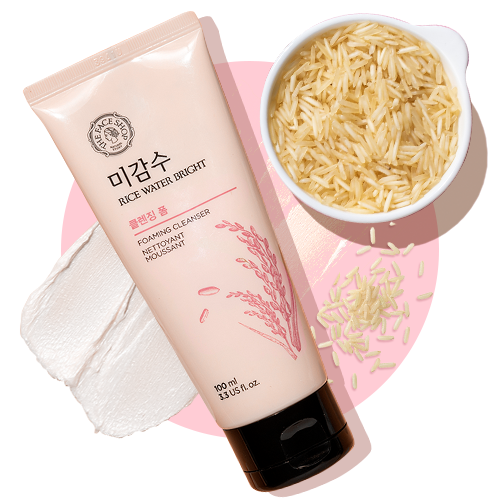
For example, The Face Shop Rice Water Bright Cleansing Foam is a gentle, pH-balanced option enriched with rice water to brighten and hydrate, making it a top pick for monsoon cleansing.
Ingredient Breakdown: What to Seek (and Avoid) for Monsoon Cleansing
-
Seek:
- Rice Water: Brightens and soothes, ideal for Indian skin tones.
- Hyaluronic Acid & Glycerin: Hydrate without heaviness.
- Centella Asiatica (Cica): Calms irritation and supports barrier repair.
- Niacinamide: Controls oil and evens tone.
-
Avoid:
- Harsh sulfates (SLS/SLES)
- High alcohol content
- Strong fragrances (can irritate sensitive skin in humidity)
Did you know? Many Indian consumers see better results with cleansers that combine brightening and hydrating ingredients, rather than just oil control.
Step-by-Step: The Monsoon Cleansing Routine for Glass Skin
- Double Cleanse (PM): Start with an oil-based cleanser to remove sunscreen and pollution, followed by a gentle foaming or gel cleanser. This is especially useful if you commute in Indian cities or wear makeup.
- Single Cleanse (AM): Use a gentle cleanser to remove overnight sweat and sebum.
- Water Temperature: Use cool or lukewarm water to avoid stripping natural oils.
- Massage Gently: Use fingertips in circular motions for 30-60 seconds. Avoid scrubbing or using rough towels.
- Pat Dry: Gently pat with a soft towel. Do not rub.
Pro tip: After cleansing, follow up with a hydrating toner from our Hydrating Toner collection to lock in moisture.
Tailoring Your Cleanser to Your Indian Skin Type
- Oily/Acne-Prone: Look for gel cleansers with niacinamide or salicylic acid. Avoid over-cleansing, which can trigger more oil production.
- Dry/Sensitive: Cream or milk cleansers with rice water or Cica are ideal. Avoid foaming cleansers with harsh surfactants.
- Combination: Use a gentle foaming cleanser and focus on the T-zone. Hydrate with a toner post-cleansing.
- Mature Skin: Choose hydrating cleansers with antioxidants and avoid stripping agents.
In a recent survey of Indian skincare users, 68% reported fewer breakouts and less irritation after switching to a gentle, pH-balanced cleanser during monsoon.
Comparing Approaches: Gentle vs. Harsh Cleansing in Indian Monsoon
| Approach | Pros | Cons |
|---|---|---|
| Gentle, pH-balanced cleanser | Maintains skin barrier, reduces irritation, supports glass skin | May require double cleansing for heavy makeup or sunscreen |
| Harsh, foaming cleanser | Removes oil quickly | Can strip skin, increase sensitivity, worsen oiliness over time |
For most Indian skin types, the gentle approach wins for long-term clarity and glow.
Smart Shopping: How to Read Cleanser Labels in India
- Check for pH: Look for “pH balanced” or “low pH” on the label.
- Scan the ingredient list: The first five ingredients matter most. Prioritize rice water, glycerin, or Cica.
- Size and price: Compare INR per ml to get the best value. For example, The Face Shop Rice Water Bright Cleansing Foam offers 150 ml for a competitive price, lasting 2-3 months with daily use.
- Look for offers: Explore our POS B2G1 collection for value bundles during monsoon sales.
Limitations and What to Expect
No cleanser alone can guarantee glass skin. Results depend on your overall routine, diet, and consistency. If you have persistent acne or irritation, consult a dermatologist. Always patch test new products, especially if you have sensitive skin or allergies.
Conclusion: Your Monsoon Cleanser Checklist for Glass Skin
- Choose a gentle, pH-balanced K-Beauty cleanser
- Prioritize hydrating and soothing ingredients
- Tailor your routine to your skin type
- Double cleanse at night, single cleanse in the morning
- Follow up with toner and moisturizer for best results
Ready to upgrade your monsoon cleansing routine? Explore our bestsellers like The Face Shop Rice Water Bright Cleansing Foam and discover more in our Hydrating Toner collection.
FAQ
Should I cleanse more often during the Indian monsoon?
No, over-cleansing can damage your skin barrier. Stick to twice daily—morning and night—using a gentle, pH-balanced cleanser.
Are foaming cleansers bad for Indian skin in humid weather?
Not all foaming cleansers are bad, but avoid those with harsh sulfates. Opt for sulfate-free, low-pH formulas that cleanse without stripping.
What ingredients should I look for in a monsoon cleanser?
Choose cleansers with rice water, hyaluronic acid, glycerin, Centella Asiatica (Cica), or niacinamide for hydration and barrier support.
How do I know if a cleanser is pH balanced?
Look for 'pH balanced' or 'low pH' on the label, or check if the pH is between 5 and 6. This information is often available on product websites.
Can I use the same cleanser year-round?
You may need to adjust your cleanser seasonally. During monsoon, switch to a gentler, hydrating formula to address increased humidity and sweat.