
Quick Summary
Wondering why your monsoon cleanser isn’t delivering that coveted glass skin glow? Dermatologists explain the science, reveal common mistakes, and share K-Beauty fixes for breakouts—tailored for Indian skin and humidity.
Monsoon in India brings relief from the heat, but it also triggers a wave of skin concerns - especially for those chasing the luminous 'glass skin' look. If your cleanser isn’t delivering that clear, dewy finish (and breakouts are still popping up), you’re not alone. We asked top dermatologists and K-Beauty experts to reveal why, and how to fix it - using evidence-led, India-specific advice.
1. Monsoon Skin: Why Cleansing Gets Tricky in Indian Humidity
High humidity, sweat, and pollution combine to create a unique challenge for Indian skin during the monsoon. Dermatologists note that excess oil, clogged pores, and increased breakouts are common, but over-cleansing or using harsh products can strip the skin barrier, leading to dullness and sensitivity.
- Fact: A 2023 survey by the Indian Association of Dermatologists found 68% of urban Indians reported more breakouts and dullness during monsoon months.
- Tip: The goal is to remove sweat, grime, and excess sebum without disrupting your skin’s natural moisture barrier.
2. The Glass Skin Myth: Why Most Cleansers Fall Short
‘Glass skin’ - the K-Beauty ideal of smooth, poreless, luminous skin - starts with the right cleanser. However, many Indian consumers use foaming or soap-based cleansers that promise a squeaky-clean feel but leave skin tight and dehydrated. Dermatologists caution that this stripped feeling is a sign of barrier damage, not deep cleansing.
- Soap-based cleansers (often with SLS/SLES) can worsen dehydration and trigger rebound oiliness.
- Alcohol-heavy formulas may temporarily mattify but increase sensitivity over time.
Counterintuitive insight: The best cleansers for glass skin are often gentle, low pH, and hydrating - not harsh or drying.
3. Dermatologist Q&A: What Should You Look for in a Monsoon Cleanser?
Q: What ingredients are best for cleansing oily, breakout-prone skin in Indian humidity?
A: Dermatologists recommend looking for:
- Low pH formulas (around 5.5) to maintain the skin’s acid mantle.
- Hydrating agents like glycerin and rice water to prevent dehydration.
- Mild exfoliants (like BHA or PHA) for gentle deep cleansing without irritation.
- Non-comedogenic and sulfate-free options to avoid clogging pores or stripping the skin.
What to avoid: High-foam, alcohol-based, or heavily fragranced cleansers, which can worsen breakouts and dullness.
4. K-Beauty’s Double Cleansing: Is It Right for Indian Monsoon Skin?
Double cleansing - using an oil-based cleanser followed by a gentle water-based one - is a K-Beauty staple. But is it necessary in India’s monsoon?
- For heavy sunscreen or makeup users: Double cleansing helps remove stubborn residue and pollution particles.
- For minimal makeup: A single, well-formulated low pH cleanser is usually enough.
Expert tip: If you have oily or acne-prone skin, choose lightweight, non-comedogenic cleansing oils and always follow with a gentle foaming cleanser.
5. Ingredient Spotlight: Rice Water, Ceramides, and Gentle Acids
Indian dermatologists increasingly recommend cleansers with rice water, ceramides, and gentle acids for monsoon skin. Here’s why:
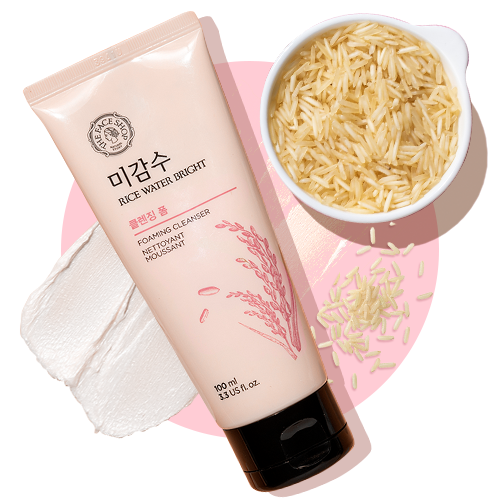
- Rice water: Brightens and hydrates, supporting the glass skin glow. Products like Rice Water Bright Cleansing Foam are popular for their gentle yet effective cleansing.
- Ceramides: Strengthen the skin barrier, crucial for preventing dehydration in humid weather. Pairing a cleanser with a ceramide-rich emulsion, such as the Ceramide & Rice Lightweight Emulsion, can further boost results.
- Gentle acids (BHA, PHA): Help clear pores and control oil without over-drying.
India-specific note: These ingredients are well-tolerated across diverse Indian skin tones and are available in INR-friendly price points.
6. How to Choose: Comparing K-Beauty Cleansers for Monsoon Breakouts
Not all cleansers are created equal. Here’s how top K-Beauty cleansers stack up for Indian monsoon skin:
| Product | Key Ingredients | Best For | MRP (INR) |
|---|---|---|---|
| Rice Water Bright Cleansing Foam | Rice water, moringa oil | Brightening, gentle cleansing | 399–650 |
| Low pH Gel Cleanser | Tea tree, BHA | Oily, acne-prone skin | 700–1200 |
| Hydrating Gel Cleanser | Glycerin, hyaluronic acid | Dehydrated, sensitive skin | 500–1100 |
Trade-off: Higher-priced cleansers may offer more advanced actives, but affordable options like Rice Water Bright Cleansing Foam deliver excellent value for daily use.
7. Routine Builder: The Complete Monsoon Glass Skin Regimen
For best results, your cleanser should be part of a holistic routine. Here’s a dermatologist-approved, India-friendly K-Beauty regimen:
- Cleanse: Use a gentle, low pH cleanser morning and night.
- Tone: Apply a hydrating toner (see Hydrating Toner Collection).
- Treat: Use lightweight serums with niacinamide or hyaluronic acid.
- Moisturize: Lock in hydration with a barrier-repair emulsion (try Ceramide & Rice Lightweight Emulsion).
- Protect: Always finish with a broad-spectrum sunscreen, even on cloudy days.
Checklist for Indian skin:
- Choose INR-friendly products available from trusted stores.
- Patch test new actives, especially if you have sensitive or reactive skin.
- Adjust frequency based on humidity and your skin’s needs.
8. Common Mistakes: Why Your Cleanser Isn’t Working (and How to Fix It)
- Over-cleansing: Washing more than twice a day can strip natural oils and worsen breakouts.
- Ignoring pH: High-pH cleansers disrupt the skin barrier, leading to dullness and irritation.
- Skipping moisturizer: Even oily skin needs hydration, especially after cleansing.
- Not adapting to weather: Switch to lighter, hydrating formulas during monsoon for best results.
Pro tip: If your skin feels tight or looks dull after cleansing, it’s time to switch to a gentler, hydrating formula.
9. Real Stories: Indian Users Share Their Monsoon Cleansing Wins
“I always thought foaming cleansers were best for my oily skin, but my dermatologist suggested a low pH rice water cleanser. Within weeks, my skin felt softer and breakouts reduced - even in peak humidity!” – Priya, Mumbai
“Switching to a K-Beauty routine with gentle cleansing and a ceramide emulsion made a huge difference. My skin looks brighter and less congested.” – Rahul, Bengaluru
These testimonials echo what experts recommend: gentle, hydrating cleansing is the foundation for glass skin - even in India’s challenging monsoon climate.
10. The Bottom Line: Your Path to Monsoon Glass Skin
Achieving glass skin during the Indian monsoon is possible with the right cleansing strategy. Prioritize gentle, low pH cleansers with hydrating and barrier-supporting ingredients. Avoid harsh, stripping formulas, and remember that consistency and adaptation to local climate are key.
Explore our Best Korean Cleansers collection for dermatologist-approved options tailored for Indian skin and weather.
FAQ
Why does my skin feel tight after using my monsoon cleanser?
A tight feeling usually means your cleanser is too harsh or has a high pH, which can strip your skin’s natural barrier. Switch to a gentle, low pH cleanser with hydrating ingredients like rice water or glycerin.
Can I use the same cleanser year-round in India?
Not always. Monsoon humidity increases oil and sweat, so you may need a lighter, hydrating cleanser during these months. In winter, a richer formula may be better for dry skin.
Is double cleansing necessary for glass skin during monsoon?
Double cleansing is helpful if you wear heavy sunscreen or makeup. For minimal makeup, a single gentle cleanser is usually enough for most Indian skin types.
Are K-Beauty cleansers suitable for Indian skin tones and climates?
Yes. Many K-Beauty cleansers are formulated to be gentle, hydrating, and suitable for diverse skin tones. Look for INR-friendly options with rice water, ceramides, or gentle acids.
How do I know if a cleanser is low pH?
Check the product label or description—look for a pH around 5.5. Many K-Beauty and dermatologist-recommended cleansers highlight their low pH on packaging or online listings.