
Quick Summary
Struggling with sticky, breakout-prone skin this monsoon? Dermatologists reveal why your cleanser may be failing and the serum secrets for a fresh, glowing complexion in humid Indian weather.
Monsoon in India brings relief from the heat, but for your skin, it often means a surge in oiliness, breakouts, and that dreaded sticky feeling. If your current cleanser leaves you greasy by noon or your serum feels heavy, you’re not alone. We asked leading dermatologists to break down why your monsoon skincare routine might be failing - and how to fix it for a clear, glowing complexion all season long.
Why Monsoon Weather Changes Your Skin (and Your Routine)
High humidity during the Indian monsoon increases sweat and sebum production. This creates a breeding ground for bacteria, leading to more frequent breakouts and clogged pores. According to Dr. Priya Sharma, a Mumbai-based dermatologist, “Even those with normal skin can experience sudden oiliness and sensitivity during monsoon.”
- Humidity traps sweat and dirt, making regular cleansing crucial.
- Air pollution and rainwater can introduce irritants, especially in urban areas.
- Skin barrier function is often compromised, increasing risk of irritation.
Tip: Adjust your routine as soon as the rains start - don’t wait for breakouts to appear.
Common Monsoon Cleanser Mistakes (and How to Avoid Them)
Many Indians stick to their winter or summer face wash, but monsoon demands a different approach. Here’s what dermatologists see most often:
- Using harsh, foaming cleansers that strip natural oils, triggering rebound oiliness.
- Skipping cleansing after coming home, allowing pollutants to linger.
- Not switching to a formula suitable for increased humidity.
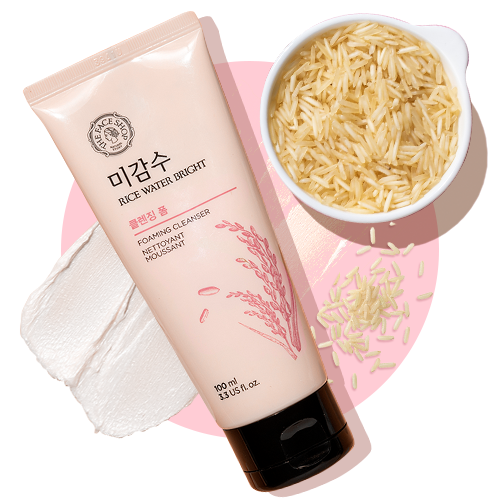
Dr. Sharma recommends gentle, sulfate-free cleansers that remove excess oil without over-drying. For example, Rice Water Bright Cleansing Foam offers a balanced cleanse ideal for Indian monsoon conditions.
How to Choose the Best Cleanser for Monsoon in India
Look for these features when shopping for your monsoon cleanser:
- Soap-free and pH-balanced: Prevents irritation and supports the skin barrier.
- Non-comedogenic: Won’t clog pores, crucial for humid climates.
- Contains hydrating ingredients: Glycerin, rice water, or hyaluronic acid help retain moisture without heaviness.
Value tip: A quality cleanser like Rice Water Bright Cleansing Foam lasts 2-3 months and costs under INR 1000, making it a smart investment for the season.
Serum Secrets: Why Your Skin Still Feels Sticky
Many believe serums are too heavy for monsoon, but the right formula can transform your skin. Dermatologists recommend:
- Lightweight, water-based serums with niacinamide or hyaluronic acid for hydration without stickiness.
- Avoiding oils and silicones that can trap sweat and worsen congestion.
- Using serums after cleansing, before moisturizer, for best absorption.
Counterintuitive fact: Skipping serum can actually make your skin oilier, as dehydrated skin produces more sebum to compensate.
Monsoon Breakouts: What Indian Dermatologists Really Recommend
Breakouts are more common in monsoon due to bacteria thriving in humid conditions. Dr. Sharma suggests:
- Look for cleansers with gentle exfoliants like rice extract to prevent clogged pores.
- Spot-treat with serums containing niacinamide or centella asiatica for calming inflammation.
- Use a hydrating toner after cleansing to balance skin (see our Hydrating Toner collection).
Quick fix: Keep blotting papers or a clean cotton handkerchief handy for midday oil control - especially in cities like Mumbai or Kolkata where humidity can exceed 90%.
Step-by-Step Monsoon Skincare Routine for Indian Weather
Here’s a dermatologist-approved routine for oily and combination skin during monsoon:
- Cleanse: Use a gentle, foaming cleanser like Rice Water Bright Cleansing Foam morning and night.
- Tone: Apply a hydrating toner to prep skin and minimize pores.
- Serum: Choose a lightweight, non-sticky serum with niacinamide or hyaluronic acid.
- Moisturize: Opt for gel-based moisturizers that absorb quickly.
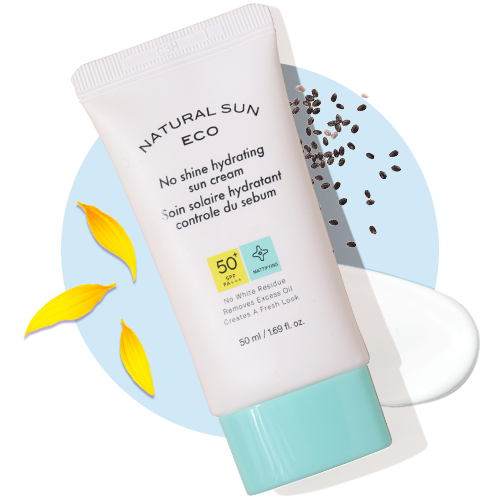
- Sun protection: Don’t skip sunscreen, even on cloudy days.
Mini-checklist for busy mornings:
- Keep travel-sized cleanser and toner in your bag for post-commute refresh.
- Reapply sunscreen every 3-4 hours if outdoors.
Ingredient Spotlight: What Works (and What to Avoid) in Monsoon
Indian dermatologists highlight these ingredients for monsoon skincare:
- Glycerin and hyaluronic acid: Hydrate without heaviness.
- Rice water extract: Brightens and gently exfoliates.
- Niacinamide: Controls oil and soothes redness.
Avoid: Alcohol-based toners, heavy oils, and harsh scrubs, which can irritate and worsen breakouts in humid weather.
Myth-Busting: Oily Skin Still Needs Moisture in Monsoon
One of the biggest myths is that oily skin doesn’t need moisturizer during monsoon. In reality, skipping moisturizer can trigger more oil production. Choose gel-based or water-based formulas that hydrate without adding shine.
Practical example: Many Indian consumers find that using a light moisturizer after a serum keeps skin balanced and less prone to midday shine, especially in cities like Chennai or Bengaluru.
How to Shop Smart: INR Value and Product Longevity
When evaluating cleansers and serums, consider:
- Cost per use: A 150 ml cleanser typically lasts 2-3 months, making INR 800-1000 a reasonable spend for quality.
- Multi-tasking products: Look for serums that address both hydration and oil control to simplify your routine.
- Trusted sources: Buy from reputable stores like The Face Shop to ensure authenticity and quality.
Remember: Investing in the right products now can save you from expensive treatments for post-monsoon skin issues later.
Final Thoughts: Customizing Your Routine for Indian Monsoon
There’s no one-size-fits-all solution. Track how your skin responds and adjust products as needed. If you experience persistent breakouts or irritation, consult a dermatologist for tailored advice.
Explore our Masksheets collection for weekly deep cleansing and hydration - ideal for monsoon self-care.
FAQ
Should I wash my face more often during monsoon?
Twice daily cleansing is usually enough. Over-washing can strip natural oils and worsen oiliness.
Can I skip moisturizer if my skin feels oily?
No. Use a lightweight, gel-based moisturizer to maintain hydration without clogging pores.
What’s the best serum ingredient for monsoon glow?
Niacinamide and hyaluronic acid are top picks for hydration and oil control in humid weather.
Are sheet masks safe to use in monsoon?
Yes, as long as you choose non-comedogenic formulas and avoid leaving them on too long.
How do I prevent fungal acne during monsoon?
Keep skin dry, avoid heavy creams, and use gentle, pH-balanced cleansers to reduce risk.