
Quick Summary
Is your monsoon cleansing routine sabotaging your glass skin goals? Dermatologists reveal how common mistakes can damage your skin barrier and share expert, India-specific tips for a healthy, radiant glow.
Monsoon in India brings relief from heat - but also a surge in skin concerns. If you’re chasing the coveted ‘glass skin’ look, your cleansing routine could be the make-or-break factor. We asked leading dermatologists to answer the most common questions about monsoon cleansing, skin barrier health, and how to adapt your routine for India’s unique climate.
1. Why Does Monsoon Weather Challenge Your Skin Barrier?
India’s monsoon means high humidity, unpredictable showers, and a spike in pollution. Dermatologists note that these factors can disrupt your skin’s protective barrier, leading to breakouts, irritation, and dullness. Excess sweat and oil mix with environmental grime, making cleansing crucial - but over-cleansing can strip away essential lipids.
- Fact: Studies show that skin barrier function is more easily compromised in humid, polluted environments like Mumbai or Kolkata during monsoon.
- Tip: Watch for signs of barrier damage: tightness, stinging, or sudden sensitivity after washing.
2. Are You Over-Cleansing? The Hidden Risk for ‘Glass Skin’ Seekers
Many Indians believe that washing more often keeps skin clear in the sticky monsoon. However, dermatologists warn that cleansing more than twice daily can erode your skin’s natural defenses. This is especially true if you’re using harsh foaming cleansers or scrubs.
- Stick to cleansing twice a day - morning and night.
- Choose a gentle, pH-balanced cleanser to avoid stripping essential moisture.
- For heavy makeup or sunscreen, consider a double cleanse with a lightweight cleansing oil first.
Counterintuitive fact: Over-washing can actually increase oiliness as your skin tries to compensate for lost moisture.
3. What Ingredients Should You Avoid in Monsoon Cleansers?
Not all cleansers are created equal for Indian monsoon. Dermatologists recommend steering clear of formulas with high alcohol content, strong sulfates, or abrasive particles. These can disrupt your skin barrier and trigger breakouts or redness.
- Skip: Harsh scrubs, strong astringents, and cleansers with artificial fragrance.
- Look for: Mild surfactants, hydrating ingredients like rice water, and soothing botanicals.
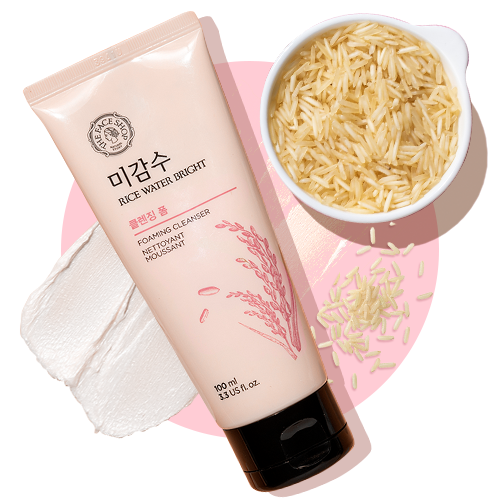
For example, Rice Water Bright Cleansing Foam from The Face Shop uses rice extract to gently cleanse without stripping, making it ideal for humid Indian weather.
4. How to Choose the Right Cleanser for Your Skin Type During Monsoon
Indian skin comes in a spectrum of tones and types - what works for one may not suit another, especially in monsoon. Dermatologists suggest:
- Oily/Acne-Prone: Opt for gel-based, non-comedogenic cleansers with ingredients like green tea or cica.
- Dry/Sensitive: Use creamy, hydrating cleansers with ceramides or rice water.
- Combination: Alternate between a gentle foam and a lightweight oil cleanser.
Always patch-test new products, as humidity can make skin more reactive. For a gentle, all-skin-type option, try Rice Water Bright Light Cleansing Oil for effective yet non-stripping cleansing.
5. Double Cleansing: Is It Necessary in Indian Monsoon?
K-Beauty routines popularized double cleansing for ‘glass skin’, but is it practical in India’s monsoon? Dermatologists say it depends:
- Yes, if: You wear waterproof sunscreen, heavy makeup, or live in a high-pollution city.
- No, if: You have very dry or sensitive skin - stick to a single, gentle cleanse.
Double cleansing can help prevent clogged pores and dullness, but always follow with a hydrating step to replenish the barrier. For a simple routine, pair Rice Water Bright Light Cleansing Oil with a gentle foam.
6. How Much Should You Spend? INR Value Guide for Monsoon Cleansers
Indian consumers often wonder if pricier cleansers deliver better results. Dermatologists emphasize that efficacy isn’t always tied to cost. Look for:
- Under ₹500: Basic gel or foam cleansers with minimal actives.
- ₹500–₹1200: Formulas with added hydrating or barrier-repair ingredients, like rice water or ceramides.
- Above ₹1200: Specialty K-Beauty cleansers with advanced actives or unique textures.
For most Indian skin types, a mid-range cleanser like Rice Water Bright Cleansing Foam offers excellent value and gentle efficacy.
7. Expert Tips: Protecting Your Skin Barrier for ‘Glass Skin’ in Monsoon
Beyond cleansing, dermatologists recommend these India-specific strategies:
- Always follow cleansing with a lightweight, barrier-repairing moisturizer. Try Ceramide & Rice Lightweight Emulsion for non-greasy hydration.
- Limit exfoliation to once a week, using mild acids or enzyme-based products.
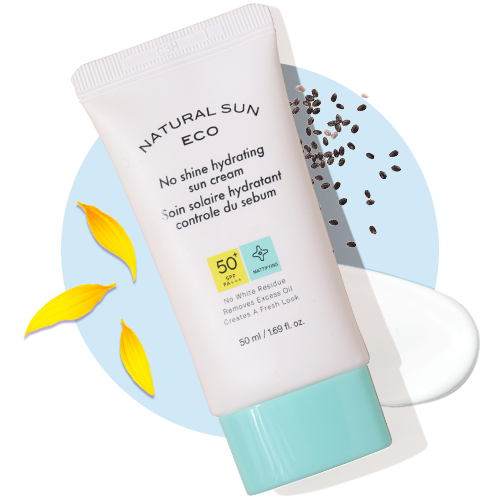
- Never skip sunscreen, even on cloudy days - UV rays penetrate through clouds and windows.
- Watch for fungal acne, which can flare up in humid weather. Avoid heavy, occlusive creams.
Checklist for Monsoon Barrier Care:
- Gentle, pH-balanced cleanser
- Hydrating, non-comedogenic moisturizer
- Lightweight sunscreen
- Minimal, targeted actives
8. Realistic ‘Glass Skin’ Goals: What Indian Dermatologists Want You to Know
‘Glass skin’ - the ultra-smooth, luminous look popularized by K-Beauty - is achievable, but with realistic expectations. Indian dermatologists caution:
- Genetics, climate, and lifestyle all play a role. Monsoon humidity can make skin appear shinier, but not always glassy.
- Focus on a healthy, resilient barrier rather than chasing perfection.
- Consistency and gentle care matter more than expensive products or trends.
For a simple, effective routine, explore The Face Shop’s curated cleansers and barrier-repairing moisturizers.
FAQ
How often should I cleanse my face during the Indian monsoon?
Twice daily—morning and night—is ideal. Over-cleansing can damage your skin barrier, especially in humid weather.
Can I use the same cleanser year-round in India?
Not always. You may need a lighter, more hydrating cleanser in monsoon and a richer one in winter. Adjust based on your skin’s needs.
Is double cleansing necessary if I don’t wear makeup?
Not usually. A single gentle cleanse is enough unless you use heavy sunscreen or live in a highly polluted area.
What’s the best cleanser for sensitive Indian skin in monsoon?
Look for fragrance-free, pH-balanced cleansers with soothing ingredients like rice water or ceramides.
How do I know if my skin barrier is damaged?
Signs include redness, stinging, tightness, or sudden breakouts after cleansing. Switch to a gentler routine and consult a dermatologist if symptoms persist.