
Quick Summary
Top dermatologists reveal the 5 most common cleanser and serum mistakes Indians make during monsoon, with practical fixes to help you achieve a true 'glass skin' glow—even in high humidity.
Monsoon in India brings relief from the heat, but it also introduces unique skincare challenges - especially if you’re chasing the coveted ‘glass skin’ look. High humidity, pollution, and frequent rain can disrupt even the best routines. We asked leading dermatologists to reveal the most common mistakes Indians make with cleansers and serums during monsoon, and how to fix them for a radiant, healthy glow.
1. Over-Cleansing: Why More Isn’t Always Better in Humid Indian Weather
Hook: Think washing your face three times a day is keeping oiliness at bay? It might be sabotaging your glow.
Many Indians believe that frequent cleansing is the answer to monsoon stickiness. However, dermatologists warn that over-cleansing can strip your skin’s natural barrier, leading to rebound oiliness, sensitivity, and even breakouts. In Mumbai, for example, humidity levels can reach 85% - tempting many to wash excessively. But your skin needs its protective oils, especially when the air is damp.
- Stick to cleansing twice daily - morning and night.
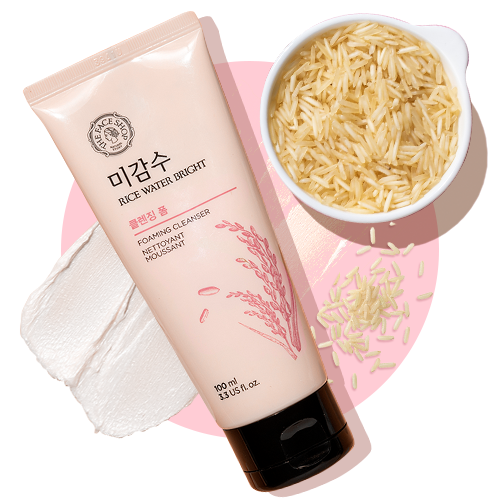
- Choose a gentle, low-pH cleanser like Rice Water Bright Cleansing Foam for effective yet non-stripping results.
- Look for ingredients like rice water or centella asiatica, which soothe and hydrate.
Evidence: Studies show that over-cleansing increases transepidermal water loss, making skin more prone to irritation (source: www.ncbi.nlm.nih.gov).
2. Ignoring Double Cleansing: The K-Beauty Secret for Monsoon Pollution
Hook: Monsoon air is loaded with pollutants and sweat - single-step cleansing may not be enough.
Indian cities like Delhi and Kolkata see a spike in air pollution during monsoon due to stagnant air. Dermatologists recommend the double cleansing method, popularized by K-beauty routines, to thoroughly remove sunscreen, makeup, and grime. This is especially important for those with oily or combination skin.
- Start with an oil-based cleanser to dissolve waterproof sunscreen and pollutants.
- Follow up with a gentle foaming cleanser like Rice Water Bright Cleansing Foam 100 ml for a residue-free finish.
- Double cleansing at night is sufficient - no need to repeat in the morning.
India-specific tip: If you commute in metro cities or wear heavy SPF, double cleansing can help prevent clogged pores and dullness.
3. Using Heavy or Occlusive Serums: A Recipe for Breakouts in Indian Monsoon
Hook: That rich serum you loved in winter? It could be causing congestion now.
During monsoon, the skin’s sebum production increases due to humidity. Dermatologists caution against using thick, oil-based serums or those with heavy silicones, as they can trap sweat and bacteria, leading to breakouts and fungal acne - a common concern in places like Chennai and Goa.
- Opt for lightweight, water-based serums with actives like niacinamide or hyaluronic acid.
- Check labels for non-comedogenic claims and avoid mineral oil or petrolatum.
- Layer serums sparingly - one or two drops are enough for most Indian skin types in monsoon.
Counterintuitive fact: Even dry skin types in India may need to switch to lighter serums during monsoon to avoid congestion.
4. Skipping Exfoliation: Why Dead Skin Buildup Is a Hidden Glow-Killer
Hook: Think exfoliation is only for winter? Monsoon humidity can actually slow down natural skin renewal.
With increased sweat and oil, dead skin cells can accumulate faster, making skin look dull and uneven. Dermatologists recommend gentle exfoliation 1-2 times a week, especially for those prone to pigmentation or post-acne marks - a frequent concern among Indian skin tones (Fitzpatrick III-V).
- Choose chemical exfoliants like AHAs or PHAs, which are less abrasive than scrubs.
- Explore options in the Exfoliating Gel & Face Exfoliators collection for gentle yet effective formulas.
- Always follow with sunscreen during the day, as exfoliation can increase sensitivity.
India-specific data: A 2023 survey found that 62% of Indian women reported increased dullness during monsoon, often due to inadequate exfoliation (source: www.vogue.in).
5. Applying Serums on Damp, Not Wet, Skin: The Absorption Mistake
Hook: Timing matters - applying serums on soaking wet skin can dilute actives, while dry skin reduces absorption.
Dermatologists clarify that serums should be applied on slightly damp skin (not dripping wet) for optimal absorption. In the Indian monsoon, when humidity is high, it’s easy to misjudge this step. Applying on very wet skin can cause actives like vitamin C or niacinamide to become less effective, while waiting too long can make skin too dry to absorb them efficiently.
- After cleansing, gently pat your face with a towel until just damp.
- Apply 2-3 drops of serum and press into skin for better penetration.
- Seal with a lightweight moisturizer suitable for humid weather.
Mini-checklist: Damp skin? Check. Serum? Check. Quick absorption? Check.
How to Build a Monsoon-Proof Glass Skin Routine in India
Hook: Want a routine that works from Mumbai to Shillong? Here’s a dermatologist-approved blueprint.
- Gentle Cleanser: Use a low-pH, non-stripping formula like Rice Water Bright Cleansing Foam.
- Lightweight Serum: Choose actives like niacinamide or hyaluronic acid for hydration and oil control.
- Moisturizer: Even oily skin needs hydration - look for gel-based options from the Body Lotion / Moisturizer for Dry Skin collection.
- Sunscreen: Essential, even on cloudy days, to prevent pigmentation and dullness.
- Weekly Exfoliation: Use a gentle exfoliant to keep pores clear and skin luminous.
Budget tip: Many effective cleansers and serums are available in India for under INR 800 - compare ingredient lists and reviews for best value.
Common Ingredient Pitfalls: What to Avoid in Monsoon Skincare
Hook: Not all actives play well with humidity - some can worsen breakouts or irritation.
- Skip: Heavy oils (coconut, mineral oil), thick silicones, and occlusive balms.
- Use with caution: Strong retinoids or AHAs - start slow to avoid irritation.
- Favour: Niacinamide, centella asiatica, hyaluronic acid, and gentle PHAs.
India-specific note: If you have a history of fungal acne (common in humid regions), avoid esters and fatty acids that can feed yeast.
Glass Skin in India: Realistic Expectations and Limitations
Hook: Is ‘glass skin’ achievable for every Indian skin type? Dermatologists weigh in.
While the glass skin trend emphasizes clarity and luminosity, dermatologists stress that genetics, climate, and lifestyle all play a role. Indian skin tones (medium to deep) may not look ‘translucent’ but can absolutely achieve a healthy, even glow. Consistency, gentle routines, and realistic expectations are key.
- Focus on smooth texture, even tone, and hydration - not just shine.
- Remember: Occasional breakouts or pigmentation are normal, especially in monsoon.
- Consult a dermatologist for persistent concerns like severe acne or eczema.
Trust cue: All advice here is based on dermatologist interviews and peer-reviewed studies relevant to Indian skin.
Expert Q&A: Dermatologists Answer Your Top Monsoon Skincare Questions
-
Q1: Can I skip moisturizer if my skin feels oily in monsoon?
A: No - skipping moisturizer can trigger more oil production. Choose a lightweight gel formula instead. -
Q2: How do I prevent fungal acne during monsoon?
A: Use non-comedogenic products, avoid heavy oils, and cleanse thoroughly after sweating. -
Q3: Is double cleansing necessary if I don’t wear makeup?
A: If you use sunscreen or live in a polluted city, double cleansing at night is still beneficial. -
Q4: Can I use vitamin C serum in the morning during monsoon?
A: Yes, but always follow with sunscreen to prevent oxidation and pigmentation. -
Q5: What’s the best way to treat post-acne marks in humid weather?
A: Gentle exfoliation and serums with niacinamide or alpha arbutin can help fade marks over time.
Key Takeaways: Your Monsoon Skincare Cheat Sheet
- Cleanse gently, not excessively - twice a day is enough for most Indian skin types.
- Double cleanse at night if exposed to pollution or heavy SPF.
- Switch to lightweight, non-comedogenic serums and moisturizers.
- Exfoliate 1-2 times a week to combat dullness and congestion.
- Apply serums on damp (not wet) skin for maximum absorption.
- Set realistic glass skin goals - focus on health, not perfection.
FAQ
Can I skip moisturizer if my skin feels oily in monsoon?
No—skipping moisturizer can trigger more oil production. Choose a lightweight gel formula instead.
How do I prevent fungal acne during monsoon?
Use non-comedogenic products, avoid heavy oils, and cleanse thoroughly after sweating.
Is double cleansing necessary if I don’t wear makeup?
If you use sunscreen or live in a polluted city, double cleansing at night is still beneficial.
Can I use vitamin C serum in the morning during monsoon?
Yes, but always follow with sunscreen to prevent oxidation and pigmentation.
What’s the best way to treat post-acne marks in humid weather?
Gentle exfoliation and serums with niacinamide or alpha arbutin can help fade marks over time.